What Season Is May in China? Calendar and Regional Context
May is meteorological spring in China, but local weather ranges from cool northern conditions to…
Read More →Chinese winter solstice festival is a practical way to understand how the 24 Chinese solar terms connect seasonal change, traditional calendar wisdom, and everyday life.
Quick Answer: The Chinese Winter Solstice Festival, or Dongzhi, marks the shortest day of the year and the turning point toward longer daylight. In Chinese tradition it is tied to family reunion, warming foods, ancestor remembrance, and the 24 solar terms calendar.
| Chinese name | Dongzhi, meaning winter’s arrival. |
|---|---|
| Solar term role | The 22nd of the 24 solar terms and the winter solstice marker. |
| Typical date | Usually December 21 or December 22 in the Gregorian calendar. |
| Common foods | Tangyuan in many southern regions, dumplings in many northern regions, plus warming soups and family dishes. |
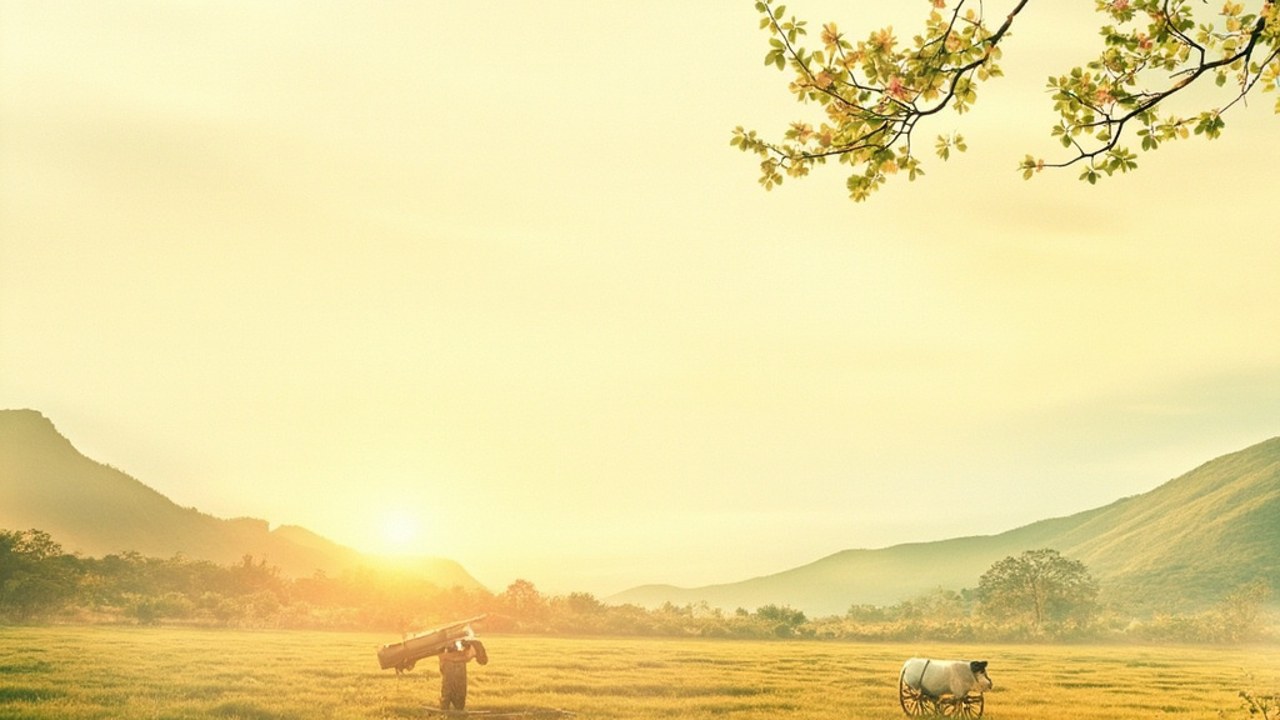
For over two millennia, the Chinese people have structured their agricultural, social, and cultural lives around the 24 solar terms—an ingenious system that divides the year into 24 distinct periods based on the sun’s apparent path across the sky. Each term reflects a unique natural rhythm, from the first budding of spring to the deepest frost of winter.
Among these, the Winter Solstice, known as Dongzhi in Mandarin, stands out as one of the most culturally rich and widely celebrated. It’s not just a seasonal marker; it’s a festival of renewal, family, and tradition that bridges ancient wisdom and modern life.
The 24 solar terms divide the year into seasonal markers based on the sun’s annual motion. For this page, the key point is that Dongzhi is the winter solstice term, so it connects astronomy, seasonal change, and family festival practice.
Dongzhi, the 22nd term, typically falls between December 21 and 22 each year in the Gregorian calendar. Astronomically, it marks the moment when the Northern Hemisphere is tilted farthest away from the sun—resulting in the shortest day and longest night of the year.
After Dongzhi, the days gradually grow longer, a shift that ancient people interpreted as the return of positive energy (yang) after a period of cold, dark yin. Chinese Winter Solstice Festival This balance of yin and yang is central to Chinese philosophy, making Dongzhi a pivotal turning point in the annual cycle.
For ancient Chinese societies, Dongzhi was more than an astronomical event—it was a time of deep spiritual and cultural meaning. The philosophy of yin-yang frames Dongzhi as the peak of yin (cold, darkness, stillness) before the gradual rise of yang (warmth, light, activity).
Chinese Winter Solstice Festival This cycle is captured in the traditional saying: “After the Winter Solstice, the day grows longer each day.”
In imperial times, the emperor would hold grand ceremonies to worship heaven and earth, praying for a bountiful harvest and the stability of the realm. Common people celebrated Dongzhi as a “minor New Year,” a time to honor ancestors, settle debts, and gather with family.
Many regions took a break from agricultural work, as fields lay dormant, allowing communities to focus on celebration and reflection. Chinese Winter Solstice Festival This tradition of viewing Dongzhi as a second New Year persists today, especially in southern provinces and among overseas Chinese communities.
No Dongzhi celebration is complete without food, as the festival emphasizes nourishment and togetherness, with distinct regional practices across China. In northern China, the iconic dish is jiaozi (dumplings).
Legend traces this custom to the Han Dynasty doctor Zhang Zhongjing, who noticed villagers suffering from frostbitten ears during harsh winters. He created a dish of minced meat and herbs wrapped in dough, boiled and served to warm the body and cure frostbite.
Chinese Winter Solstice Festival To this day, northern families make dumplings together on Dongzhi, often with fillings like pork and cabbage, or lamb, sharing stories while folding the delicate parcels.
In southern China, particularly the Yangtze River Delta and Taiwan, the traditional food is tangyuan—small, round glutinous rice balls, usually served in sweet soup. The round shape symbolizes unity, completeness, and family reunion, making tangyuan a perfect Dongzhi treat.
In parts of Guangdong, families add a small coin into one batch of tangyuan; whoever finds it will enjoy good luck in the coming year. Some regions also stick tangyuan to door and window edges as offerings to ancestors or household gods, a ritual that brings fortune to the home.
Chinese Winter Solstice Festival Other customs include ancestor worship, where families prepare elaborate feasts to honor their forebears, and gathering around a fire to share hot pot, warding off cold and bad fortune during the longest night.
Today, Dongzhi remains a beloved festival, adapting to modern lifestyles while preserving its core values. It is not a public holiday in mainland China, but many workplaces and schools encourage employees and students to take time to celebrate with family.
For example, Beijing office workers might leave early to join their families for dumpling-making sessions, while teachers in Chinese schools around the world use Dongzhi as a cultural education tool. Chinese Winter Solstice Festival They organize hands-on activities like dumpling folding, or have students research the 24 solar terms, helping younger generations connect with their heritage.
Overseas Chinese communities embrace Dongzhi as a way to stay rooted in their culture. A Chinese-American family in San Francisco might host a dumpling party, teaching their children to fold wrappers while sharing the story of Zhang Zhongjing.
In Toronto, a group of Taiwanese immigrants might gather to make tangyuan, sharing sweet soup and memories of home. Chinese Winter Solstice Festival Modern twists include online cooking classes where people from different countries learn to make traditional Dongzhi foods together, and social media posts showcasing festive meals, keeping the spirit of the festival alive across borders.
Dongzhi is not an isolated event; it is part of the annual cycle of the 24 solar terms, which balance each other through the year. Immediately before Dongzhi is Daxue (Major Snow), which brings heavy snowfall to northern China, setting the stage for the coldest winter days.
Chinese Winter Solstice Festival After Dongzhi comes Xiaohan (Minor Cold), the start of the coldest period of winter, leading to Dahan (Major Cold) before the cycle turns again to spring.
Dongzhi is also the mirror of Xiazhi (Summer Solstice), the longest day of the year. Together, these two solstices represent the extreme points of yin and yang in the solar cycle, a perfect example of Chinese cosmology’s focus on balance.
Understanding Dongzhi helps put the entire 24 solar terms system into context—its link to nature’s rhythms, cultural values, and agricultural wisdom. For those exploring the solar terms, learning about Dongzhi opens the door to understanding how ancient people observed and celebrated the changing seasons, a tradition that continues to resonate today.
Chinese Winter Solstice Festival If you want to explore another key solstice, you can read our guide to Xiazhi, the Summer Solstice, which shares the same significance as Dongzhi in the annual cycle.
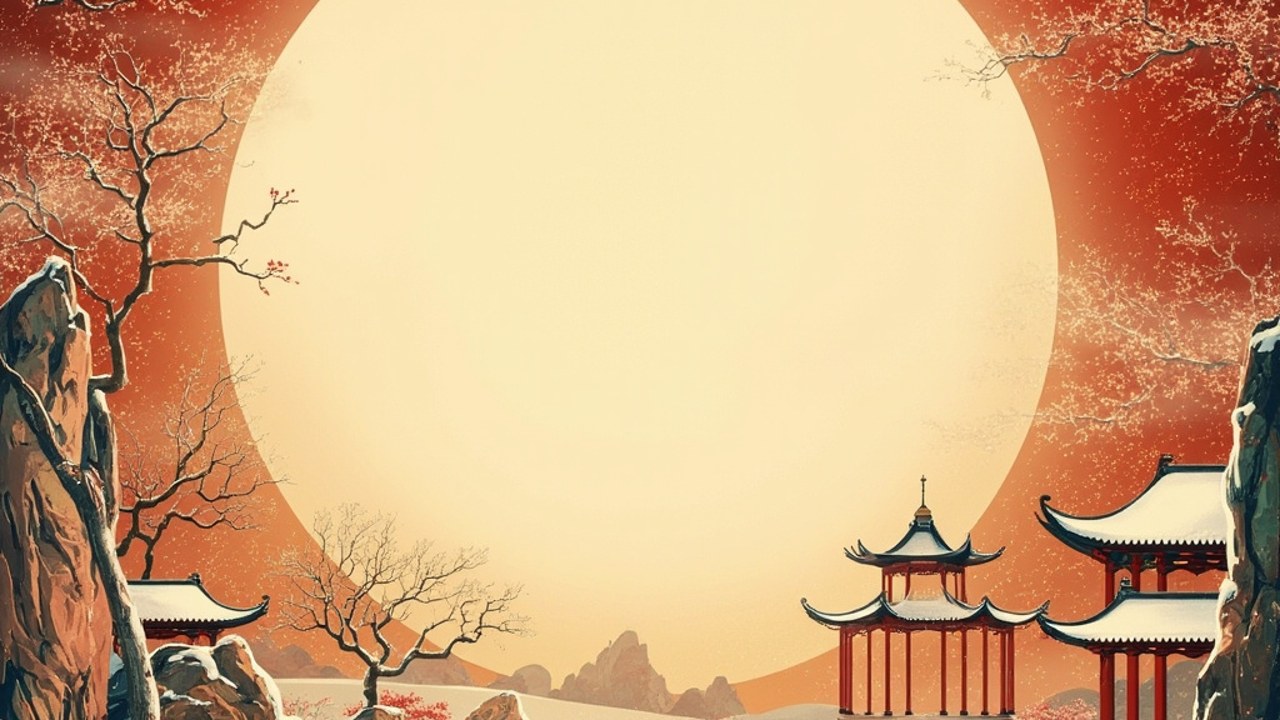
The Chinese Winter Solstice (called “Dongzhi” in Chinese) is the 22nd solar term of the 24 traditional Chinese solar terms, falling on December 21–23 in the Gregorian calendar. It marks the moment when the Northern Hemisphere experiences the shortest day and longest night of the year, and signals the official arrival of mid-winter in the traditional Chinese lunar calendar framework.
Traditional customs center on family reunion and ancestor respect. Common practices include holding ancestor worship ceremonies, gathering extended family for a feast, and honoring elders with gifts or rituals. Many regions also observe “Counting Nine” (Shoujiu), a tradition dividing the post-solstice cold period into nine sets of nine days to track seasonal progression. Regional variations exist: northern areas may visit ancestral graves, while southern communities hold large family gatherings.
The festival is tied to region-specific seasonal foods. In northern China, dumplings (jiaozi) are a staple—linked to a folk tale that they protect ears from frostbite. In southern China (e.g., Jiangnan, Fujian, Taiwan), glutinous rice balls (tangyuan) are popular, symbolizing family unity and completeness. Other foods include warming lamb soup, red bean rice, and glutinous rice cakes to nourish the body in cold weather.
While the solstice marks the shortest day, the coldest period of winter typically arrives 1–2 months later. This is because Earth’s surface radiates more heat than it absorbs during this time, leading to a gradual drop in temperatures. Post-solstice, the Northern Hemisphere enters the cold “San Jiu” (Three Nines) period, aligning with the “Counting Nine” tradition, making it the peak of winter chill in most parts of China.
Traditional Chinese medicine (TCM) emphasizes nourishing “yang” energy and storing vitality during the Winter Solstice. Recommended practices include eating warming foods (lamb, ginger, red dates) to boost body heat, getting adequate rest to avoid overexertion, keeping extremities (feet, hands) warm to prevent cold invasion, and mild moxibustion on key acupoints (like Zusanli) to strengthen immunity. TCM also advises avoiding excessive sweating to conserve body energy.
Wikipedia Start of Summer: Complete Guide to Lixia Solar Term Spring Rain Season Meaning: Chinese Solar Term Explained Grain Buds (Xiaoman) 2026: Date, Meaning & Customs
May is meteorological spring in China, but local weather ranges from cool northern conditions to…
Read More →
Understand winter in China by month and region, from snowy northeast cities to mild southern…
Read More →
China has no single monsoon month. Compare South China, the Yangtze Meiyu belt, North China,…
Read More →