
What Season Is May in China? Calendar and Regional Context
May is meteorological spring in China, but local weather ranges from cool northern conditions to…
Read More →Major Snow, also called Daxue, is the twenty-first of the 24 Chinese solar terms. It usually falls around December 6-8, when winter becomes colder and heavier snowfall becomes more likely in northern China. In 2026, Major Snow begins on December 7 in China Standard Time. This solar term is connected with winter weather, farming signs, preserved foods, nourishing meals, and preparation for the deeper cold before Winter Solstice.
Major Snow, or Daxue, is the twenty-first solar term and marks a seasonal stage when colder conditions and snowfall become more likely; it is a climate marker rather than a forecast that snow must fall everywhere that day.
| Term | Major Snow / Daxue |
|---|---|
| Sequence | 21st of 24 solar terms |
| Season | Midwinter transition |
| Common mistake | Treating the name as a same-day weather forecast |
Source: UNESCO Twenty-Four Solar Terms listing. Use the source for context and verify page-specific claims against the cited wording.
Related reading: Minor Snow | Winter Solstice
Quick reference: direct answer + four checked facts + evidence source + two internal references + stated limitation.
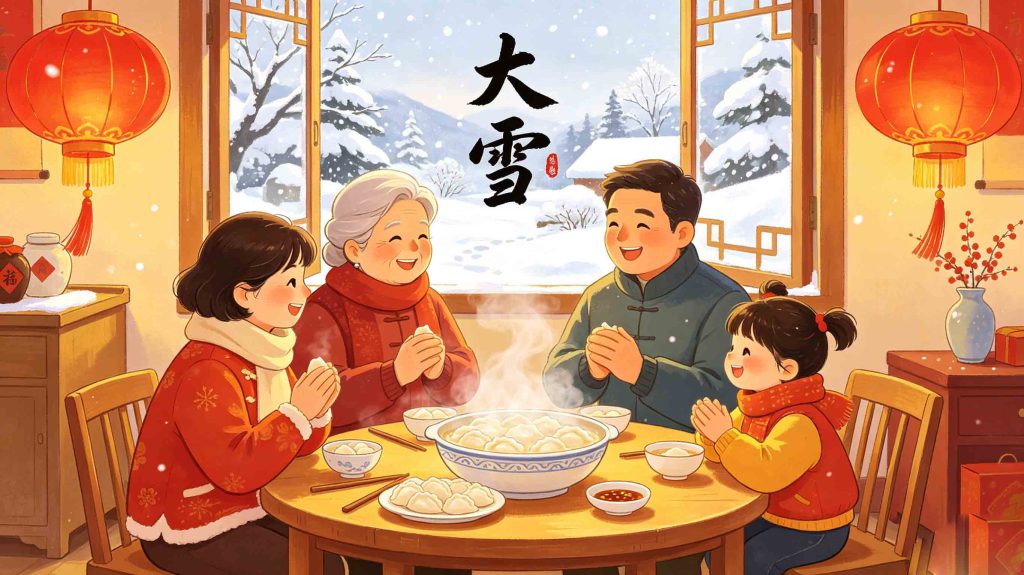
In 2026, Major Snow, or Daxue, begins on December 7 in China Standard Time. In most years, the term starts around December 6-8 in the Gregorian calendar.
Major Snow follows Minor Snow and comes before Winter Solstice. It marks a deeper step into winter rather than a guarantee that every region will see heavy snow on that exact day.
The Chinese name Daxue means Major Snow or Great Snow. The name reflects the seasonal pattern that snowfall becomes more frequent and more substantial in many northern areas as cold air strengthens.
Like other solar terms, Daxue is not only a weather label. It is a seasonal marker used to describe climate, farming rhythm, food customs, and daily life during early December.
Major Snow belongs to the winter group of the 24 solar terms. It tells people that winter is entering a colder and more settled stage. For farming communities, snow could protect winter crops, add moisture to fields, and signal the progress of the agricultural year.
In cultural life, Daxue also reminds families to prepare for colder weather, store foods, adjust meals, and pay attention to winter health. The term sits between the first signs of snow and the symbolic turning point of Dongzhi.
During Major Snow, temperatures usually drop further, frost becomes common in many areas, and snow is more likely in northern China. Southern regions may not see major snowfall, but the season still brings colder mornings, damp air, and a stronger winter feeling.
Traditional observations around Daxue often focus on cold, storage, and the quiet energy of winter. The term helps people notice that the year has moved from early winter into a more serious cold-weather period.
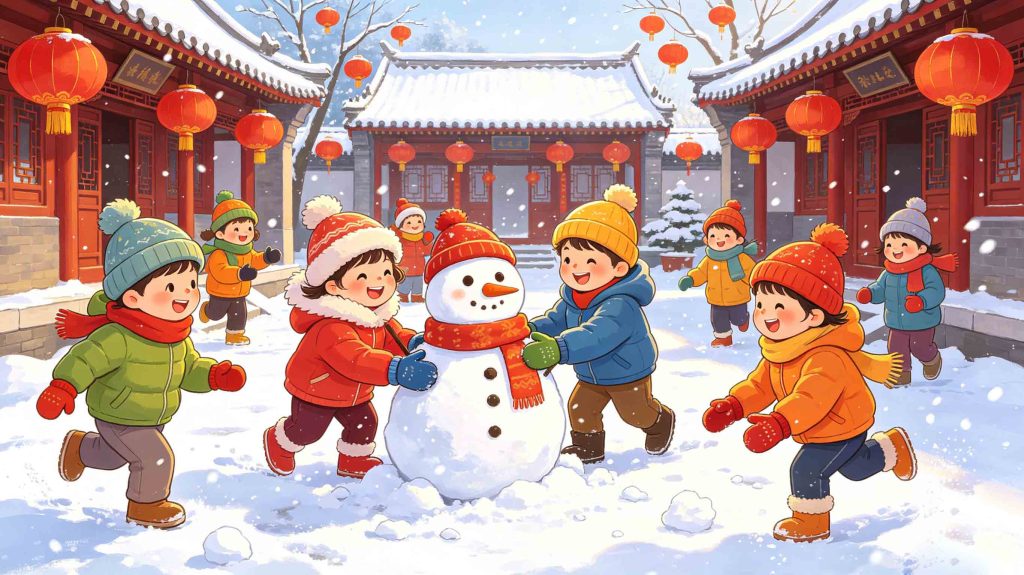
Major Snow customs are usually practical and seasonal. In many places, families prepared preserved meats, stored vegetables, dried foods, or made nourishing dishes for winter. The exact customs vary by region, but the shared idea is preparation.
Daxue is also a good time to observe local winter scenery. Snow, frost, bare branches, and quiet fields all belong to the seasonal feeling of this term, even though the actual weather depends heavily on region and year.
Foods for Major Snow usually emphasize warmth and nourishment. Traditional choices often include richer meals than early autumn foods, but the goal is balance rather than heaviness.
Traditional wellness advice for Major Snow focuses on staying warm, conserving energy, and adjusting daily habits to cold weather. Modern readers can use Daxue as a simple winter routine checkpoint.
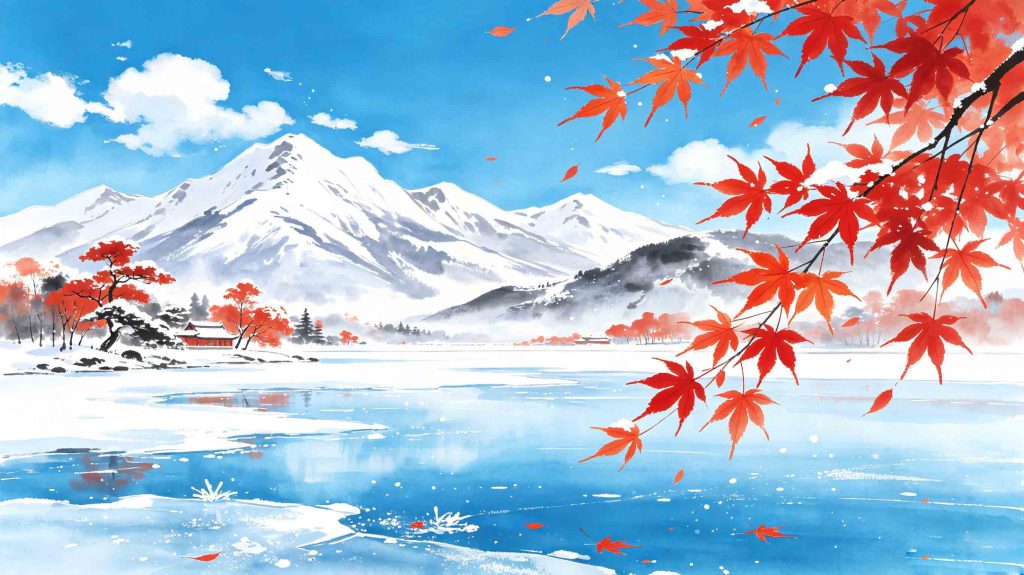
Major Snow is part of the winter sequence of the 24 solar terms. It comes after Minor Snow and before Winter Solstice. You can compare it with the complete winter solar terms guide or browse all 24 solar terms.
In 2026, Major Snow, also called Daxue, begins on December 7 in China Standard Time. It usually falls around December 6-8 each year.
Daxue means major snow or great snow. The name points to a time when colder weather deepens and snowfall becomes more likely in northern parts of China.
Major Snow is a solar term rather than a major public festival. It is mainly used to describe seasonal change, farming rhythm, weather patterns, foods, and wellness habits.
Common seasonal foods include warming soups, lamb or beef dishes, root vegetables, preserved foods, dried fruits, and nourishing winter meals suited to colder weather.
Minor Snow marks the beginning of colder, snowier weather, while Major Snow suggests a deeper winter stage when heavier snow and stronger cold are more likely.
May is meteorological spring in China, but local weather ranges from cool northern conditions to…
Read More →
Understand winter in China by month and region, from snowy northeast cities to mild southern…
Read More →
China has no single monsoon month. Compare South China, the Yangtze Meiyu belt, North China,…
Read More →