
What Season Is May in China? Calendar and Regional Context
May is meteorological spring in China, but local weather ranges from cool northern conditions to…
Read More →Winter Solstice, also called Dongzhi, is one of the most important terms in the traditional Chinese calendar. It usually falls around December 21-23 and marks the shortest daylight period of the year in the Northern Hemisphere. In 2026, Winter Solstice falls on December 22 in China Standard Time. In Chinese culture, Dongzhi is linked with family gatherings, warming foods, seasonal balance, and the return of longer days.
Winter Solstice, or Dongzhi, is the solar term around the year’s shortest daylight period in the Northern Hemisphere and a traditional seasonal marker associated with reunion foods and regional customs.
| Chinese name | Dongzhi / Winter Solstice |
|---|---|
| Calendar role | One of the 24 Chinese solar terms |
| Core meaning | Shortest-day seasonal turning point in the Northern Hemisphere |
| Common mistake | Assuming every region observes the same foods and customs |
The Twenty-Four Solar Terms are a recognized cultural system, while Dongzhi customs differ across regions and families. Source: UNESCO Twenty-Four Solar Terms listing.
Related reading: Summer Solstice Major Snow
Quick reference: direct answer + four checked facts + evidence note + related reading + stated limitation.
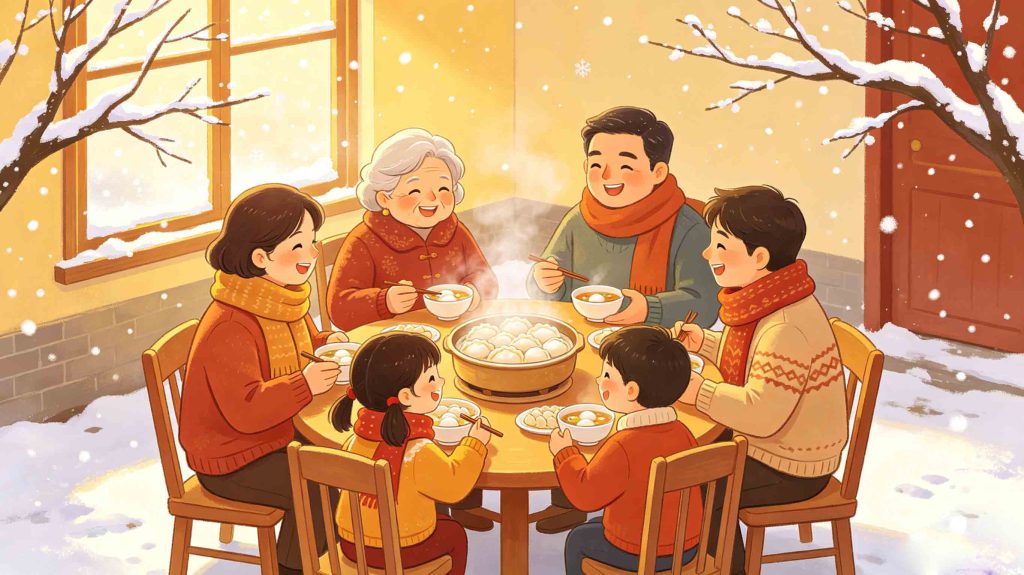
In 2026, Winter Solstice, or Dongzhi, falls on December 22 in China Standard Time. The exact astronomical moment can fall on December 21 or 22 depending on time zone, so readers outside China may see a different local date.
In the 24 solar terms system, Winter Solstice comes after Major Snow and before Minor Cold. It is the turning point when nights stop growing longer and daylight gradually begins to return.
The Chinese word Dongzhi is often translated as Winter Solstice. Literally, it suggests that winter has reached an extreme point. The season is cold and dark, but the calendar also points toward renewal because the days begin to lengthen after this moment.
This is why Dongzhi carries both practical and symbolic meaning. It is not only an astronomical marker. It is also a cultural reminder to gather, rest, eat warming foods, and prepare for the deeper part of winter.
Winter Solstice is the twenty-second of the 24 Chinese solar terms. In traditional thought, it represents the moment when yin reaches its strongest point and yang begins to grow again. That idea made Dongzhi one of the most meaningful seasonal markers of the year.
Historically, Dongzhi was important for farming calendars, family rituals, and seasonal health practices. Many families treated it as a time to come together, honor ancestors, and eat foods that symbolize warmth, unity, and protection through winter.
Dongzhi customs vary across China, but family reunion is a common theme. In some regions, families make offerings to ancestors. In others, the day is marked mainly through food, home cooking, and gathering with relatives.
The festival meaning is simple: the coldest season is coming, so people strengthen family ties and care for the body. Even for modern readers, Dongzhi can be used as a seasonal checkpoint for rest, reflection, and winter preparation.
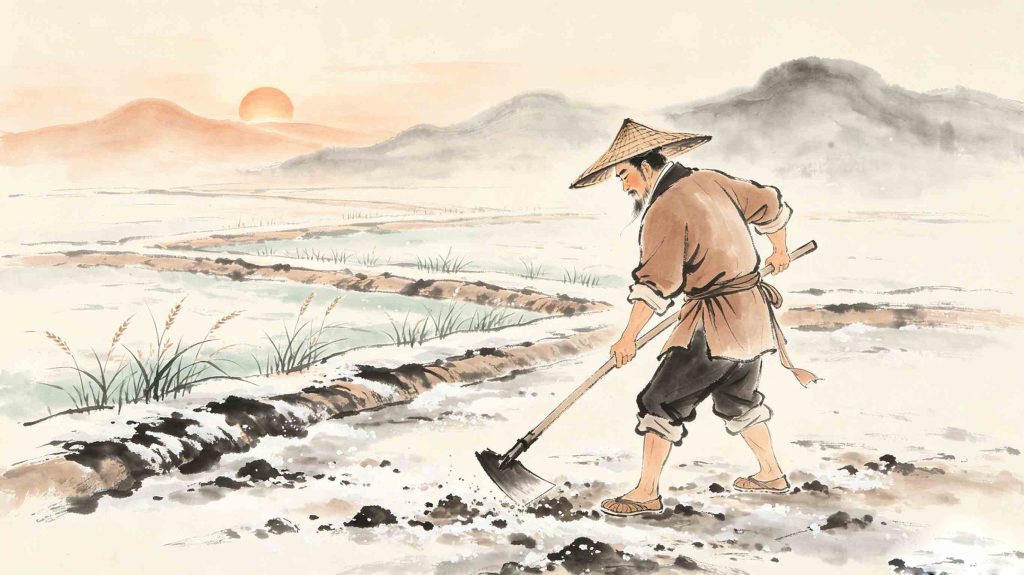
Food is the most recognizable part of Dongzhi. Northern and southern Chinese traditions differ, but both emphasize warmth, family, and seasonal nourishment.
Around Winter Solstice, much of northern China is already in deep winter. The day length is at its shortest, temperatures are low, and snow or frost may appear in many regions. In southern China, the weather may be milder, but the seasonal shift is still felt in food and daily rhythm.
Traditional seasonal observation focuses less on one day’s weather and more on the turning point of light. After Dongzhi, daylight slowly increases, which gives the term its hopeful cultural meaning.
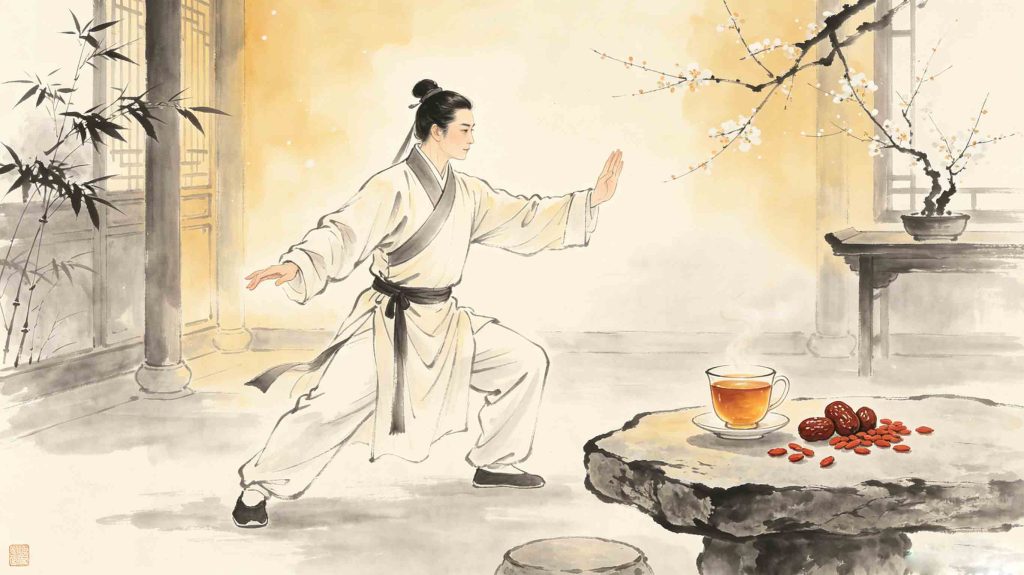
Traditional wellness ideas for Winter Solstice focus on keeping warm, conserving energy, and supporting the body during the coldest part of the year. A practical modern version can be simple:
Winter Solstice sits in the middle of the winter section of the solar-term calendar. To understand the full sequence, compare it with Major Snow, Minor Cold, and Major Cold. You can also browse the complete list of 24 solar terms or the seasonal guide to winter solar terms.
In 2026, Winter Solstice, also called Dongzhi, falls on December 22 in China Standard Time. It usually falls around December 21-23 each year.
Yes. Dongzhi is the Chinese name for the Winter Solstice solar term and festival. The word means winter arrives or the extreme of winter.
Dongzhi marks the shortest daylight period of the year and the gradual return of longer days. It is connected with family gatherings, seasonal foods, and the balance of yin and yang.
Traditional Dongzhi foods include tangyuan in southern China and dumplings in northern China. Some families also prepare warming soups, rice cakes, or regional winter dishes.
Yes. Winter Solstice is the twenty-second of the 24 Chinese solar terms and one of the most culturally important terms in the traditional calendar.
May is meteorological spring in China, but local weather ranges from cool northern conditions to…
Read More →
Understand winter in China by month and region, from snowy northeast cities to mild southern…
Read More →
China has no single monsoon month. Compare South China, the Yangtze Meiyu belt, North China,…
Read More →