
What Season Is May in China? Calendar and Regional Context
May is meteorological spring in China, but local weather ranges from cool northern conditions to…
Read More →Winter Solstice, Dongzhi (冬至), marks the December solstice and the shortest daylight period of the year in the Northern Hemisphere. In 2026 it falls on December 22 in Hong Kong Time (UTC+8), at a solar longitude of 270°.

Dongzhi is distinct from Beginning of Winter. Near the solstice, daylight starts increasing again at most Northern Hemisphere locations, but temperatures need not rise immediately. Polar regions require separate daylight explanations.
| Chinese name | Dongzhi (冬至) |
|---|---|
| Solar longitude | 270° |
| 2026 date | December 22, Hong Kong Time (UTC+8) |
| Adjacent terms | Major Snow → Winter Solstice → Minor Cold |
The solstice is astronomical; family celebrations are cultural. Neither establishes health benefits from a particular dish, and a food illustration should not be mistaken for a photograph of the reported event.
The seasonal word “winter” here follows the traditional Northern Hemisphere calendar. The Hong Kong Observatory relates many term names to ancient central Chinese weather and agriculture. Local weather and plant development may differ; Southern Hemisphere seasonal timing is reversed.
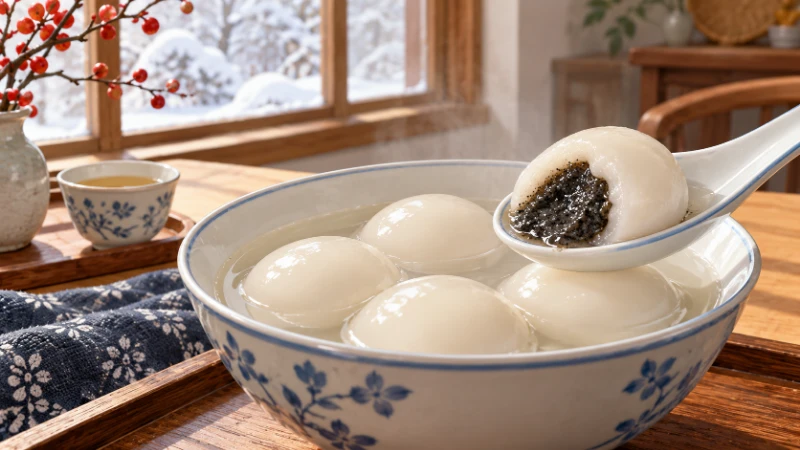
Beijing Review documents a dumpling-making activity in Hengshui, Hebei, at the 2016 Winter Solstice and describes rice-dumpling customs in southern China. These support regional examples rather than a universal household rule.
Regional example source: read the named account. The account supports the place and practice stated above, not medical benefits or a national rule.
Hong Kong Observatory: term names and solar longitudes; 2026 Gregorian–lunar conversion table; date and time notes (Hong Kong Time, UTC+8). The calendar sources establish astronomical timing and terminology; they do not verify regional customs.
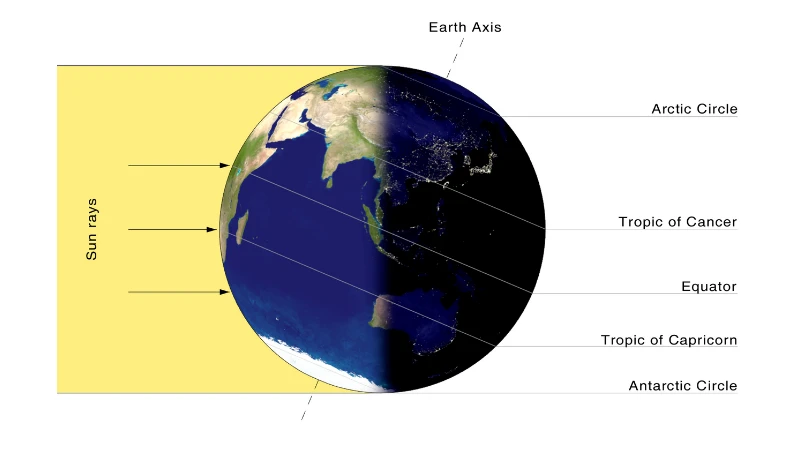
December 22 in Hong Kong Time (UTC+8). The solar-term boundary is at 270° solar longitude; civil dates in other timezones can differ.
No. The term is defined astronomically. Its seasonal name does not establish the temperature, rainfall or snowfall at a particular location.
May is meteorological spring in China, but local weather ranges from cool northern conditions to…
Read More →
Understand winter in China by month and region, from snowy northeast cities to mild southern…
Read More →
China has no single monsoon month. Compare South China, the Yangtze Meiyu belt, North China,…
Read More →