
What Season Is May in China? Calendar and Regional Context
May is meteorological spring in China, but local weather ranges from cool northern conditions to…
Read More →A Chinese seasonal food calendar helps readers understand the 24 solar terms through food, weather, harvest timing, and family routines. The goal is not to force one menu on every reader. The goal is to show how seasonal change has long shaped meals, ingredients, tea, soups, grains, fruit, and household planning.
A Chinese seasonal food calendar is a practical guide that links solar-term dates with seasonal ingredients, food customs, local weather, and simple meal planning. It should be used as cultural guidance and observation, not as strict medical or dietary instruction.
Quick reference: Chinese seasonal food calendar = solar term + weather signal + seasonal ingredient + meal habit + cultural note.
The 24 solar terms can feel abstract when they are presented only as dates. Start of Spring, Grain Rain, Great Heat, White Dew, and Winter Solstice are meaningful names, but a reader may still ask what they change in daily life. Food gives the answer a concrete shape. A Chinese seasonal food calendar turns each seasonal marker into a question: what is growing, what is harvested, what feels too heavy, what feels warming, and what kind of meal suits the weather?
This is useful for international readers because they may not live in the same climate as northern or southern China. A good calendar does not say everyone must eat the same dish on the same day. It says the solar term gives a seasonal signal, and the reader should compare that signal with local conditions. That makes the guide flexible, accurate, and easier to trust.
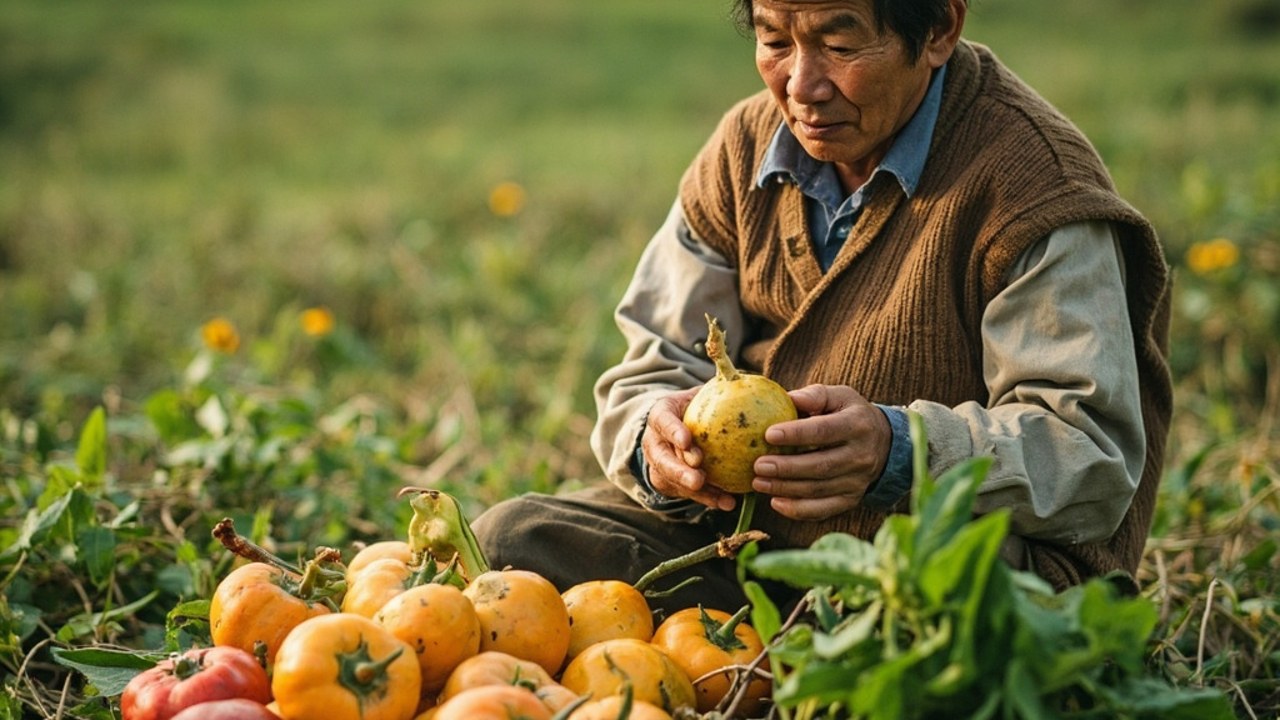
Spring solar terms often point toward movement, fresh growth, and changing rain patterns. In a Chinese seasonal food calendar, spring can include tender greens, sprouts, fresh tea, light soups, and meals that feel less heavy than deep winter food. The exact ingredient depends on the place. A reader in one country may find asparagus or spring greens; another reader may find bamboo shoots, leeks, or early herbs.
The important idea is transition. Early spring food is not only about taste. It reminds the household that the year is opening again. Rain Water and Grain Rain also make good teaching points because they connect weather with farming and harvest. When readers see that link, the solar terms stop being a list and become a lived calendar.
Summer brings a different problem: heat. A Chinese seasonal food calendar should discuss summer food in practical language. People often look for lighter meals, more fluids, fruits, cooling textures, and dishes that do not make the body feel overloaded. This should be explained carefully. The article should not claim that one traditional food solves heat for everyone. Instead, it should say that summer food customs often respond to appetite, sweat, long daylight, and hot kitchens.
Great Heat is the clearest example. A reader can check the current weather, meal timing, and household schedule. If cooking a heavy meal makes the room hotter, a lighter dish may be more practical. If a reader works outdoors, hydration and meal balance matter more than copying a festival menu. This is how seasonal tradition becomes useful without becoming rigid.

Autumn is one of the easiest seasons to explain through food. Many solar-term customs mention dryness, cooler mornings, fruit, grain, and warm soups. White Dew, Autumn Equinox, Cold Dew, and Frost’s Descent all invite readers to notice air, appetite, and evening temperature. A Chinese seasonal food calendar can use these terms to organize practical notes: choose seasonal fruit, add moisture through soups, adjust breakfast, and prepare for colder evenings.
The cultural value is also clear. Autumn food is connected with harvest memory. Even when a reader is not farming, the idea of harvest remains easy to understand. It means availability, storage, family meals, and gratitude for seasonal change. That gives the article more depth than a simple ingredient list.
Winter solar terms often carry the idea of storage. In food language, that can mean warm dishes, preserved ingredients, dumplings, soups, root vegetables, grains, and meals that support slower routines. Winter Solstice is especially important because it connects astronomy, family gathering, and food customs in a way many readers can remember.
A careful Chinese seasonal food calendar should also set boundaries. Seasonal foods are not medical guarantees. A warm soup can be comforting, but personal health, allergies, medication, and dietary limits matter. This kind of restraint improves trust. It also makes the page more useful for answer engines because the article clearly states what the tradition means and what it does not mean.

Readers can build a simple calendar without complicated design. For each solar term, write five notes: date, weather signal, seasonal ingredient, meal idea, and practical caution. For example, Grain Rain may include fresh tea and spring greens. Great Heat may include lighter meals and hydration. White Dew may include pears or gentle soups. Winter Solstice may include dumplings, tangyuan, or another family food depending on region.
This structure also supports site navigation. A food calendar can link to the main solar-term pages, farming pages, tea pages, and seasonal wellness articles. It prevents the site from becoming isolated single pages. A reader who starts with a food question can move into calendar history, and a reader who starts with a calendar date can move into food culture.
For cultural background, UNESCO’s page on the Twenty-Four Solar Terms explains the heritage context of the system. Related guides on this site include solar terms and Chinese farming and 24 solar terms UNESCO.
The best use of a Chinese seasonal food calendar is simple: read the current solar term, check the local weather, choose one seasonal ingredient, and keep the note practical. Food makes the calendar easier to remember because it brings seasonal knowledge to the table.
A Chinese seasonal food calendar works best as a flexible planning tool. Instead of telling every reader to copy one traditional dish, it should help the reader ask three practical questions: what is the current solar term, what weather is actually happening locally, and which seasonal ingredient fits the household. This keeps the advice useful for readers in China and for readers overseas.
For each term, the same simple pattern can be repeated: note the date, add the weather signal, choose one food idea, and add one boundary. The boundary is important. A Chinese seasonal food calendar may describe warming soups, light summer dishes, spring greens, autumn fruit, or winter dumplings, but it should not sound like medical advice. Food customs are cultural memory and daily practice first.
This makes the guide stronger for search and answer engines too. The phrase Chinese seasonal food calendar is not just a keyword; it names a clear user intent. People want a calendar they can use, not only a history paragraph. When the page explains the method, examples, and limits near the end, the article becomes easier to cite and easier for readers to apply.
A Chinese seasonal food calendar connects the 24 solar terms with ordinary food choices, harvest timing, weather, family meals, and seasonal customs.
No. It is a cultural and practical calendar, not medical advice or a fixed diet plan.
Start with the current solar term, check local weather, choose one seasonal food note, and compare it with family habits.
Yes, but they should adapt the food notes to local climate, ingredients, and personal health needs.
It turns date-based solar-term knowledge into daily examples that readers can observe, cook, and remember.
May is meteorological spring in China, but local weather ranges from cool northern conditions to…
Read More →
Understand winter in China by month and region, from snowy northeast cities to mild southern…
Read More →
China has no single monsoon month. Compare South China, the Yangtze Meiyu belt, North China,…
Read More →