
What Season Is May in China? Calendar and Regional Context
May is meteorological spring in China, but local weather ranges from cool northern conditions to…
Read More →
Spring Solar Terms Guide is a practical way to understand how the 24 Chinese solar terms connect seasonal change, traditional calendar wisdom, and everyday life.
It also clarifies a key fact: there are exactly 24 solar terms total, spanning all four seasons, not just the six in spring. This guide helps you understand both the unique meaning of each spring term and how they fit into the larger ancient system.
The system contains exactly 24 terms, not only the major seasonal turning points. They are arranged in calendar order from early spring to deep winter:
For the full site index, see our 24 Solar Terms guide. For historical background, the Chinese solar terms overview on Wikipedia is a useful external reference.
The 24 solar terms are a sophisticated lunar-solar calendar system developed over 2,000 years ago in China, recognized by UNESCO as an intangible cultural heritage in 2016. Unlike Western Gregorian months, which are based on the moon’s cycle, solar terms are tied to the sun’s position in the sky—each marking a 15-degree shift along the ecliptic.
Spring solar terms are the first six of the 24, marking the transition from winter’s dormancy to spring’s growth. For ancient Chinese farmers, these terms were a practical guide: planting, harvesting, and even daily routines were scheduled around them.
Today, they offer a way to reconnect with nature’s rhythms, regardless of where you live. For example, a parent in Australia can use the spring solar terms to talk about seasonal changes, even if their southern hemisphere spring falls at a different time than China’s.
This cross-cultural relevance makes the Spring Solar Terms Guide a valuable resource for anyone curious about traditional Chinese culture.
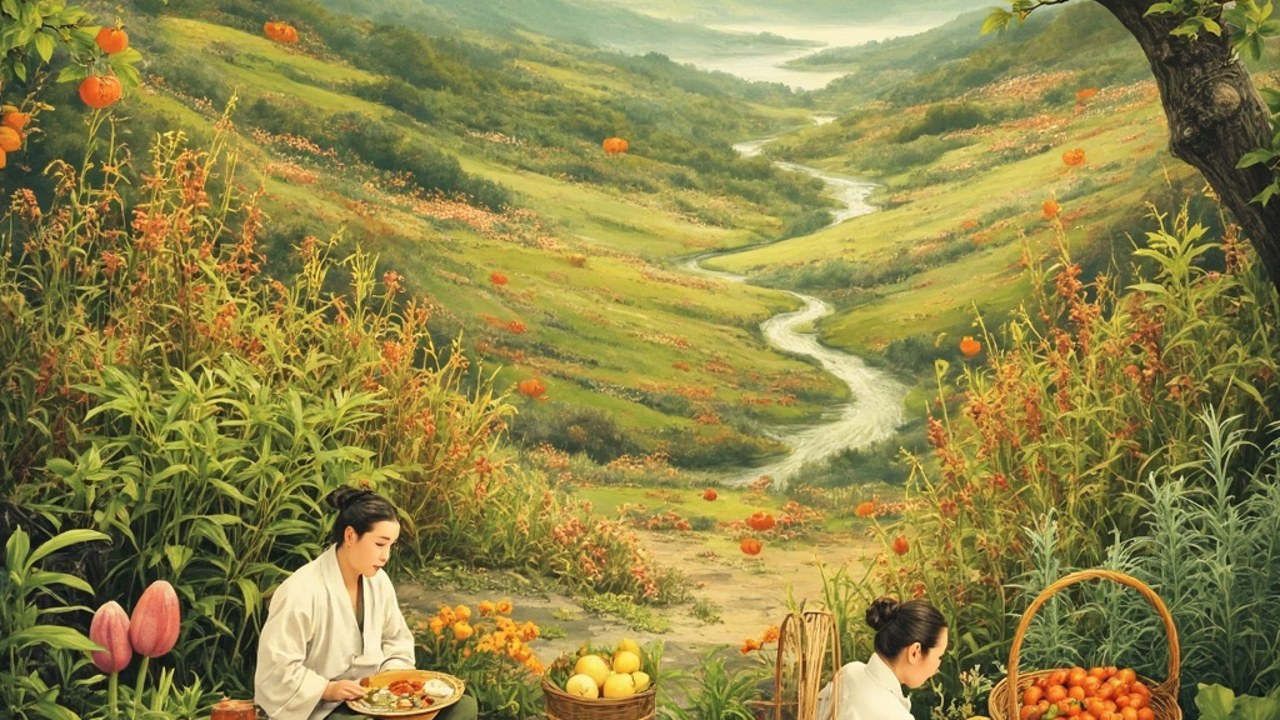
Each spring solar term has a specific astronomical and climatic meaning, with dates that shift slightly each year. Here are the six spring terms in order:
The full set of 24 solar terms, covering all four seasons, is: Lichun, Yushui, Jingzhe, Chunfen, Qingming, Guyu, Lixia, Xiaoman, Mangzhong, Xiazhi, Xiaoshu, Dashu, Liqiu, Chushu, Bailu, Qiufen, Hanlu, Shuangjiang, Lidong, Xiaoxue, Daxue, Dongzhi, Xiaohan, Dahan.
Customs are one reason a Spring Solar Terms Guide is more than a weather calendar. Each spring term carries a practical seasonal habit, a family custom, or a symbolic activity that helped people notice changes in nature.
These customs work because they turn seasonal change into visible action. A good Spring Solar Terms Guide should therefore explain not only dates, but also the small routines that made those dates meaningful.
The Spring Solar Terms Guide can also be used in ordinary modern life. You do not need to follow every traditional custom exactly; the practical value is learning how each term suggests a seasonal adjustment.
Used this way, the Spring Solar Terms Guide becomes a practical seasonal checklist rather than a static cultural note.
While the 24 solar terms are uniquely Chinese, their core purpose of tracking seasonal shifts translates to many parts of the world. Lichun’s focus on new growth, Jingzhe’s insect awakening, and Guyu’s attention to rain all describe changes that people can recognize outside China as well.
The Chunfen equinox is also a global astronomical event. Teachers can use it to explain day length, seasonal change, and Chinese culture in the same lesson, which makes the Spring Solar Terms Guide useful for classrooms and family learning.
For example, a teacher in the United States could organize a seed-planting activity around Guyu and discuss how rain supports crop growth. Overseas parents can also use these terms to explain nature, food, and family customs without turning the topic into a memorization exercise.
Even in tropical regions, the shift from drier to wetter weather can make Guyu easier to understand. The point is not that every country has the same climate, but that seasonal observation is a shared human experience.
Several misconceptions can make the spring solar terms harder to understand. This Spring Solar Terms Guide separates the common myths from the practical facts.
These misunderstandings often come from mixing Western calendar habits with the Chinese seasonal calendar. Clearing them up helps readers see why the 24 solar terms are still useful as a cultural and seasonal framework.
This guide has covered the six spring solar terms, their dates, customs, daily uses, and global connections. For culture learners, parents, and teachers, the Spring Solar Terms Guide offers a practical entry point into one of China’s most important traditional calendar systems.
What should a beginner remember first about Spring Solar Terms Guide? The first point is that the date is part of a larger cultural calendar, not an isolated celebration.
It belongs to a system of seasonal observation, family tradition, and symbolic meaning.
How is Spring Solar Terms Guide different from a simple public holiday? A public holiday mainly tells people when they have time off.
A traditional festival or seasonal marker also explains what the date means, which foods or activities are connected with it, and why families remember it.
Why does Spring Solar Terms Guide still matter today? It matters because it gives people a simple way to connect modern life with inherited culture.
Even a short meal, a family conversation, or a seasonal activity can keep the meaning alive.
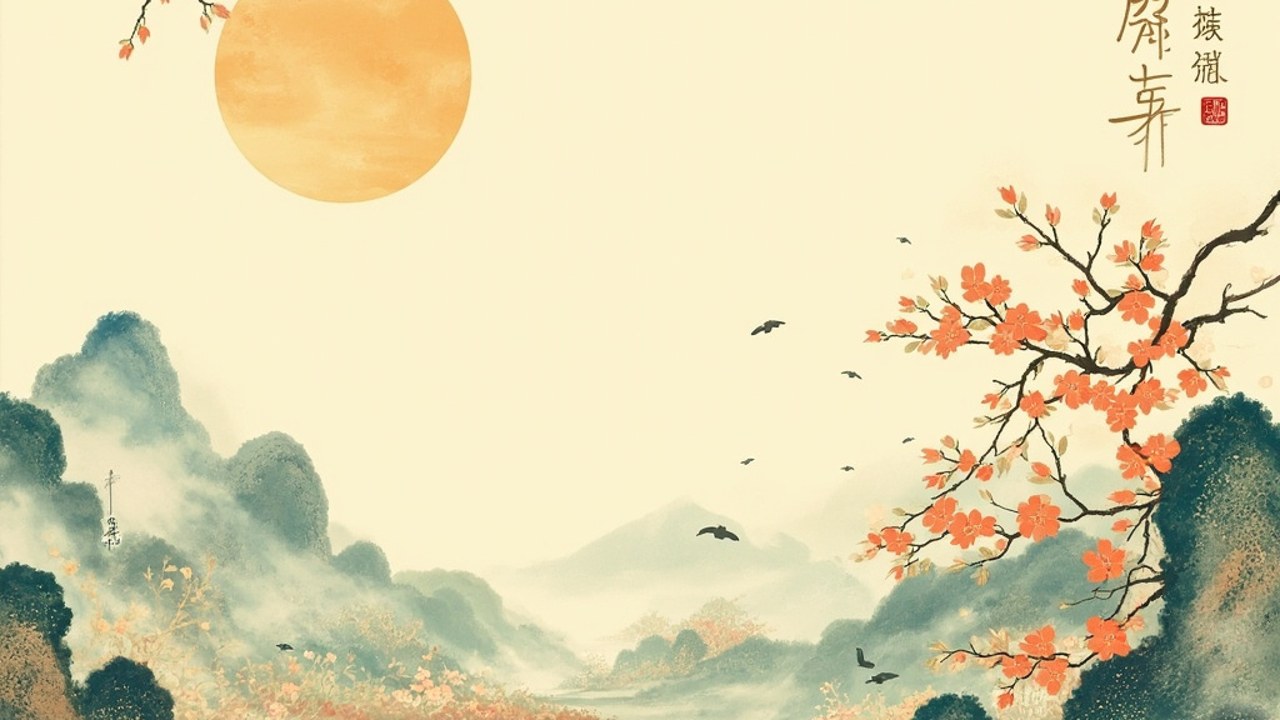
The Spring Solar Terms Guide is a traditional Chinese calendar reference that covers the six solar terms of spring in the 24 solar terms system. It spans from the Start of Spring (Lichun, around February 3–5) to the Grain Rain (Guyu, around April 19–21), guiding agricultural work, daily routines, and cultural activities aligned with seasonal shifts.
Customs tied to the Spring Solar Terms Guide vary by each spring solar term, including Lichun’s “biting spring” (eating spring pancakes or radishes to welcome spring), Jingzhe’s insect-repelling rituals (like spreading lime to ward off pests), Qingming’s tomb sweeping and spring outings, Chunfen’s vertical egg custom, and Gu Yu’s tea-picking ceremonies and sacrifices to the god of agriculture.
Seasonal foods eaten during this period include spring pancakes (chunbing) for Lichun, nourishing porridges with yam or lotus seeds for Rain Water, pears to moisten the lungs for Jingzhe, green rice balls (qingtuan) for Qingming, spring onion and tofu dishes for Chunfen, and Gu Yu tea (a special tea from Jiangnan regions) believed to have detoxifying properties.
The guide reflects and tracks weather changes from late winter to mid-spring: temperatures gradually rise, rainfall increases, frozen soil thaws, and hibernating insects awaken. Each solar term marks specific shifts—for example, Start of Spring signals warming onset, Rain Water brings more precipitation, Jingzhe has thunderstorms that wake insects, and the Spring Equinox has balanced day-night lengths with steady mild weather.
Recommended practices follow traditional Chinese medicine (TCM) principles: nourishing yang energy via mild warm foods like ginger and dates to adapt to rising spring yang, regular outdoor exercise to circulate vital energy (qi), adjusting sleep to wake earlier with the sun, avoiding excessive sour foods (which overstimulate the liver linked to spring), and prioritizing sweet or mild foods to support the spleen.
Wikipedia Winter Solstice China Meaning: Chinese Solar Term Explained Chinese Seasonal Wellness Meaning: Chinese Solar Term Exp… What Nobody Tells You About Mooncake Tradition
May is meteorological spring in China, but local weather ranges from cool northern conditions to…
Read More →
Understand winter in China by month and region, from snowy northeast cities to mild southern…
Read More →
China has no single monsoon month. Compare South China, the Yangtze Meiyu belt, North China,…
Read More →