
What Season Is May in China? Calendar and Regional Context
May is meteorological spring in China, but local weather ranges from cool northern conditions to…
Read More →
The mooncake tradition is one of the most beloved and symbolic cultural practices in Chinese society, deeply intertwined with the Mid-Autumn Festival, a celebration of harvest, family reunion, and gratitude that dates back over a thousand years. For Chinese communities around the world, this tradition is more than a seasonal ritual—it is a thread that weaves together generations, preserving cultural identity while adapting to modern life.
Originating from ancient lunar worship and historical legends, the mooncake tradition has evolved from a humble offering to the moon into a global symbol of unity and connection.
The roots of the mooncake tradition stretch back to the Tang Dynasty (618-907 AD), when the Mid-Autumn Festival was first formalized as a time to honor the moon goddess and give thanks for a bountiful harvest. During this era, people would offer round cakes, shaped to mirror the full moon, as sacrifices to the moon.
These early mooncakes were simple, often made with wheat flour and filled with ingredients like honey or sesame seeds. By the Song Dynasty (960-1279 AD), the tradition had spread among the general population, as documented in the ancient text *Tokyo Menghua Lu* (Dream of the Splendor of Tokyo), which describes mooncakes as a popular festival food sold in markets across the capital.
However, the most iconic chapter in the mooncake tradition’s history comes from the Yuan Dynasty (1271-1368 AD), a period of Mongol rule marked by widespread oppression of the Han Chinese. Rebel leader Zhu Yuanzhang, who would later found the Ming Dynasty, and his strategist Liu Bowen devised a plan to coordinate a rebellion against Mongol forces.
To avoid detection, they hid secret messages inside round mooncakes, distributing them to Han families with instructions to gather and rise up on the 15th day of the 8th lunar month—Mid-Autumn. When the rebellion succeeded, the mooncake became a symbol of unity and resistance, and the tradition of exchanging mooncakes to mark the festival was born.
This legend remains a central part of how the mooncake tradition is taught and celebrated today, linking the practice to themes of courage, community, and shared purpose.
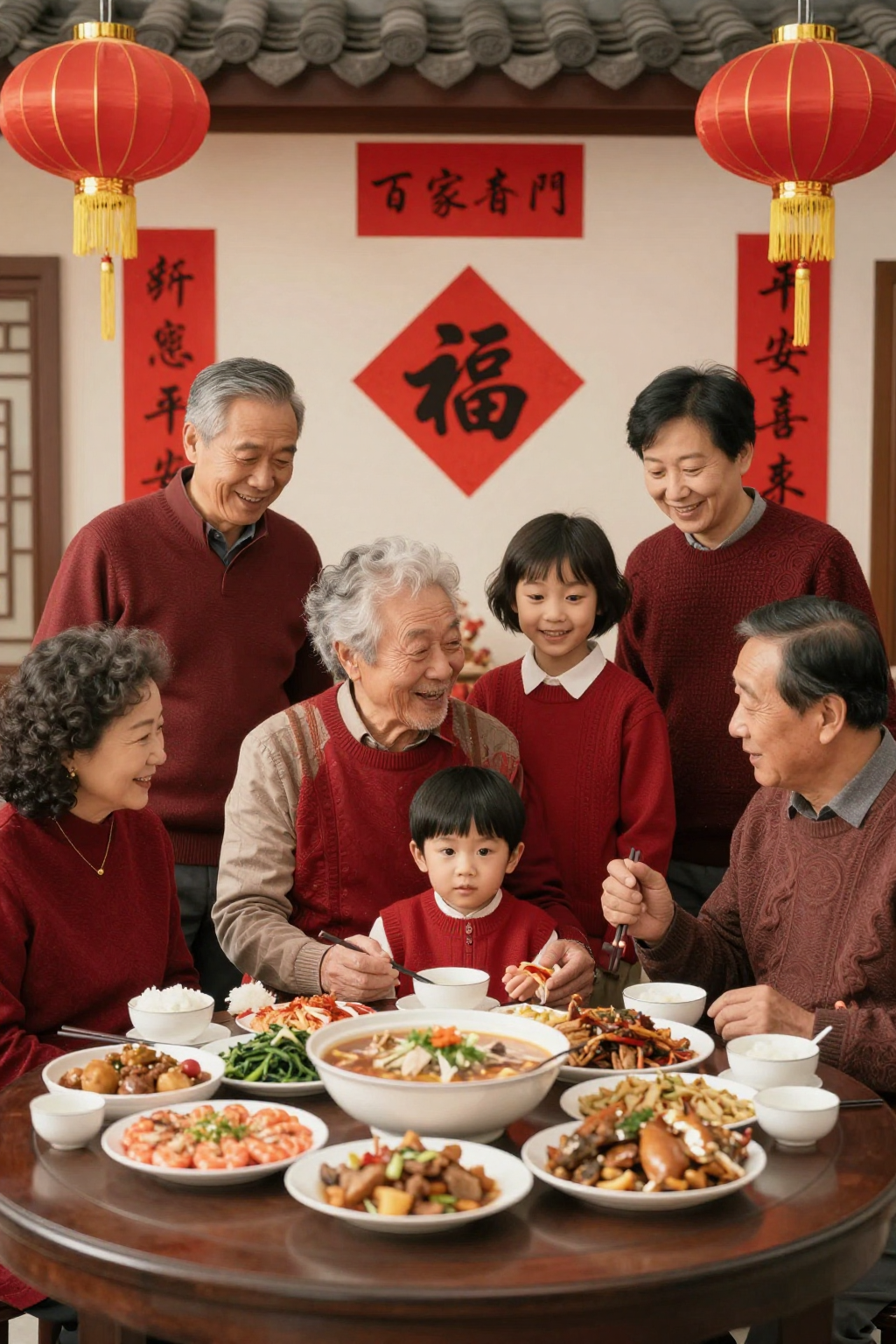
The mooncake tradition is not merely about eating a pastry; it is a multifaceted practice that embodies core Chinese values. The round shape of mooncakes is intentional, symbolizing wholeness, completeness, and the cyclical nature of life—especially the reunion of family members who may be separated by distance or work.
Traditional fillings carry symbolic weight: lotus seed paste, a common choice, represents purity and prosperity, while salted egg yolks, often placed at the center of the cake, are said to mirror the full moon, signifying unity. Exchanging mooncakes is a gesture of respect, care, and gratitude: families give boxes to elders, friends share them as a sign of affection, and businesses send them to clients to strengthen professional relationships.
This act of giving is as important as the cake itself, as it reinforces social bonds across all spheres of life.
One common mistake learners make when discussing the mooncake tradition is reducing it to just the food. Many new learners, especially those outside Chinese culture, focus on the taste or variety of mooncakes rather than the tradition’s deeper meaning.
For example, a learner might say, “I enjoy the mooncake tradition because I like trying different flavors,” missing the core truth that the practice exists to foster connection, not just culinary pleasure. This misperception can lead to a shallow understanding of why the tradition is so central to Chinese culture, making it important to emphasize its symbolic roots when teaching or discussing it.
To use the mooncake tradition naturally in conversation, it is important to frame it around its core themes: family, sharing, and cultural heritage. Below are four practical examples of how to incorporate this phrase into everyday speech:
These examples show how the phrase is used in personal, professional, and tourist contexts, highlighting its versatility as a cultural reference.
In an increasingly globalized world, the mooncake tradition serves as a vital anchor for Chinese cultural identity, both in China and among overseas communities. For diaspora Chinese, the Mid-Autumn Festival and mooncake tradition are ways to pass down cultural heritage to younger generations, even when living far from their homeland.
For example, in Chinatowns across North America, Europe, and Southeast Asia, annual Mid-Autumn festivals feature mooncake exhibitions, cooking workshops, and parades, drawing crowds of all backgrounds and keeping the tradition alive for new generations. Beyond cultural preservation, the mooncake tradition has adapted to modern challenges.
During the COVID-19 pandemic, when in-person gatherings were limited, many people sent virtual mooncake boxes or ordered delivery to connect with loved ones. Additionally, the tradition has evolved to include inclusive options: vegan mooncakes, gluten-free varieties, and even mooncakes with international flavors like matcha or durian, making it accessible to people with diverse dietary needs.
Despite these changes, the core meaning remains unchanged: the mooncake tradition is about bringing people together, celebrating gratitude, and honoring the bonds that hold communities together.
The mooncake tradition is closely linked to several Chinese chengyu (four-character idioms) that reflect its themes of reunion and completeness. Two of the most common are:
Q: Is the mooncake tradition only celebrated in China?
A: No, the tradition is practiced by Chinese communities worldwide, as well as in several East Asian countries including Vietnam, Singapore, Malaysia, and Korea, where the Mid-Autumn Festival is a recognized holiday. Mooncake Tradition Each region may have its own variations of mooncake flavors and preparation methods, but the core theme of reunion remains consistent.
Q: What’s the difference between traditional and modern mooncakes?
A: Traditional mooncakes are typically baked with a dense, flaky crust and filled with ingredients like lotus seed paste, red bean paste, or salted egg yolks. They often feature intricate embossed patterns on the top, which may carry symbolic meanings.
Modern mooncakes, by contrast, include no-bake snow skin mooncakes, ice cream mooncakes, vegan options, and even savory fillings like meat or cheese. Mooncake Tradition While these modern adaptations expand the tradition’s appeal, they still honor the spirit of sharing and connection.
Q: Do you have to give mooncakes to everyone you know?
A: No, the mooncake tradition is about giving to those who matter most—family, close friends, business partners, and elders. It is not a mandatory gift for acquaintances; instead, it is a thoughtful gesture to strengthen existing relationships.
Giving a high-quality mooncake box to someone is seen as a sign of respect and care, so many people choose to curate their gifts carefully.
Q: How do you properly eat a mooncake?
A: Traditional etiquette dictates that mooncakes are cut into small, equal slices with a sharp knife, usually one slice per person. This practice symbolizes sharing and unity, as everyone gets a piece of the “complete” cake.
Mooncake Tradition Because mooncakes are rich in flavor, they are often paired with tea to balance the sweetness, adding to the ritual of the meal.
The mooncake tradition is more than a seasonal food ritual—it is a living testament to the power of culture to connect people across time, distance, and change. For centuries, it has evolved from a lunar offering to a symbol of rebellion, then to a marker of family and community.
Today, as the world becomes more interconnected, this tradition continues to adapt, yet its core purpose remains the same: to remind us to pause, share, and cherish the people we love. Whether you are a Chinese family baking homemade mooncakes in a small apartment in Beijing, a student in New York ordering a virtual mooncake box for their parents, or a tourist trying a durian mooncake in a Chinatown in London, the mooncake tradition offers a universal message: together, we are whole.
As we celebrate this tradition each Mid-Autumn, we carry forward not just a pastry, but a legacy of unity that has endured for over a thousand years.
The mooncake tradition is closely linked to the Mid-Autumn Festival, a key celebration in the Chinese calendar that falls on the 15th day of the 8th lunar month, a date that typically aligns with the Autumnal Equinox—one of the 24 Chinese solar terms marking the midpoint of autumn, when day and night are nearly equal in length.
Traditional customs of the mooncake tradition revolve around family reunion: people gather to share round mooncakes (a symbol of wholeness and togetherness), admire the bright full moon, offer tributes to the moon goddess Chang’e, and exchange mooncakes as gifts to convey goodwill to relatives, friends, and neighbors.
Beyond mooncakes, seasonal foods tied to autumn solar terms are commonly eaten, including osmanthus-themed treats like osmanthus wine, osmanthus cakes, and osmanthus tea (since osmanthus blooms in autumn), plus fresh fruits such as pomegranates, persimmons, and grapes, which represent abundance and good fortune in Chinese culture.
The mooncake tradition is deeply connected to the mild, clear autumn weather typical of the Autumnal Equinox solar term. During this period, the climate is crisp, skies are often cloudless, and the full moon is particularly bright and visible—ideal conditions for the tradition’s core activity of moon-gazing, so the tradition thrives in and is shaped by this favorable seasonal weather.
Traditional Chinese medicine (TCM) recommends several wellness practices for this period: since mooncakes are rich in sugar and fat, they should be eaten in moderation, paired with warm green or oolong tea to aid digestion. Additionally, autumn is when TCM emphasizes nourishing the lungs, so people avoid overly spicy or dry foods and opt for moist, seasonal options like pears to maintain balance.
Wikipedia Start of Spring: Complete Guide to Lichun Solar Term White Dew: Complete Guide to Bailu Solar Term Winter Solstice: Complete Guide to Dongzhi Festival Traditions
May is meteorological spring in China, but local weather ranges from cool northern conditions to…
Read More →
Understand winter in China by month and region, from snowy northeast cities to mild southern…
Read More →
China has no single monsoon month. Compare South China, the Yangtze Meiyu belt, North China,…
Read More →