
What Season Is May in China? Calendar and Regional Context
May is meteorological spring in China, but local weather ranges from cool northern conditions to…
Read More →
Seasonal foods in China is a practical way to understand how the 24 Chinese solar terms connect seasonal change, traditional calendar wisdom, and everyday life.
Unlike Western seasonal eating, which often centers on local produce availability, Chinese seasonal foods are tailored to the sun’s position, balancing flavor, nutrition, and climate adaptation. There are exactly 24 solar terms, each marking a 15-degree shift in the sun’s ecliptic path, creating distinct seasonal markers: Lichun (Start of Spring), Yushui (Rain Water), Jingzhe (Awakening of Insects), Chunfen (Spring Equinox), Qingming (Pure Brightness), Guyu (Grain Rain), Lixia (Start of Summer), Xiaoman (Grain Buds), Mangzhong (Grain in Ear), Xiazhi (Summer Solstice), Xiaoshu (Minor Heat), Dashu (Major Heat), Liqiu (Start of Autumn), Chushu (End of Heat), Bailu (White Dew), Qiufen (Autumn Equinox), Hanlu (Cold Dew), Shuangjiang (Frost Descent), Lidong (Start of Winter), Xiaoxue (Minor Snow), Daxue (Major Snow), Dongzhi (Winter Solstice), Xiaohan (Minor Cold), Dahan (Major Cold).
The 24 solar terms were developed by ancient Chinese astronomers to track the sun’s annual movement, helping farmers time planting, harvesting, and irrigation for optimal crop growth. Over centuries, this agricultural calendar merged with daily meals, creating a system where seasonal foods in China are not just about what’s available—they’re about what’s beneficial for the body at that exact time.
For instance, during Guyu (Grain Rain), when spring rains nourish grain crops and temperatures rise, people drink Guyu tea, a mild, delicate brew believed to clear internal heat and combat spring fatigue. A cultural expert note: “What makes this system unique is its focus on harmony between the body and environment,” says Dr.
Li, a Chinese cultural historian at Peking University. “Each food is chosen for its properties—like cooling, warming, or nourishing—to balance the body’s energy with the current solar term’s climate.” This integration of seasonal foods in China into daily life is a testament to ancient wisdom that still resonates today.
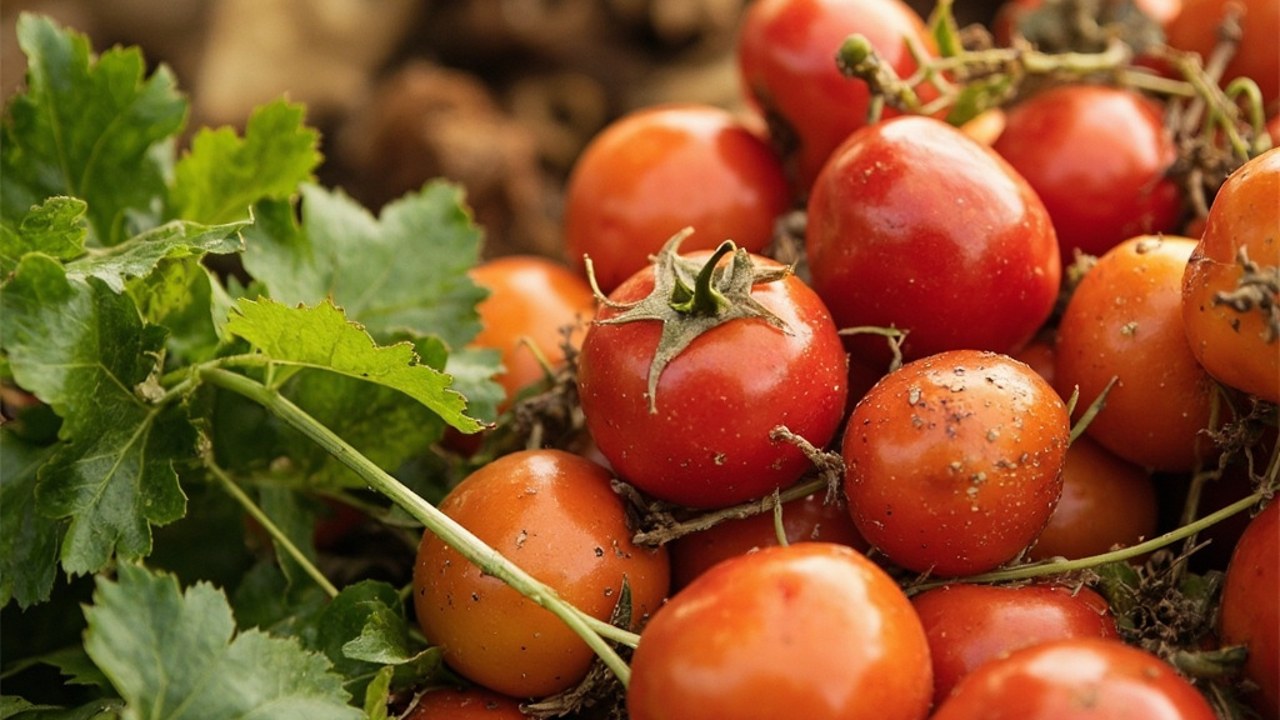
Spring in China spans Lichun to Guyu, a time of renewal and fresh produce, and spring seasonal foods in China mirror this energy with bright, crisp flavors. Lichun, the start of spring, is marked by eating chunbing (spring pancakes): thin, soft wraps filled with shredded vegetables, pork, and bean sauce, symbolizing “embracing spring.” In southern regions like Shanghai, families also make spring rolls, fried to a crispy texture for a celebratory meal shared with neighbors.
Qingming, the Pure Brightness festival, brings qingtuan—small, green rice balls made from mugwort juice, stuffed with red bean paste or sesame. These are eaten both as offerings to ancestors and as a way to enjoy spring’s vibrant, earthy tastes.
For many rural families, seasonal foods in China still follow strict solar term rules: during Guyu, the sixth solar term, they pick fresh toon (xiangchun) shoots, blanch them, and mix with soft tofu for a simple dish that’s thought to boost appetite after a long winter. Another Guyu custom is drinking tea, as the mild spring rains produce leaves with a delicate flavor that’s perfect for clearing the mind.
Summer, from Lixia to Dashu, is all about staying cool and hydrated, and summer seasonal foods in China are designed to counteract sweltering temperatures. Lixia, the start of summer, has a tradition of “weighing people” (using a large hanging scale) and eating boiled eggs—believed to prevent summer fatigue and keep the body strong.
Xiazhi, the Summer Solstice, is the longest day of the year, and in northern China, families eat cold noodles (liangmian) with sesame paste, cucumber, and garlic. The cold noodles help lower body temperature during the hottest days of the year.
Dashu, the Major Heat, is the peak of summer, so meals focus on cooling foods: mung bean soup, lotus seed porridge, and watermelon. For example, in Chengdu, locals eat spicy dishes like mapo tofu but pair them with cold rice porridge to balance the heat.
Even in modern cities, seasonal foods in China remain a key part of summer celebrations, connecting people to age-old practices. For more on balancing diet during hot summer months, our summer wellness guide offers practical tips aligned with solar terms.
Autumn, from Liqiu to Shuangjiang, is harvest time, and autumn seasonal foods in China nourish the lungs and prepare the body for winter. Liqiu, the Start of Autumn, has a custom called “biting autumn” (yao qiu): eating fresh pears to cool down after summer’s lingering heat.
In some regions, people also eat watermelon until Liqiu, believing it removes leftover summer dampness from the body. Qiufen, the Autumn Equinox, is when rice cakes are made—symbolizing the harvest of grains.
These cakes are often steamed or fried, and shared with neighbors to celebrate the season’s bounty. Hanlu, the Cold Dew, brings ripe persimmons, a staple in northern China.
The sweet, juicy fruit is thought to moisten the lungs and soothe a dry throat, common in crisp autumn air. In Xi’an, street vendors sell persimmons from wooden carts during Hanlu, their bright orange color a cheerful sign of the season.
Autumn seasonal foods in China are also a way to celebrate the hard work of farmers and the abundance of the land.
Winter, from Lidong to Dahan, is about warming the body and building energy, and winter seasonal foods in China focus on hearty, nourishing meals. Lidong, the Start of Winter, is when many families eat lamb soup—rich, spicy, and designed to keep the body warm through the cold months.
In Inner Mongolia, herders also eat mutton hot pot, a communal meal that brings people together to share stories and warmth. Dongzhi, the Winter Solstice, is one of the most important solar terms: northern China eats dumplings (to avoid freezing ears, as the legend goes), while southern China eats tangyuan (glutinous rice balls), symbolizing reunion and wholeness.
Dahan, the Major Cold, is the coldest time of year, so meals include glutinous rice cakes and pickled vegetables—pickling vegetables helps preserve food for the long winter, and the sour taste is thought to stimulate the appetite. A nutrition note: “Traditional Chinese medicine emphasizes that winter foods should be high in calories and warming, a principle that has been proven effective for maintaining energy levels in cold climates,” says Dr.
Wang, a traditional Chinese medicine practitioner. Winter seasonal foods in China are not just about eating well, but about preparing for the year ahead.
Today, even with global food supply chains and refrigeration, seasonal foods in China remain a meaningful part of daily life, both in China and overseas communities. For example, young professionals in Shanghai may make qingtuan during Qingming, using store-bought mugwort paste to connect to their childhood.
Overseas Chinese families in Toronto hold annual Dongzhi dumpling-making parties, teaching their children about Chinese culture through hands-on rituals. For culture learners, these practices offer a tangible way to understand China’s values of harmony with nature, community, and respect for tradition.
Unlike generic seasonal eating, solar-term-based foods offer a structured, educational framework for teachers and parents looking to introduce Chinese culture to kids. Learning about seasonal foods in China is a great way for beginners to start exploring the depth of Chinese cultural wisdom that has stood the test of time.
Seasonal Foods In China is not only a date on the calendar. In Chinese seasonal culture, it is a way to connect family routines, food choices, weather awareness, and traditional memory.
People often understand a festival or seasonal custom by looking at what families prepare, what they eat, what they avoid, and what ideas they pass to children.
For readers outside China, seasonal foods in China can be understood as a practical cultural window. It shows how the traditional calendar joins agriculture, family reunion, health ideas, and symbolic customs.
Even when modern families no longer follow every old practice, many people still keep the most meaningful parts because they create rhythm in the year.
The most useful way to study seasonal foods in China is to ask three questions: What does this date mark in the seasonal cycle? What do people actually do at home or in public life?
Why did those customs become meaningful? These questions keep the article practical and prevent the topic from becoming only a list of facts.
Wikipedia Longest Day China Meaning: Chinese Solar Term Explained Jingzhe Customs and Foods: Awakening of Insects Guide What Nobody Tells You About Mooncake Tradition
For readers outside China, seasonal foods in China can be understood as a simple seasonal decision system. Spring foods often support freshness and renewal, summer foods focus on cooling and hydration, autumn foods emphasize moisture and balance, and winter foods are usually richer and warming. This makes the topic useful for families, teachers, and cultural learners who want more than a list of dishes.
The most useful way to study seasonal foods in China is to connect each food with a solar term, a weather shift, and a real household habit. That connection keeps the article practical: readers can see why a dish appears at a certain time of year, how people explain its seasonal value, and how the tradition still shapes everyday eating.
Seasonal foods in China refers to the habit of choosing ingredients and dishes according to weather, solar terms, harvest time, and traditional ideas about balance.
The 24 solar terms mark changes in climate and farming life. Many foods are linked to these moments because people used them to adapt meals to seasonal conditions.
No. They also reflect festivals, family customs, regional produce, farming schedules, and symbolic meanings passed down through daily life.
Yes. Even outside China, families can use the idea by choosing fresher, lighter, cooling, moistening, or warming foods according to the season.
Start with one season, then connect three foods to three solar terms. This makes the tradition easier to remember than studying a long list at once.
May is meteorological spring in China, but local weather ranges from cool northern conditions to…
Read More →
Understand winter in China by month and region, from snowy northeast cities to mild southern…
Read More →
China has no single monsoon month. Compare South China, the Yangtze Meiyu belt, North China,…
Read More →