
What Season Is May in China? Calendar and Regional Context
May is meteorological spring in China, but local weather ranges from cool northern conditions to…
Read More →
Longest day China is a practical way to understand how the 24 Chinese solar terms connect seasonal change, traditional calendar wisdom, and everyday life.
If you’ve ever stepped outside in mid-June across China and felt the sun linger long after dinner, you’re witnessing the Xia Zhi solar term—universally known as the Summer Solstice, and the official longest day of the year in the Northern Hemisphere. For over two millennia, this date has been far more than an astronomical curiosity; it’s a deeply rooted cultural marker that shapes how Chinese people connect with nature, honor tradition, and care for their well-being.
Longest Day China Let’s explore what makes this longest day in China so special.
Astronomically, Xia Zhi occurs when the Earth’s axial tilt reaches its maximum inclination toward the Sun. For locations in the Northern Hemisphere—including most of China—this means the sun rises earliest and sets latest, resulting in the longest period of daylight of the year.
In the Gregorian calendar, Xia Zhi typically falls between June 21 and 22, though its exact date shifts slightly each year based on the solar cycle. Unlike Western solstice celebrations, which often focus on light and rebirth, Xia Zhi is woven into the fabric of Chinese life, guiding everything from agricultural planning to family meals.
Longest Day China It marks the peak of yang energy in the natural world, a core concept in traditional Chinese philosophy that influences both daily routines and cultural practices.
Xia Zhi is part of the 24 solar terms, a remarkable ancient Chinese invention that divides the year into 24 distinct segments based on the sun’s apparent path. Created over 2,000 years ago during the Han Dynasty, this system was designed to help farmers align their work with nature’s rhythms, but it has since become a core part of Chinese cultural identity.
The full list of the 24 solar terms is: Start of Spring (Lichun), Rain Water (Yushui), Awakening of Insects (Jingzhe), Spring Equinox (Chunfen), Pure Brightness (Qingming), Grain Rain (Guyu), Start of Summer (Lixia), Grain Buds (Xiaoman), Grain in Ear (Mangzhong), Summer Solstice (Xia Zhi), Minor Heat (Xiaoshu), Major Heat (Dashu), Start of Autumn (Liqiu), End of Heat (Chushu), White Dew (Bailu), Autumn Equinox (Qiufen), Cold Dew (Hanlu), Frost’s Descent (Shuangjiang), Start of Winter (Lidong), Minor Snow (Xiaoxue), Major Snow (Daxue), Winter Solstice (Dongzhi), Minor Cold (Xiaohan), Major Cold (Dahan). Longest Day China Each term carries unique meaning tied to seasonal changes, and Xia Zhi stands out as one of the most important because of its astronomical significance and deep cultural ties.
For ancient Chinese communities, Xia Zhi was a time to honor the sun, which was seen as a symbol of yang energy—active, warm, and life-giving. Rituals were held to pray for a bountiful harvest, as the peak sunlight was crucial for crops like rice and wheat.
In some regions, local officials would lead ceremonies to worship the sun god, offering sacrifices and performing traditional dances to thank the deity for its light. Over time, these formal rituals evolved into more personal, family-focused customs, many of which are still practiced today.
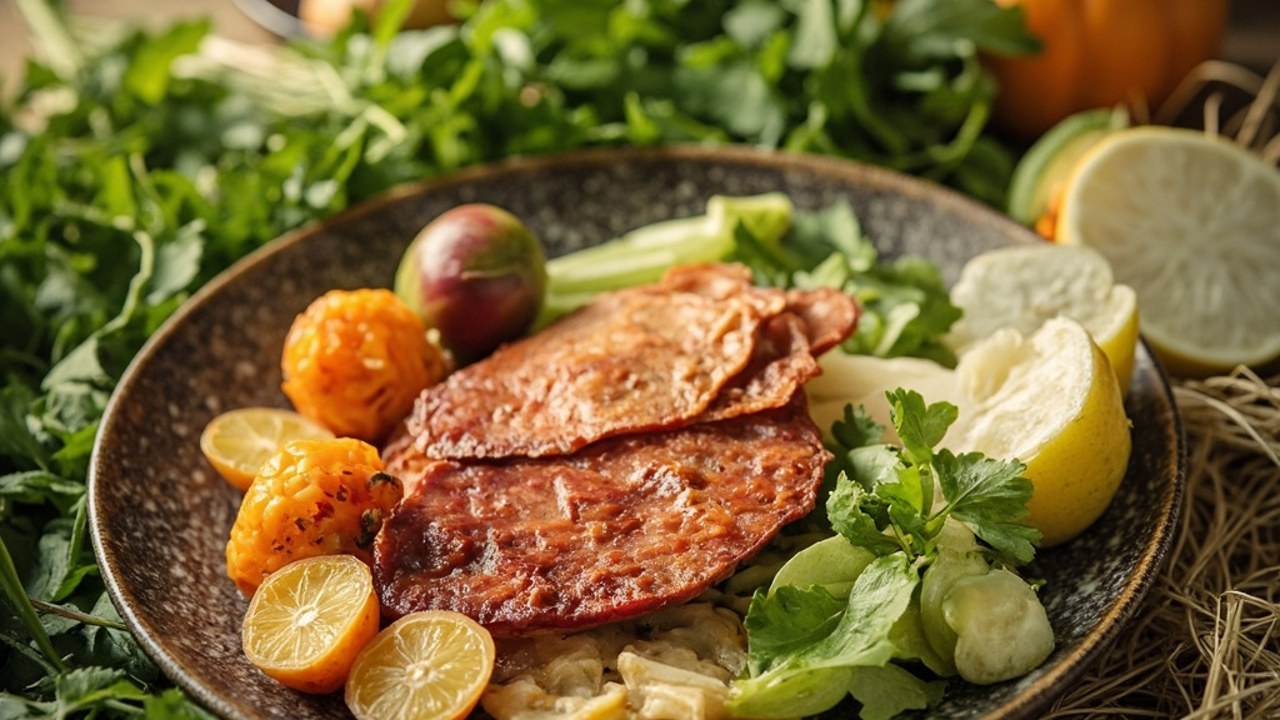
One of the most beloved Xia Zhi traditions is eating noodles. Across most of China, families prepare and eat long, fresh noodles on this day.
The noodles symbolize longevity, and their length mirrors the long daylight hours of Xia Zhi. In northern China, people often eat hot noodles with garlic sauce, while in southern regions, cold noodles (liangmian) are popular to beat the summer heat.
Another common custom is eating lychees, a sweet tropical fruit that’s in season during Xia Zhi. In Guangdong and Fujian provinces, lychees are considered a “cooling” food that balances the excess yang energy of the solstice.
Many families also make mung bean soup, a refreshing drink that helps cool the body on hot summer days. Longest Day China These small, daily customs turn a seasonal event into a chance for families to gather and share meals.
Today, even as China becomes more urban and modern, Xia Zhi remains a meaningful part of daily life. While formal rituals are less common, the food traditions are still widely observed.
For example, in Beijing, many noodle shops offer special Xia Zhi noodle dishes, and families often plan their weekend meals around the custom. Beyond food, Xia Zhi is also tied to modern health practices.
According to traditional Chinese medicine, Xia Zhi is when yang energy is at its peak in the body, so it’s important to avoid overexertion, stay hydrated, and eat light, cooling foods. For more on seasonal health during the summer months, explore our summer wellness guide.
Farmers still rely on Xia Zhi to plan their work: it’s a key time for weeding rice fields, controlling pests, and ensuring crops get enough sunlight. In recent years, Xia Zhi has also become a small cultural event in cities, with some museums and community centers hosting workshops to teach people about the solar terms, including Xia Zhi’s history and traditions.
Longest Day China These efforts help keep ancient wisdom alive for younger generations and overseas learners curious about Chinese culture.
The longest day in China isn’t just about how long the sun stays up—it’s a reminder of the ancient wisdom that connects humans to nature. The 24 solar terms, including Xia Zhi, are a way to track the seasons and honor the cycles that have sustained Chinese communities for millennia.
For overseas readers and culture learners, Xia Zhi offers a window into how Chinese people balance tradition and modernity, and how small, seasonal customs can bring families together. Whether you’re eating a bowl of long noodles on June 21 or learning about the solar terms, Xia Zhi is a chance to appreciate the beauty of nature and the cultural heritage that shapes Chinese life.
Longest Day China It’s a day that bridges the past and present, reminding us of the timeless link between the sky above and the lives we live below.
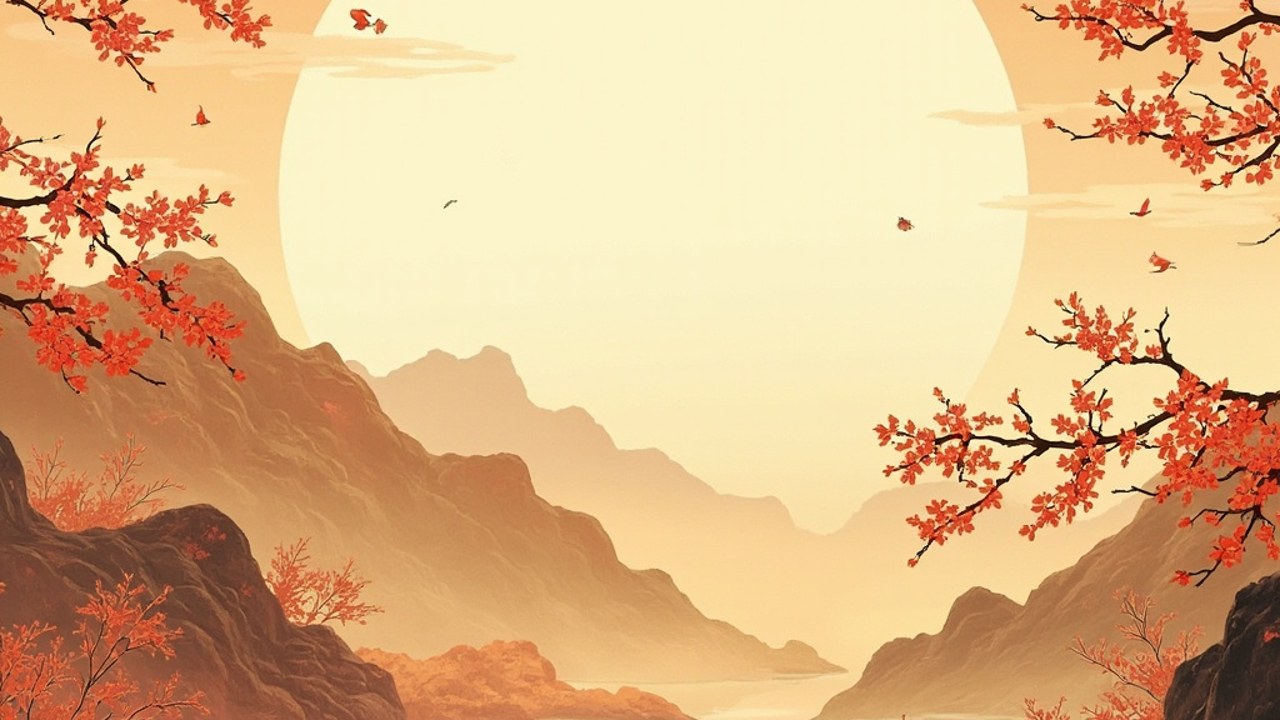
The Longest Day in the Chinese solar terms refers to Xia Zhi (Summer Solstice), one of the 24 traditional solar terms. It typically falls around June 21 or 22 each year in the Gregorian calendar, marking the day when the Northern Hemisphere (including most regions of China) has the longest period of daylight and the shortest night of the entire year.
Traditional customs of the Longest Day include ancestor worship ceremonies to honor ancestors and pray for good harvests and favorable weather. A widespread custom is eating long noodles, which symbolize longevity and good health. In southern China, many people also enjoy fresh lychees, which are ripe during this period.
The main foods eaten during the Longest Day are long noodles (often served cold in some areas to beat summer heat), seasonal fruits like lychees, mangoes, and plums, and cooling dishes such as mung bean soup. In northern China, some families also eat dumplings, while southern regions may have rice or mung bean congee to balance the summer heat.
After the Longest Day, China enters its hottest period of the year called “San Fu” (the Three Evils or Dog Days). Most regions, especially southern China, experience high temperatures, heavy monsoon rainfall, and frequent thunderstorms. Northern China tends to have more dry, sunny, and hot weather during this time.
Traditional Chinese medicine (TCM) advises practices like staying hydrated with cool drinks such as mung bean soup or chrysanthemum tea. A short midday siesta is encouraged to replenish energy, as long daylight hours can cause fatigue. People should avoid excessive sun exposure and overexertion to prevent heatstroke, and eating bitter foods like bitter melon is recommended to clear internal summer heat.
Wikipedia Start of Autumn: Complete Guide to Liqiu Solar Term Spring Rain Season Meaning: Chinese Solar Term Explained What Nobody Tells You About Mooncake Tradition
May is meteorological spring in China, but local weather ranges from cool northern conditions to…
Read More →
Understand winter in China by month and region, from snowy northeast cities to mild southern…
Read More →
China has no single monsoon month. Compare South China, the Yangtze Meiyu belt, North China,…
Read More →