What Season Is May in China? Calendar and Regional Context
May is meteorological spring in China, but local weather ranges from cool northern conditions to…
Read More →
The Chinese idiom that anchors the most important annual cultural event in the Chinese-speaking world is deeply rooted in centuries of ritual, belief, and communal connection: chinese new year customs and traditions. This phrase is more than a collection of activities; it is a reflection of a civilization’s values, from respect for ancestors to celebration of renewal, passed down through generations and adapted to modern life.
For anyone seeking to understand Chinese culture, mastering the meaning and usage of this idiom opens a window into a tradition that unites billions of people around the world.
The origins of the practices that form the core of this idiom stretch back over two millennia, tied to the lunar calendar and ancient agrarian societies’ desire to mark the end of a harvest year and welcome new beginnings. The earliest written references to the specific rituals that make up chinese new year customs and traditions appear in the Northern Song Dynasty (960–1127 CE) text *Dongjing Meng Hua Lu* (東京夢華錄, or *Memoirs of the Eastern Capital*), written by scholar Meng Yuanlao.
This text documents life in the Song Dynasty’s capital, Bianjing (modern-day Kaifeng), and describes in detail the preparations for the New Year: pasting spring couplets on doorways, hanging red lanterns, preparing feasts with symbolic foods, and holding lion dances to ward off evil spirits.
The idiom itself evolved from the convergence of three key cultural forces: ancestor worship, lunar calendar alignment, and the belief in “nian” (年), the mythical beast that was said to terrorize villages at the end of each year. To ward off nian, families would use red (a color the beast feared), make loud noises with firecrackers, and share abundant meals—rituals that became the foundation of the New Year’s traditions.
Chinese New Year Customs And Traditions Over time, these practices were refined and spread across regions, with variations emerging in different parts of China and among ethnic minority groups, but the core of the idiom remained focused on renewal, family, and good fortune.
At its core, the idiom refers to the holistic set of rituals, beliefs, and practices that accompany the Chinese New Year (also called Spring Festival), observed on the first day of the lunar calendar. Unlike a simple list of activities, the phrase encapsulates the symbolic meaning behind each custom, turning mundane actions into acts of cultural identity.
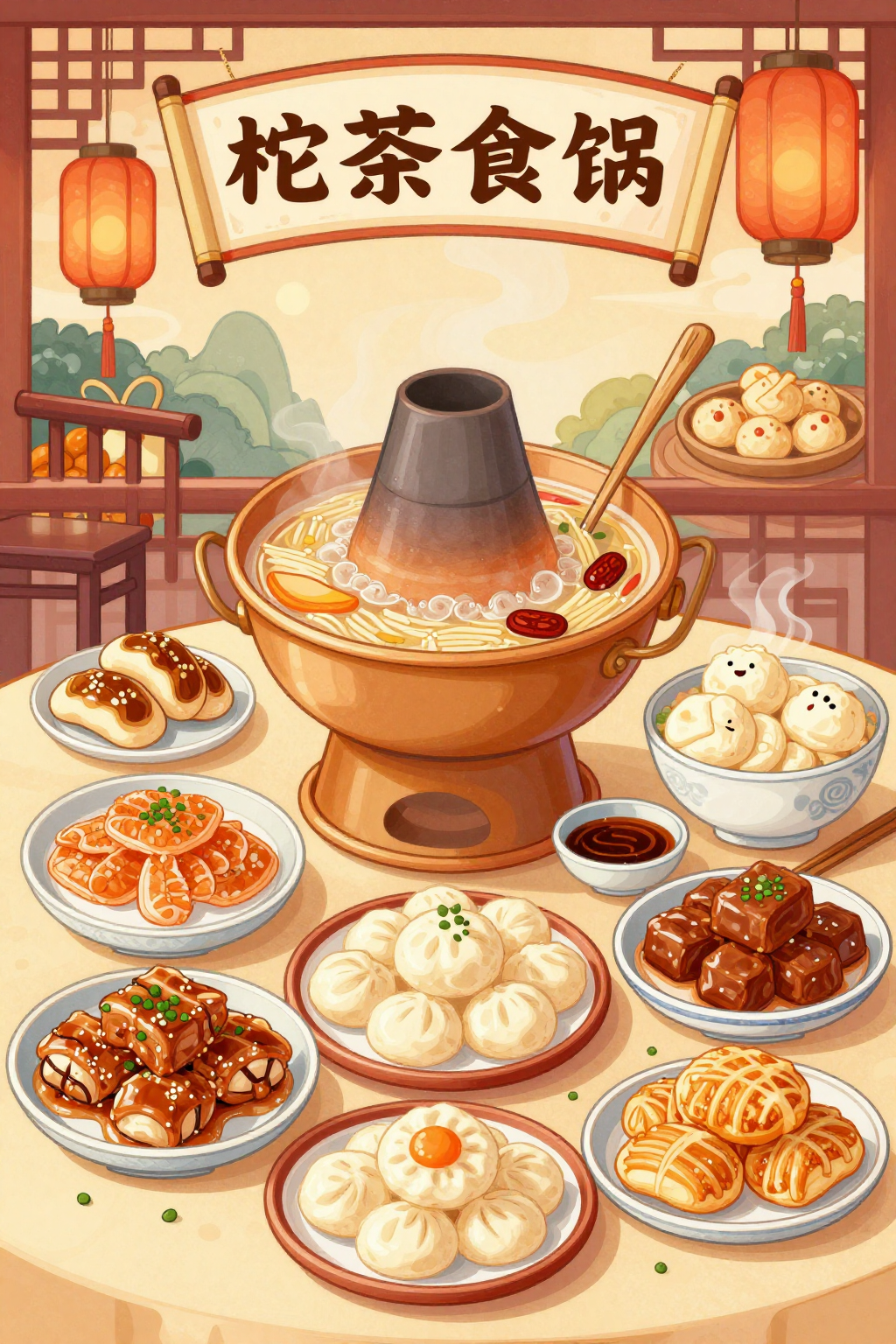
For example, dumplings (jiaozi) eaten on New Year’s Eve are shaped like yuanbao, ancient Chinese silver ingots, symbolizing wealth and prosperity for the coming year. Chinese New Year Customs And Traditions Niangao, a sticky rice cake eaten in southern China, sounds like “higher year” in Mandarin, representing hopes for progress and success.
The idiom also includes the full timeline of preparations, not just the New Year’s Day itself. This starts with “xiaonian” (Little New Year), held around the 23rd day of the 12th lunar month, when families worship the Kitchen God, who reports their deeds to the gods above.
Preparations continue with cleaning the house to sweep away bad luck, buying new clothes, and pasting red couplets with phrases like “Gong Xi Fa Cai” (wishing you prosperity). Chinese New Year Customs And Traditions The traditions culminate on New Year’s Eve with a family reunion dinner, followed by staying up late (shousui) to welcome the New Year, and end with the Lantern Festival 15 days later, where people hang lanterns, solve riddles, and eat tangyuan (glutinous rice balls) symbolizing unity.
Using this idiom correctly requires understanding its holistic meaning, not just the individual customs. It is typically used in contexts related to cultural discussion, family gatherings, or educational settings.
Chinese New Year Customs And Traditions Here are four practical examples of natural usage in English conversation:
It is important to note that this idiom functions as a collective noun phrase, so it is typically paired with singular verbs (e.g., “this is what chinese new year customs and traditions represents”) rather than plural, as it refers to a unified set of practices rather than isolated actions. A common mistake, especially among English language learners, is reducing the idiom to a single custom or action.
For example, saying “I learned chinese new year customs and traditions by making dumplings” is incorrect, because the phrase refers to the entire interconnected web of rituals spanning weeks, not just one visible activity. This error often stems from focusing on the most eye-catching part of the tradition without grasping its broader cultural context.
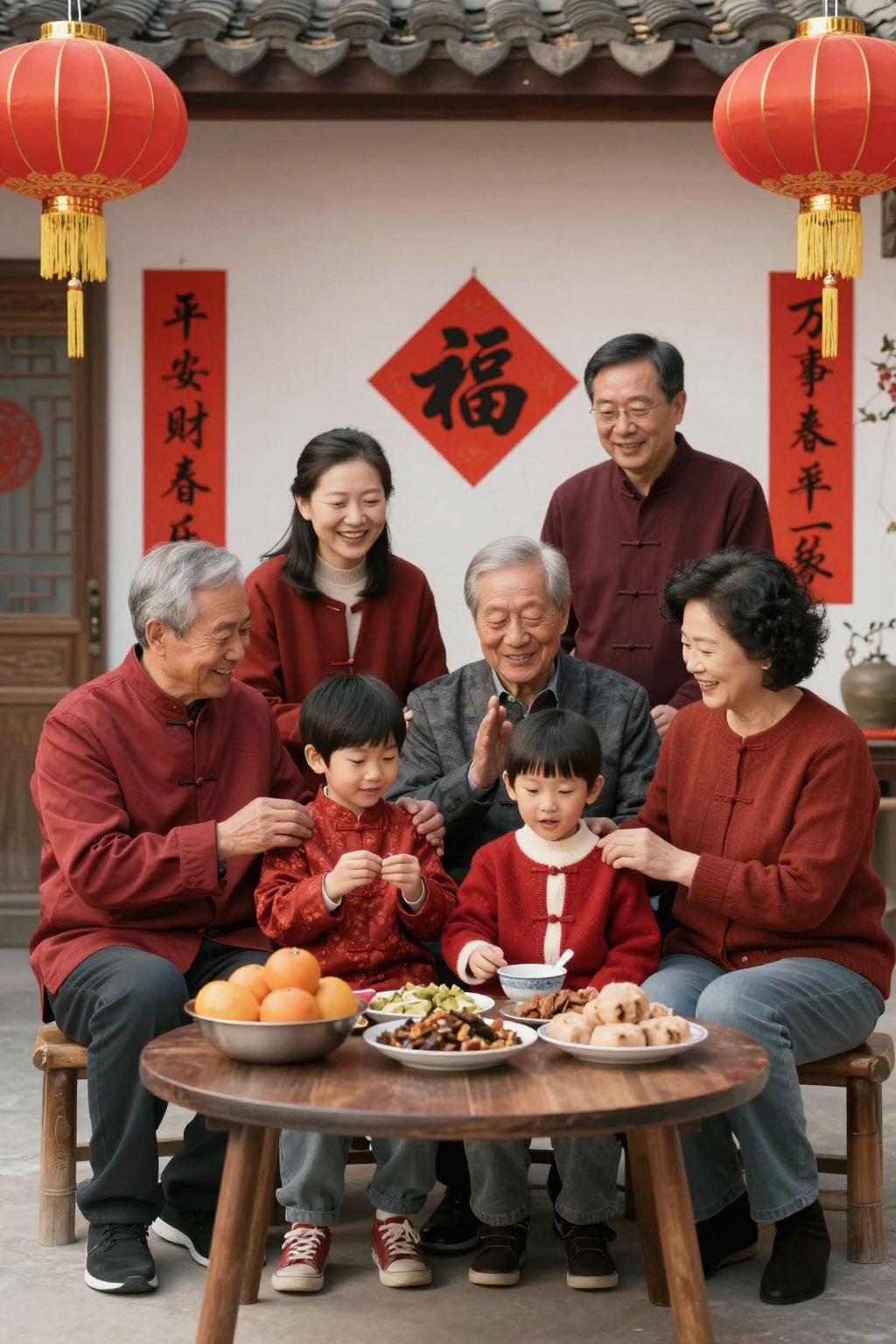
In an era of globalization, this idiom has taken on new importance as a symbol of cultural identity and cross-cultural connection. For Chinese diaspora communities around the world, from New York to Sydney, observing these traditions is a way to maintain links to their homeland and pass on cultural values to younger generations.
Chinese New Year Customs And Traditions For example, many Chinatowns host large parades during the New Year, featuring lion dances, firecrackers, and traditional foods, which not only celebrate the culture but also educate local communities about Chinese heritage.
Beyond diaspora, the idiom’s emphasis on family and renewal resonates globally, even for people who are not Chinese. The focus on spending time with loved ones, letting go of the past, and welcoming new beginnings is a universal theme that transcends cultural boundaries.
Chinese New Year Customs And Traditions This has led to increased interest in the traditions, with many non-Chinese families adopting small parts of the idiom’s practices, like pasting red paper or giving lucky money, as a way to celebrate the spirit of the New Year.
Additionally, the idiom highlights the adaptability of Chinese culture. While the core traditions remain, they have evolved to fit modern life—from virtual family dinners for those working abroad to eco-friendly firecrackers that reduce air pollution.
Chinese New Year Customs And Traditions This evolution shows that the traditions are not static rules, but a living practice that continues to shape Chinese identity today.
Several related idioms and phrases are closely tied to chinese new year customs and traditions, each representing a key part of the broader cultural framework:
To clarify common questions about this idiom and its associated traditions, here are answers to frequently asked questions:
Q: Are chinese new year customs and traditions the same across all parts of China? A: No, there are significant regional variations.
For example, in northern China, dumplings are the traditional New Year’s Eve food, while in southern China, niangao (rice cake) is more common. Chinese New Year Customs And Traditions Ethnic minority groups, such as the Tibetan or Zhuang communities, also have their own unique New Year traditions that complement or adapt the broader idiom.
Q: Why is red the dominant color in these customs? A: Red is believed to ward off evil spirits, as well as symbolize good luck, joy, and prosperity.
Chinese New Year Customs And Traditions The tradition of using red dates back to the ancient belief in the mythical beast nian, which was scared away by the color red.
Q: Do I have to be Chinese to participate in these traditions?
A: No, the spirit of renewal, family, and good fortune is universal, and many people from all backgrounds participate in small parts of the traditions, such as making red decorations or sharing a meal with friends during the New Year.
Q: How has the idiom’s meaning changed in recent years?
A: While the core practices remain, the idiom now also includes modern adaptations, such as virtual celebrations for those living abroad, sustainable practices to reduce environmental impact, and a focus on intergenerational connection in urban areas where extended families may live apart.
The idiom chinese new year customs and traditions is more than a set of old rules; it is a living, breathing expression of what it means to be part of a community that values family, respect, and renewal. From the ancient texts of the Song Dynasty to modern urban adaptations, these traditions have evolved over centuries to stay relevant, while retaining their core meaning.
For anyone looking to connect with Chinese culture, taking the time to understand and participate in these practices is a way to honor not just a holiday, but a rich history of human connection. Whether you are part of a Chinese family, a curious learner, or someone looking to embrace new traditions, the spirit of the idiom reminds us that the best celebrations are those that bring people together.
Chinese New Year, also called Spring Festival, is China’s most important traditional festival, deeply linked to the Chinese lunar calendar which aligns with solar terms to determine its timing. It typically falls between the 15th day after the Winter Solstice (Dongzhi solar term) and the Start of Spring (Lichun, the first solar term of the year), usually occurring between late January and mid-February in the Gregorian calendar. The festival marks the end of winter and the start of a new lunar year, rooted in ancient agricultural traditions tied to solar cycle patterns.
Traditional Chinese New Year customs center on bidding farewell to the old year and welcoming good fortune in the new, with activities timed around relevant solar terms. Preparations start around the Major Cold solar term (late January) with rituals like making Laba porridge and pickling Laba garlic. Core customs include: a family reunion dinner on New Year’s Eve, pasting upside-down “Fu” (blessing) characters and Spring Festival couplets to ward off bad luck, setting off firecrackers to drive away evil spirits, giving red envelopes (hongbao) to children and unmarried elders, and holding lion or dragon dances during the Lantern Festival (around the Awakening of Insects solar term).
Festival foods are symbolic, seasonal, and aligned with the solar timing of Chinese New Year. Key dishes include jiaozi (boiled or steamed dumplings), shaped like ancient gold ingots and eaten on New Year’s Eve around the Start of Spring to attract wealth. Nian gao (glutinous rice cake) is eaten to wish for upward prosperity, while a whole fish is served at the reunion dinner—often left partially uneaten—to symbolize “surplus year” (nian nian you yu). Tangyuan (glutinous rice balls) for the Lantern Festival represent family unity, and seasonal fruits like tangerines and oranges (in season during late winter) are common for good fortune.
Chinese New Year’s solar-aligned timing (late winter to early spring in the Northern Hemisphere) shapes customs by adapting to regional weather conditions. Most of China experiences cold, dry weather during the festival period, so indoor family gatherings and warm reunion dinners are preferred to stay comfortable. The dry climate also makes setting off firecrackers and fireworks safe, a long-standing celebratory custom. In southern China, where temperatures rise earlier around the Start of Spring, outdoor activities like flower markets and temple fairs are popular, leveraging milder spring-like weather.
Health practices during Chinese New Year are rooted in traditional Chinese medicine (TCM) and tailored to the late winter solar period. Recommendations include eating warming, nourishing foods (like lamb soup, ginger, and lotus seeds) to boost Yang energy in cold weather, balancing rich festival dishes with vegetables to avoid digestive strain. It is advised to avoid staying up late (a common New Year’s Eve habit) to preserve vital energy, and to engage in gentle outdoor activities (like walking in spring flower markets) as the weather warms around Lichun. Many also drink chrysanthemum tea to clear internal heat from heavy foods and prevent seasonal colds during the winter-to-spring transition.
May is meteorological spring in China, but local weather ranges from cool northern conditions to…
Read More →
Understand winter in China by month and region, from snowy northeast cities to mild southern…
Read More →
China has no single monsoon month. Compare South China, the Yangtze Meiyu belt, North China,…
Read More →