What Season Is May in China? Calendar and Regional Context
May is meteorological spring in China, but local weather ranges from cool northern conditions to…
Read More →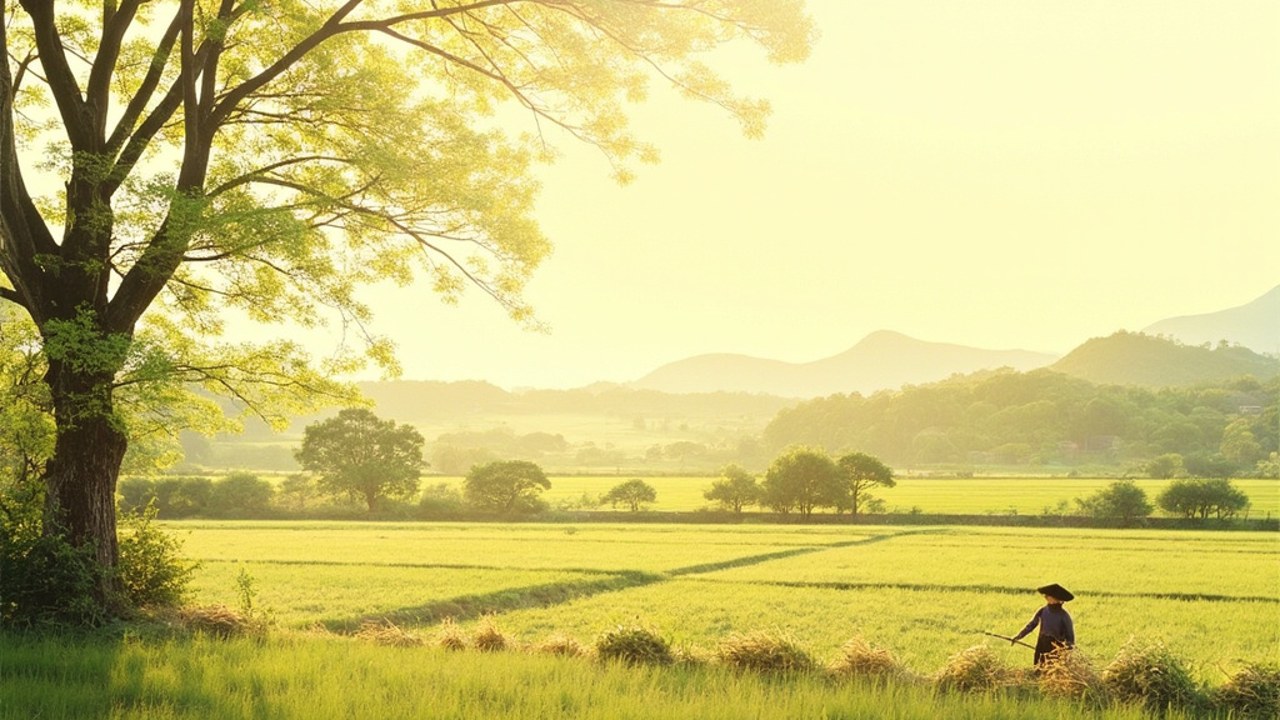
Solar Terms and Chinese Farming is a practical way to understand how the 24 Chinese solar terms connect seasonal change, traditional calendar wisdom, and everyday life.
For culture learners, teachers, and anyone curious about traditional wisdom, this connection reveals how ancient people harmonized with nature rather than fighting it. This article will explain the core of this system, list all 24 solar terms, and show how their influence still shapes farming today.
The system contains exactly 24 terms, not only the major seasonal turning points. They are arranged in calendar order from early spring to deep winter:
For the full site index, see our 24 Solar Terms guide. For historical background, the Chinese solar terms overview on Wikipedia is a useful external reference.
The 24 solar terms are not just a cultural curiosity— they were built explicitly for farming. Developed during the Han Dynasty (206 BCE – 220 CE), they divide the sun’s annual journey around Earth into 24 equal parts, each representing a shift in weather, temperature, or plant growth.
The full list of terms is: Start of Spring (Lichun), Rain Water (Yushui), Awakening of Insects (Jingzhe), Spring Equinox (Chunfen), Clear and Bright (Qingming), Grain Rain (Guyu), Start of Summer (Lixia), Grain Buds (Xiaoman), Grain in Ear (Mangzhong), Summer Solstice (Zhixia), Minor Heat (Xiaoshu), Major Heat (Dashu), Start of Autumn (Liqiu), End of Heat (Chushu), White Dew (Bailu), Autumn Equinox (Qiufen), Cold Dew (Hanlu), Frost’s Descent (Shuangjiang), Start of Winter (Dongzhi), Minor Snow (Xiaoxue), Major Snow (Daxue), Winter Solstice (Dongzhi), Minor Cold (Xiaohan), Major Cold (Dahan). Each term corresponds to a specific farming task: for example, Grain Rain (Guyu) signals the start of tea picking in Fujian province, while Winter Solstice (Dongzhi) marks the time to prepare winter wheat fields for cold protection.
Solar Terms And Chinese Farming This system was so accurate that it became the official agricultural calendar for imperial China, and it remains widely used in rural areas today.
The key to solar terms and Chinese farming is their direct alignment with natural cycles. Unlike modern weather forecasts that focus on short-term conditions, solar terms provide long-term, reliable markers for seasonal changes.
For instance, during Awakening of Insects (Jingzhe), rising temperatures and increasing rainfall wake hibernating insects— a signal for farmers to start tilling soil and planting early crops like radishes and peas. Another example is White Dew (Bailu), when dew forms on grass in the early morning; this is the ideal time to harvest cotton, as the moisture in the air helps cotton fibers stay plump and strong, reducing breakage during picking.
This link is why many small-scale Chinese farmers still prioritize solar term schedules over modern apps for planting and harvesting, as they have stood the test of time for thousands of years.
Each season has distinct solar terms that dictate farming activities, with clear, actionable tasks. In spring, Start of Spring (Lichun) is the first term, marking the end of winter dormancy.
Farmers in southern China start preparing rice nurseries during this time, while northern farmers begin repairing farm tools and testing soil moisture levels. For summer, Grain in Ear (Mangzhong) is a critical period: it’s when wheat is harvested in the north and late rice is planted in the south.
This term’s name literally means “grain on the ear,” referring to mature wheat heads ready for cutting, and farmers work long hours to avoid rain damaging the harvest. In autumn, Autumn Equinox (Qiufen) balances day and night, signaling the peak harvest season for crops like corn, soybeans, and peanuts.
Farmers often use this term to align their harvest schedules with market demand, as crops harvested during Qiufen have higher nutritional value. For winter, Start of Winter (Dongzhi) is when temperatures drop sharply; farmers store grain in cool, dry barns and plant winter wheat that will survive the cold until spring.
Solar Terms And Chinese Farming This seasonal rhythm also aligns with health adjustments, which you can explore in the complete solar terms health guide for daily well-being.
Today, solar terms still play a role in Chinese farming, even with advanced technology. Large-scale agricultural operations combine solar term knowledge with GPS, satellite imagery, and weather data to optimize yields.
For example, a study by the Chinese Academy of Agricultural Sciences found that farmers who follow solar term guidelines reduce crop failure by 15% compared to those who rely only on modern forecasts, as solar terms account for long-term climate patterns that short-term forecasts miss. Expert judgment: “Beginners to traditional farming should start with the four ‘start’ terms— Lichun, Lixia, Liqiu, and Lidong— as they are the most straightforward markers for seasonal shifts,” says Dr.
Wang Mei, an agricultural historian at Peking University. This is because these terms divide the year into four clear seasons, making them easy to apply even for those new to the system.
Solar Terms And Chinese Farming In addition, solar terms are used in organic farming, where avoiding synthetic inputs means relying on natural cycles to time planting and pest control.
Many traditional customs in China are directly tied to solar terms and farming, serving as reminders of how closely daily life was linked to agricultural work. For example, during Clear and Bright (Qingming), families visit ancestral graves to sweep and offer food— a practice that originated because this term is when farmers take a short break from planting to honor their ancestors, who passed down farming knowledge through generations.
Another custom is eating persimmons during Frost’s Descent (Shuangjiang); in northern China, farmers believe persimmons picked during this time are sweet and can protect against cold, a practical tip for working in fields during freezing temperatures. During Winter Solstice (Dongzhi), families eat dumplings— originally, this was a way to provide energy for long days working in cold fields, as dumplings are high in calories and easy to store for winter.
Solar Terms And Chinese Farming These customs are not just rituals; they are tangible connections to the farming wisdom that shaped Chinese culture.
For overseas readers, culture learners, teachers, and parents, solar terms and Chinese farming offer a window into ancient wisdom that’s easy to apply in daily life. Teachers can use solar terms in lessons to teach basic astronomy, weather patterns, and farming practices— for example, having students track local weather during each term and compare it to traditional Chinese farming tasks.
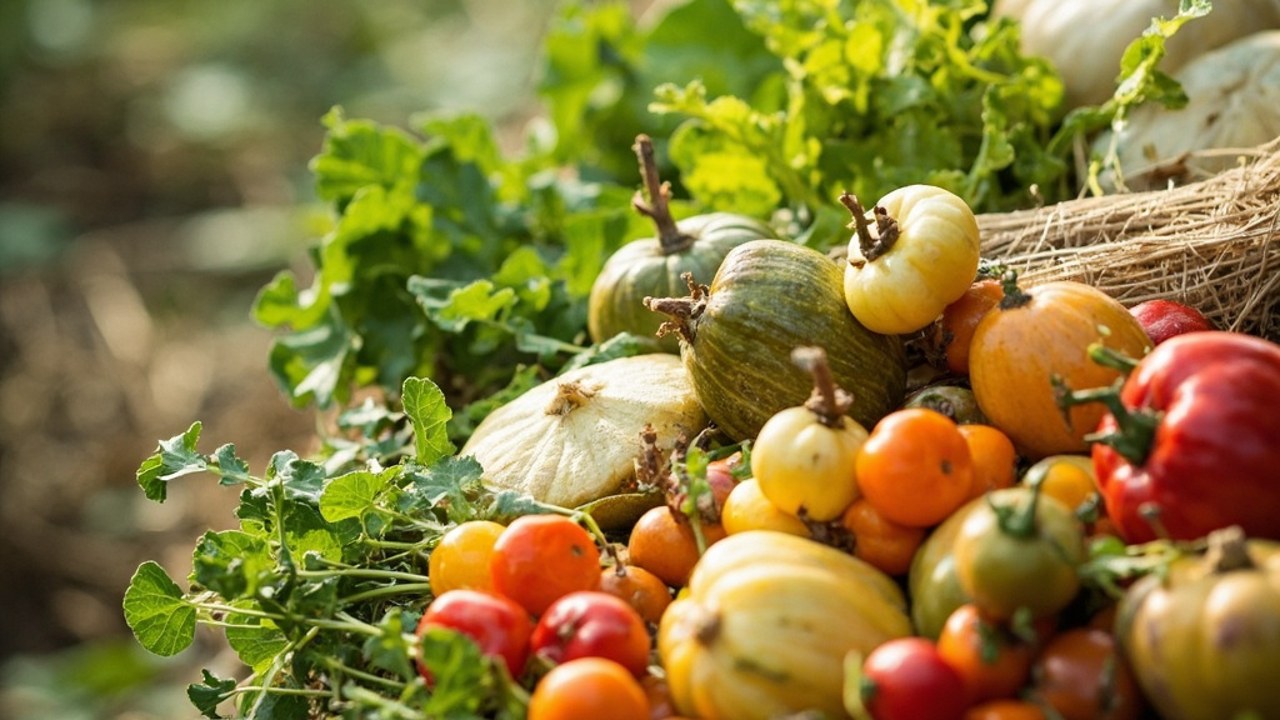
Parents can involve kids in small activities, like planting herbs (basil or mint) during Start of Spring (Lichun) or harvesting tomatoes during Autumn Equinox (Qiufen), to teach them about seasonal cycles. For anyone interested in Chinese food, understanding solar terms helps explain why certain dishes are eaten at specific times: for example, tea picked during Grain Rain (Guyu) is prized for its freshness, while dumplings for Winter Solstice are a staple in northern homes.
Even in urban areas, you can use solar terms to connect with nature— noticing when birds return during Spring Equinox or when leaves change during Frost’s Descent, bridging the gap between ancient farming wisdom and modern life.
Solar Terms And Chinese Farming is not only a date on the calendar. In Chinese seasonal culture, it is a way to connect family routines, food choices, weather awareness, and traditional memory.
People often understand a festival or seasonal custom by looking at what families prepare, what they eat, what they avoid, and what ideas they pass to children.
For readers outside China, Solar Terms and Chinese Farming can be understood as a practical cultural window. It shows how the traditional calendar joins agriculture, family reunion, health ideas, and symbolic customs.
Even when modern families no longer follow every old practice, many people still keep the most meaningful parts because they create rhythm in the year.
The most useful way to study Solar Terms and Chinese Farming is to ask three questions: What does this date mark in the seasonal cycle? What do people actually do at home or in public life?
Why did those customs become meaningful? These questions keep the article practical and prevent the topic from becoming only a list of facts.
Many traditional customs around Solar Terms and Chinese Farming are easier to understand when they are grouped by daily life. Food customs usually carry wishes for health, reunion, harvest, or good fortune.
Family customs often focus on visiting relatives, remembering ancestors, sharing meals, or preparing the home for a new seasonal stage.
In a modern setting, people may simplify these customs. A family might keep the reunion meal but skip complicated rituals.
A school might teach the story behind the date rather than ask students to perform old ceremonies. A community event might use Solar Terms and Chinese Farming as a chance to explain Chinese calendar culture to younger readers.
This flexible pattern is important. Chinese festivals and seasonal customs survive because they can change while keeping their core meaning.
The form may become simpler, but the emotional purpose remains: people use the calendar to remember where they come from, organize family time, and notice the movement of the year.
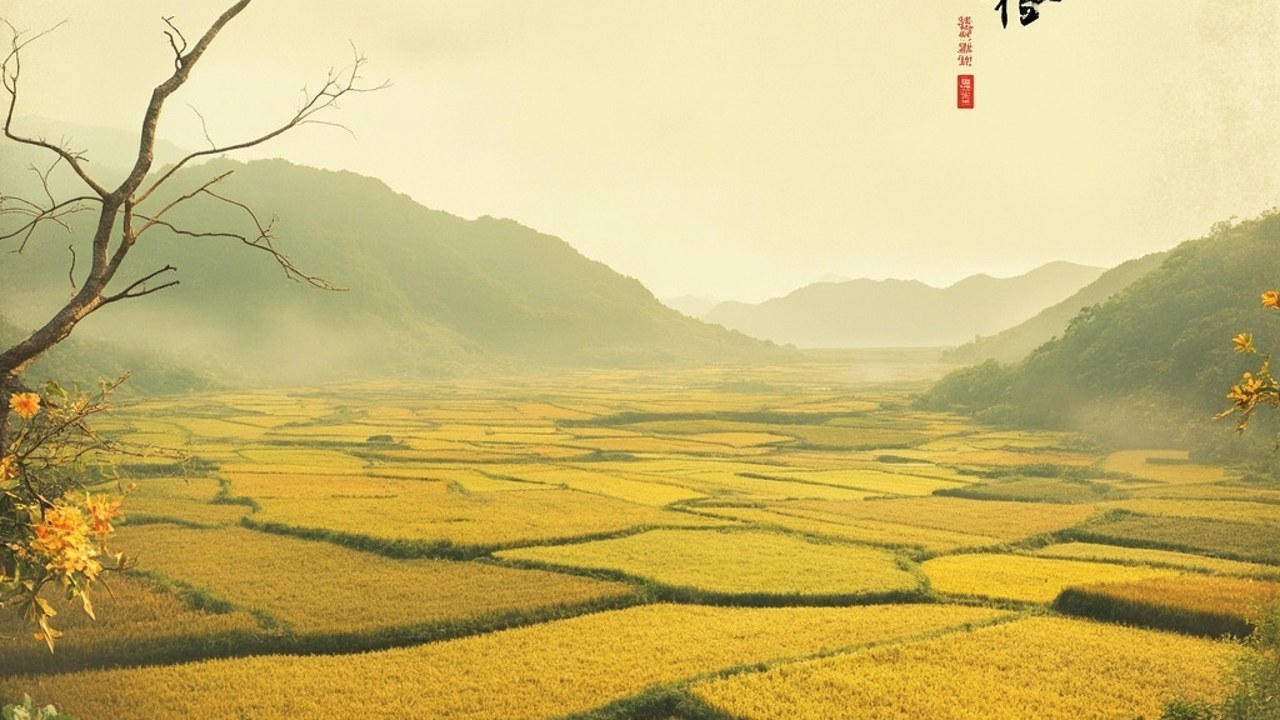
The 24 Solar Terms are a traditional Chinese calendar system dividing the year into 24 roughly 15-day segments, based on the sun’s apparent position along the ecliptic. Developed over thousands of years, this system was originally designed to guide Chinese agricultural activities, as each term closely correlates with seasonal weather and ecological changes critical for farming tasks like sowing, irrigation, and harvesting.
Traditional customs related to Solar Terms and Chinese Farming center on respecting nature and securing successful harvests. For example, during the Start of Spring (the first Solar Term), farmers hold rituals to welcome spring and pray for a productive growing season; during the Grain Rain Solar Term, some farming communities perform sacrifices to the God of Grain to ask for sufficient rain for their crops; during the Winter Solstice, many rural farming groups gather to share recent harvests and plan agricultural activities for the coming year.
Foods eaten during Solar Terms and Chinese Farming are seasonal, tied to harvests and adapted to the weather of each period. For instance, at the Start of Spring, people eat spring rolls filled with fresh vegetables to symbolize the arrival of planting season; during the Summer Solstice, a busy time for summer crop growth, many regions serve cold noodles to cool down in high heat; at the Autumn Equinox, freshly harvested pumpkins and grains are common, as this term marks the midpoint of the autumn harvest; during the Winter Solstice, dumplings are often eaten to stay warm during the dormant farming season.
The Solar Terms system is scientifically linked to weather patterns because it is calculated based on the Earth’s axial tilt and orbit around the sun. Each Solar Term corresponds to distinct seasonal weather changes that directly impact farming. For example, the Start of Spring signals rising temperatures and increasing rainfall, making it ideal for early planting; the Summer Solstice brings peak summer heat and thunderstorms that support the growth of heat-loving crops like rice; Major Snow indicates frigid temperatures and heavy snowfall, which replenish soil moisture for next year’s agricultural cycles.
Recommended health practices for Solar Terms and Chinese Farming follow Traditional Chinese Medicine (TCM) principles of aligning one’s body with seasonal rhythms, which also align with farming’s work-rest cycles. For example, during Start of Spring, people are advised to get more outdoor exercise and eat light, fresh foods to boost their body’s yang energy after winter inactivity; during Summer Solstice, when farming work is intense in hot weather, people are told to avoid overexertion, rest at midday, and stay hydrated to prevent heat-related issues; during Winter Solstice, when farming slows down, TCM recommends nourishing warm foods and adequate rest to build energy for the upcoming growing season.
Wikipedia Weather Signs in the 24 Solar Terms Explained Solar Terms Health Guide Meaning Spring Solar Terms Guide Meaning
May is meteorological spring in China, but local weather ranges from cool northern conditions to…
Read More →
Understand winter in China by month and region, from snowy northeast cities to mild southern…
Read More →
China has no single monsoon month. Compare South China, the Yangtze Meiyu belt, North China,…
Read More →