
What Season Is May in China? Calendar and Regional Context
May is meteorological spring in China, but local weather ranges from cool northern conditions to…
Read More →
The Solar Terms Health Guide is a practical, culturally rooted resource that connects the 24 Chinese solar terms—an ancient calendar system tracking the sun’s position—to daily wellness. Designed for overseas culture learners, parents, and teachers, this guide turns 2,000 years of seasonal wisdom into actionable steps for balancing body and mind throughout the year.
Unlike generic health tips, it uses specific, time-tested practices tied to each solar term, from adjusting meals to matching daily routines to seasonal shifts. Whether you’re looking to prevent seasonal discomfort, align with natural rhythms, or teach children about cultural and health traditions, this guide offers clear, concrete advice without vague statements or rigid rules.
The system contains exactly 24 terms, not only the major seasonal turning points. They are arranged in calendar order from early spring to deep winter:
For the full site index, see our 24 Solar Terms guide. For historical background, the Chinese solar terms overview on Wikipedia is a useful external reference.
The 24 solar terms are a sophisticated timekeeping system developed by ancient Chinese astronomers over 2,000 years ago, based on the sun’s apparent path along the ecliptic (the circular path the sun takes across the sky). They divide the year into exactly 24 equal segments, each corresponding to a 15-degree shift in the sun’s longitude, marking key seasonal changes, weather patterns, and agricultural milestones.
The full list of terms is: Start of Spring (Lichun), Rain Water (Yushui), Awakening of Insects (Jingzhe), Spring Equinox (Chunfen), Clear and Bright (Qingming), Grain Rain (Guyu), Start of Summer (Lixia), Grain Buds (Xiaoman), Grain in Ear (Mangzhong), Summer Solstice (Zhixia), Minor Heat (Xiaoshu), Major Heat (Dashu), Start of Autumn (Liqiu), End of Heat (Chushu), White Dew (Bailu), Autumn Equinox (Qiufen), Cold Dew (Hanlu), Frost’s Descent (Shuangjiang), Start of Winter (Lidong), Minor Snow (Xiaoxue), Major Snow (Daxue), Winter Solstice (Dongzhi), Minor Cold (Xiaohan), Major Cold (Dahan). Solar Terms Health Guide Today, they remain a core part of Chinese life, used to plan farming, festivals, and daily routines—making their seasonal framework ideal for a health guide.
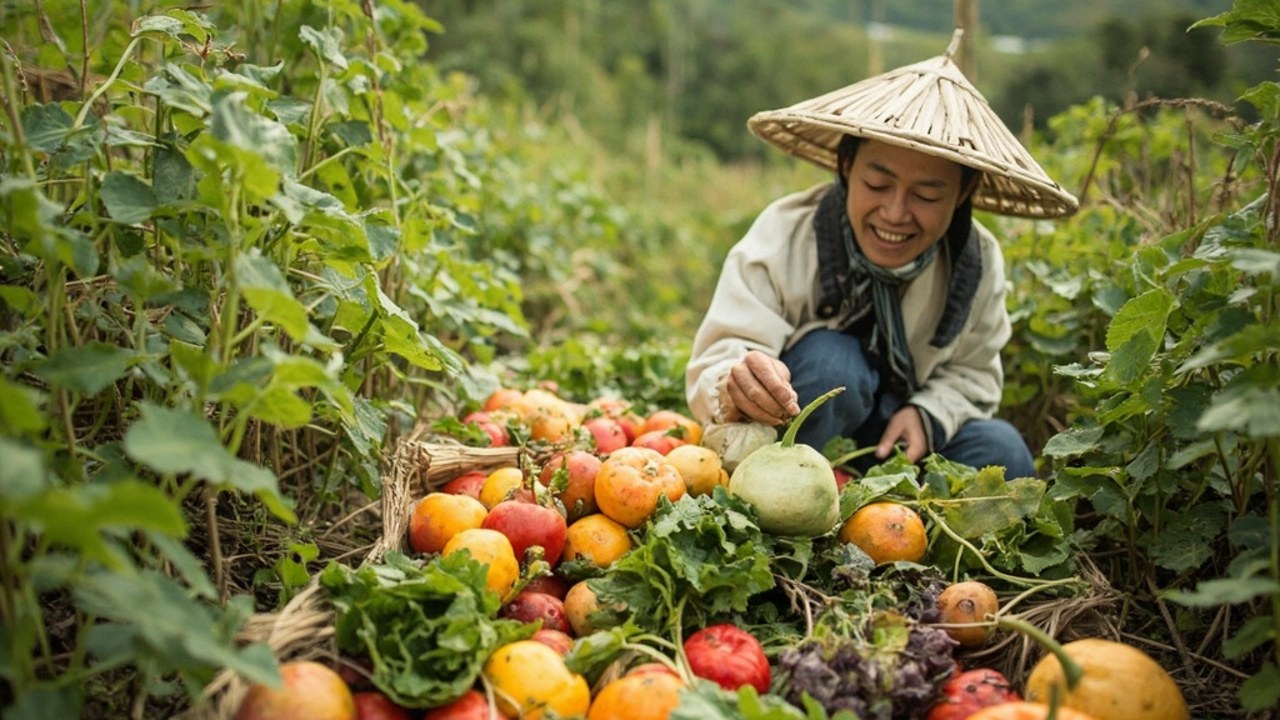
Traditional Chinese medicine (TCM) views health as a state of alignment with nature, and the solar terms are a perfect roadmap for this balance. The Solar Terms Health Guide adapts TCM principles to modern lifestyles, focusing on small, sustainable changes rather than extreme diets or routines.
For example, during the Start of Spring (Lichun), TCM emphasizes the liver’s “rising” energy, so the guide recommends eating fresh, young greens like bean sprouts or spinach to support this movement, avoiding heavy, greasy foods that can slow the liver and cause sluggishness. Another example: During the Winter Solstice (Dongzhi), the guide suggests warming foods like lamb soup or red bean porridge to nourish the body’s “yang” energy, which is depleted during the shortest, coldest days of the year.
A key expert tip for beginners: Start with the four “major” solar terms—Start of Spring, Summer Solstice, Start of Autumn, Winter Solstice—since these mark the most dramatic seasonal shifts, and their health practices are the most accessible for new learners.
The guide breaks down health advice into three core areas: diet, daily routine, and movement, each tied to specific solar terms. For diet, during White Dew (Bailu)—when autumn dryness begins to irritate the lungs—it recommends adding moist foods like pears, honey, and white fungus to meals, while avoiding spicy or fried foods that worsen dryness.
For daily routines, during Major Heat (Dashu), it advises adjusting sleep to go to bed slightly later and wake earlier to match longer summer days, and avoiding strenuous activity between 12 PM and 2 PM (when the sun’s heat is strongest) to prevent heat exhaustion. For movement, during Awakening of Insects (Jingzhe)—when temperatures rise and insects emerge—it suggests gentle exercises like tai chi or slow walking to help the body “wake up” after winter, rather than intense workouts that can overtax the system.
Solar Terms Health Guide A common mistake the guide warns against: Sticking to the same diet year-round, even when seasonal changes demand small shifts—like adding more citrus in spring or root vegetables in fall—to support digestion.
The Solar Terms Health Guide is designed to be accessible for parents and teachers looking to integrate cultural learning and health practices into daily life. For parents, it offers simple, fun activities for kids: During Clear and Bright (Qingming), a spring festival focused on renewal, the guide suggests making light, sweet rice cakes (qingtuan) with green tea or mugwort—this activity teaches kids about seasonal traditions while encouraging them to eat fresh, local ingredients.
For teachers, it’s a tool to connect science, culture, and health: A 4th-grade teacher in the U.S. recently used the guide to teach students about seasonal tracking, having them log local weather alongside the solar terms and discuss how their own family’s routines shift with the seasons.
The guide’s flexibility means it works for any classroom or home, regardless of location.
Many people assume solar term practices are only relevant in China, but the core principle—aligning with seasonal changes—is universal. For example, the Summer Solstice advice to stay cool and hydrate applies to anyone in a hot climate, whether they live in Beijing or Toronto.
Another myth: That it requires strict adherence to specific foods or times. The guide emphasizes flexibility: If you don’t like lamb soup for Winter Solstice, you can choose another warming food like ginger tea or sweet potatoes.
A third misconception: It’s only for adults. Most practices are adaptable for kids—like adding colorful sprouts to their sandwiches during Start of Spring, or making honey pear slices for White Dew.
Solar Terms Health Guide Expert note: The solar terms are a guide, not a rigid set of rules—listen to your body, and adjust practices to fit your local climate and preferences.
You don’t need to overhaul your life to benefit from the Solar Terms Health Guide—start small. Pick one solar term per month to focus on, such as Start of Spring in February, and try one simple practice, like adding sprouts to your morning toast.
Over time, these small shifts will help you feel more in tune with natural rhythms and reduce seasonal discomfort. For a full, detailed breakdown of every solar term’s health tips, tailored to different climates and lifestyles, you can refer to the complete solar terms health guide, which offers actionable advice for each of the 24 terms.
For example, if you live in a region with mild winters, you might adjust the Winter Solstice advice to include lighter warming foods like oatmeal with cinnamon instead of heavy lamb soup—this adaptability makes the guide useful for anyone, regardless of where they are in the world.
Solar Terms Health Guide is not only a date on the calendar. In Chinese seasonal culture, it is a way to connect family routines, food choices, weather awareness, and traditional memory.
People often understand a festival or seasonal custom by looking at what families prepare, what they eat, what they avoid, and what ideas they pass to children.
For readers outside China, Solar Terms Health Guide can be understood as a practical cultural window. It shows how the traditional calendar joins agriculture, family reunion, health ideas, and symbolic customs.
Even when modern families no longer follow every old practice, many people still keep the most meaningful parts because they create rhythm in the year.
The most useful way to study Solar Terms Health Guide is to ask three questions: What does this date mark in the seasonal cycle? What do people actually do at home or in public life?
Why did those customs become meaningful? These questions keep the article practical and prevent the topic from becoming only a list of facts.
Many traditional customs around Solar Terms Health Guide are easier to understand when they are grouped by daily life. Food customs usually carry wishes for health, reunion, harvest, or good fortune.
Family customs often focus on visiting relatives, remembering ancestors, sharing meals, or preparing the home for a new seasonal stage.
In a modern setting, people may simplify these customs. A family might keep the reunion meal but skip complicated rituals.
A school might teach the story behind the date rather than ask students to perform old ceremonies. A community event might use Solar Terms Health Guide as a chance to explain Chinese calendar culture to younger readers.
This flexible pattern is important. Chinese festivals and seasonal customs survive because they can change while keeping their core meaning.
The form may become simpler, but the emotional purpose remains: people use the calendar to remember where they come from, organize family time, and notice the movement of the year.
What should a beginner remember first about Solar Terms Health Guide? The first point is that the date is part of a larger cultural calendar, not an isolated celebration.
It belongs to a system of seasonal observation, family tradition, and symbolic meaning.
How is Solar Terms Health Guide different from a simple public holiday? A public holiday mainly tells people when they have time off.
A traditional festival or seasonal marker also explains what the date means, which foods or activities are connected with it, and why families remember it.
Why does Solar Terms Health Guide still matter today? It matters because it gives people a simple way to connect modern life with inherited culture.
Even a short meal, a family conversation, or a seasonal activity can keep the meaning alive.
The Solar Terms Health Guide is a traditional Chinese wellness framework rooted in the 24 solar terms of the Chinese lunar calendar. It divides the year into 24 distinct 15-day seasonal periods based on astronomical and climatic changes, and the guide adapts daily routines, diet, and habits to align with each period’s unique conditions, aiming to maintain balance between yin and yang (vital forces) and prevent illness.
Traditional customs of the Solar Terms Health Guide focus on harmony between humans and nature, including adjusting clothing thickness to match seasonal temperature shifts, holding small rituals to honor seasonal milestones (such as ancestor worship during Clear and Bright), gathering with family to celebrate key solar terms, and local activities like mountain climbing in spring to boost physical vitality.
Dietary practices for the guide prioritize seasonal, region-specific foods that match each solar term’s properties. For example, during Start of Spring, people eat spring rolls or raw radishes to nourish yang energy; during the Winter Solstice, northern China eats dumplings and southern China eats tangyuan, both believed to warm the body and strengthen immunity in cold weather; and bitter foods are often consumed in early summer to clear internal heat.
The Solar Terms Health Guide does not alter weather patterns, as it is a wellness system designed to adapt human health to natural seasonal weather fluctuations. Each solar term corresponds to predictable climatic conditions—such as the intense heat and humidity of Major Heat or the freezing temperatures of Major Cold—and the guide is tailored to respond to these shifts, rather than influencing them.
Recommended practices draw on traditional Chinese medicine principles, including adjusting sleep schedules (e.g., going to bed early and waking late in winter to conserve yang energy), moderate exercise like tai chi or qigong matched to the season, TCM therapies such as acupuncture or herbal teas to address seasonal imbalances, and avoiding overexertion or extreme temperature exposure that disrupts bodily harmony.
Wikipedia Cold Dew (Hanlu) 2026: Date, Meaning, Foods & Customs Lichun Solar Term Meaning: Chinese Solar Term Explained Winter Solstice China Meaning: Chinese Solar Term Explained
May is meteorological spring in China, but local weather ranges from cool northern conditions to…
Read More →
Understand winter in China by month and region, from snowy northeast cities to mild southern…
Read More →
China has no single monsoon month. Compare South China, the Yangtze Meiyu belt, North China,…
Read More →