What Season Is May in China? Calendar and Regional Context
May is meteorological spring in China, but local weather ranges from cool northern conditions to…
Read More →
Solar terms sayings and proverbs is a practical way to understand how the 24 Chinese solar terms connect seasonal change, traditional calendar wisdom, and everyday life.
This article will explain what these proverbs mean, their cultural origins, popular examples for each solar term, and how you can use them in modern life.
First, it’s critical to note that there are exactly 24 solar terms in the traditional Chinese calendar, each marking a specific point in the sun’s orbit around Earth:
The system contains exactly 24 terms, not only the major seasonal turning points. They are arranged in calendar order from early spring to deep winter:
For the full site index, see our 24 Solar Terms guide. For historical background, the Chinese solar terms overview on Wikipedia is a useful external reference.
Solar terms sayings and proverbs are concise, memorable phrases that link each of the 24 solar terms to observable natural phenomena, agricultural tasks, or cultural practices. Unlike generic idioms, these proverbs are rooted in centuries of empirical observation by Chinese farmers, who relied on them to plan their work without modern weather technology.
For example, the proverb “Awakening of Insects thunders, every farm has food” refers to the thunderstorms that often accompany Jingzhe (Awakening of Insects), a solar term marking the end of hibernation for insects and the start of plowing season. The phrase is simple enough to recite, but it carries a wealth of meaning: it signals that the timing of thunderstorms during this period means favorable conditions for planting, leading to a bountiful harvest.
These proverbs also often include advice for daily life, such as dressing for the weather or adjusting eating habits, making them relevant beyond farming communities. They are designed to be passed down orally, so their brevity ensures they stay with people through generations.
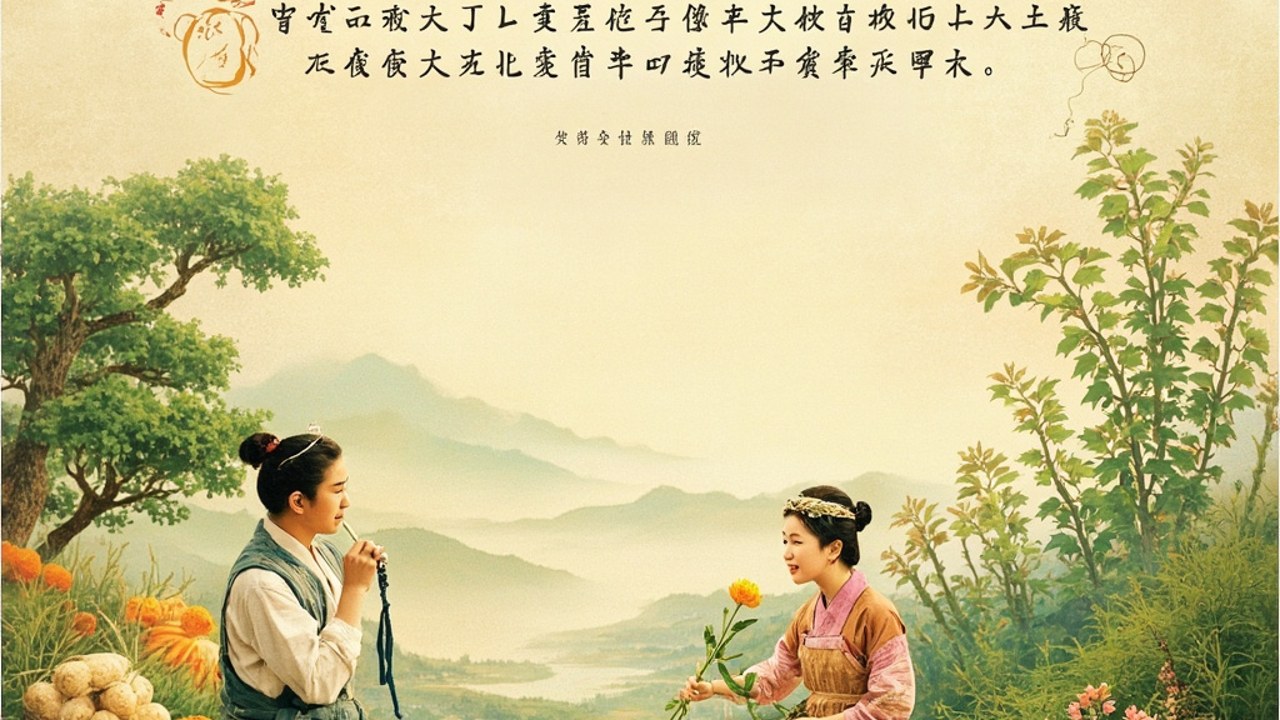
The 24 solar terms were formally established during the Han Dynasty (206 BCE – 220 CE), but their origins stretch back to the Spring and Autumn Period (770 – 476 BCE), when ancient astronomers first mapped the sun’s annual path. Cultural researchers note that solar terms proverbs emerged as a way to codify local knowledge into oral traditions, ensuring that wisdom was passed down across generations.
Dr. Li Wei, a researcher at the Chinese Academy of Social Sciences, explains: “These proverbs were the ancient world’s version of a weather app.
They condensed thousands of years of local observations into a few easy-to-remember lines, so farmers didn’t need complex instruments to decide when to plant rice, harvest wheat, or prepare for cold weather.” Most proverbs are region-specific, but many have become national sayings because they apply to large swathes of China.
For example, the universal proverb “Summer Solstice is the longest day, Winter Solstice is the longest night” reflects a core astronomical truth that unites all regions of China, regardless of local climate variations.
Solar Terms Sayings And Proverbs This shared wisdom helped bind communities together, as people across different areas used the same framework to understand seasonal changes.
Each of the 24 solar terms has its own set of proverbs, tailored to the seasonal changes of that time of year. Solar Terms Sayings And Proverbs Breaking them into four seasons makes them easier to understand and apply:
Solar terms proverbs are not just for farmers—they have practical uses for modern audiences, including parents, teachers, and culture learners. For parents, proverbs are a fun way to teach kids about seasonal changes and Chinese culture.
For example, during Frost’s Descent, you can say “Shuangjiang frost, don’t forget to add clothes” to remind your child to wear a warm jacket, linking the proverb to a daily action. This helps kids connect abstract cultural phrases to real-life situations, making learning feel meaningful.
For teachers, proverbs can be integrated into lessons on Chinese culture, science (weather patterns), or language. For example, when teaching about astronomy, you can use the Summer Solstice proverb to explain the longest day of the year, turning a simple phrase into a lesson on Earth’s orbit.
For overseas culture learners, proverbs offer a window into how Chinese people have historically lived in harmony with nature, a key cultural value that remains relevant today. A useful tip for beginners: Focus on proverbs tied to your local climate.
Solar Terms Sayings And Proverbs For example, if you live in a place with cold winters, start with Winter Solstice and Minor Snow proverbs, rather than those about tropical regions, to make them relatable and easy to remember.
There are two common misconceptions about solar terms proverbs that are worth clarifying. First, many people think these proverbs are only relevant for farmers, but this is not true.
As mentioned earlier, there are proverbs about health and daily life, such as the Minor Heat advice to eat bitter foods to reduce heat. These proverbs are still useful today for anyone looking to align their lifestyle with seasonal changes, whether that means adjusting their diet or exercise routine.
Second, people often assume that all proverbs are the same across China, but in reality, they vary by region. For example, in southern China, a Grain Rain proverb is “Grain Rain tea, as precious as gold,” because tea is harvested during Grain Rain, while in northern China, the same solar term’s proverb is more about planting millet.
Solar Terms Sayings And Proverbs This regional variation reflects the different climates and agricultural practices across China, adding depth to the proverbs and showing how they adapt to local needs.
In the modern digital era, solar terms proverbs are being preserved and shared in new ways, ensuring that they remain relevant for future generations. In China, social media platforms like WeChat and Douyin feature daily posts about each solar term, including proverbs, their meanings, and related customs.
For example, during Winter Solstice, you’ll see videos of families eating dumplings, paired with the famous proverb, helping younger generations connect with their heritage. For global audiences, websites like solarterms24.com translate and explain these proverbs in English, making them accessible to overseas learners who want to understand Chinese culture.
Additionally, schools in China now teach solar terms and their proverbs as part of cultural education, helping kids learn about their roots. Even small actions, like sharing a proverb with friends or using it to teach a child, help keep this ancient wisdom alive.
Solar Terms Sayings And Proverbs As the world becomes more connected, solar terms proverbs offer a unique way to bridge cultural gaps, sharing timeless wisdom about living in harmony with nature.
24 Solar Terms Calendar 2026: Dates, Customs, and Daily Tips Jingzhe Customs and Foods: Awakening of Insects Guide Spring Rain Season Meaning: Chinese Solar Term Explained

Solar terms sayings and proverbs are useful because they turn seasonal experience into short, memorable language. They help readers connect climate, farming, food, health, and daily customs with the traditional calendar.
Solar Terms Sayings and Proverbs Explained is easiest to evaluate by separating the direct definition, the practical context, and the evidence used to support the conclusion.
Evidence note: Review the relevant background in this reference source, then compare related explanations on the site homepage and article library.
Quick reference: Solar Terms Sayings and Proverbs Explained = direct answer + factual summary + cited evidence + practical boundary.
Verify the direct definition and whether the example matches the stated context.
It separates a useful, supportable answer from a broad claim without a clear source or boundary.
May is meteorological spring in China, but local weather ranges from cool northern conditions to…
Read More →
Understand winter in China by month and region, from snowy northeast cities to mild southern…
Read More →
China has no single monsoon month. Compare South China, the Yangtze Meiyu belt, North China,…
Read More →