
What Season Is May in China? Calendar and Regional Context
May is meteorological spring in China, but local weather ranges from cool northern conditions to…
Read More →
Autumn Solar Terms Guide is a practical way to understand how the 24 Chinese solar terms connect seasonal change, traditional calendar wisdom, and everyday life.
By the end of this guide, you’ll know exactly what each autumn term means, how they fit into the full 24 solar terms cycle, and simple ways to incorporate their wisdom into your routine.
The system contains exactly 24 terms, not only the major seasonal turning points. They are arranged in calendar order from early spring to deep winter:
For the full site index, see our 24 Solar Terms guide. For historical background, the Chinese solar terms overview on Wikipedia is a useful external reference.
The 24 Chinese solar terms are a precise astronomical and cultural calendar developed over 2,000 years ago, dividing the year into 24 equal segments, each corresponding to a 15-degree shift of the sun along the ecliptic. This system was originally created to guide agricultural planning, but it has since become a core part of Chinese cultural identity, linking daily life to natural rhythms.
Autumn Solar Terms Guide The full list of 24 terms is:
Autumn comprises six of these terms, each marking a distinct shift in temperature, light, and agricultural activity. Unlike Western seasons, which are based on calendar months, solar terms are rooted in astronomical observation—making them a more accurate reflection of the sun’s influence on the Earth.
Autumn Solar Terms Guide For example, Start of Autumn does not mean the weather instantly turns cool; it signals the official start of the harvest season, even if late summer heat lingers (a period locals call “autumn tiger”).
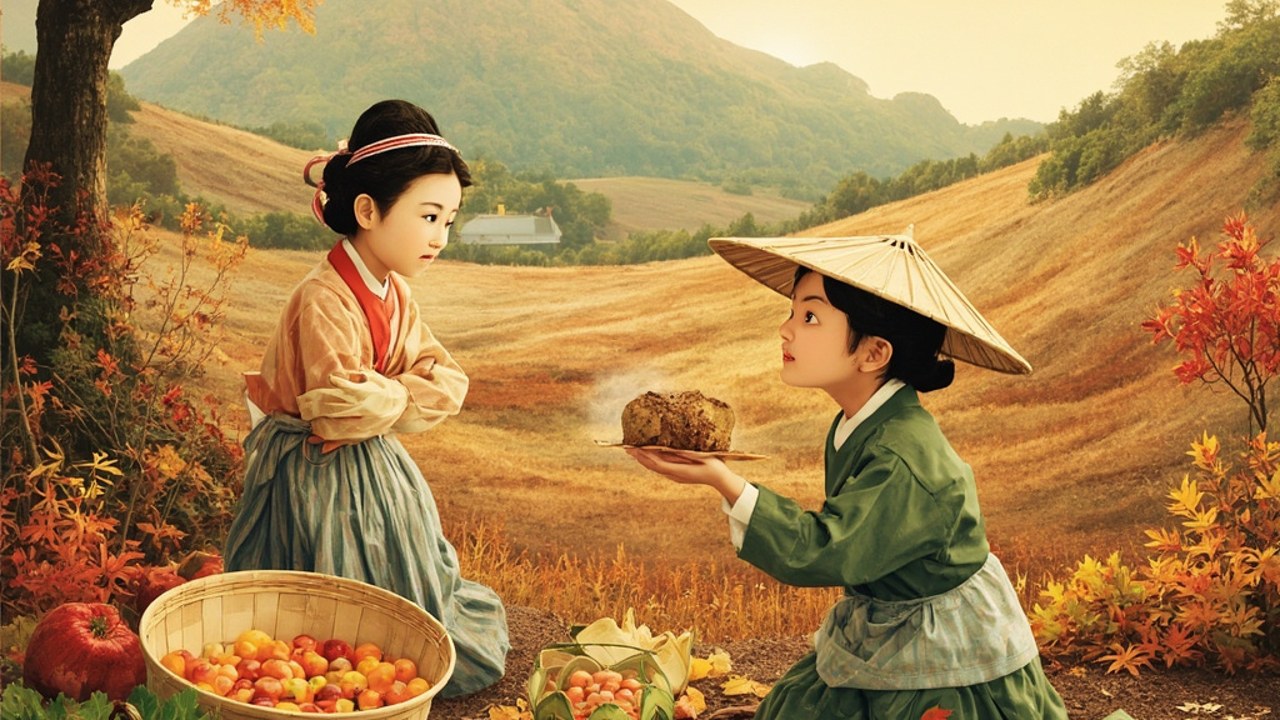
Each autumn solar term carries specific cultural and seasonal significance that goes beyond basic temperature changes. Start of Autumn (around August 7) marks the time when farmers begin harvesting early crops like corn and sorghum, even as the air remains warm.
Autumn Solar Terms Guide End of Heat (around August 23) is a transition term, signaling the end of summer’s scorching days and the arrival of cooler nights—farmers often stop irrigating fields here, as rainfall becomes more reliable.
White Dew (around September 7) gets its name from the tiny dew droplets that form on grass and leaves during early mornings, as temperatures drop enough for atmospheric moisture to condense. This is a critical point for agriculture, as it signals the end of rice growth and the start of grain ripening.
Autumn Solar Terms Guide The Autumnal Equinox (around September 23) is one of two days each year where day and night are exactly equal in length; historically, this was a time for balancing work and rest, with farmers finishing harvests and preparing for winter.
Cold Dew (around October 8) brings even cooler temperatures, often dropping below 10°C (50°F) in northern regions, making outdoor activities more comfortable. Frost’s Descent (around October 23) is the final autumn term, marking the first frost in most areas and the end of the growing season for cold-sensitive crops like tomatoes and cucumbers.
Autumn Solar Terms Guide A key expert judgment here: Beginners to solar terms should focus on the four mid-autumn terms (White Dew, Autumnal Equinox, Cold Dew, Frost’s Descent) first, as they have the most direct impact on daily life and are easier to observe than transition terms like Start of Autumn.
Autumn solar terms are deeply tied to seasonal eating, with each term having unique foods and customs that reflect the need to adjust to changing weather. For Start of Autumn, a common northern Chinese custom is “eating autumn fat”—consuming rich, calorie-dense foods like pork dumplings or braised pork to build energy for the upcoming cold winter.
Autumn Solar Terms Guide In modern times, this has evolved into a casual meal with friends, rather than a strict ritual.
End of Heat is associated with clearing summer’s internal heat, so many families make lotus seed and lily bulb congee—light, cooling dishes that are easy on the stomach. White Dew is known for “white dew tea,” a delicate tea harvested in southern China during this period, with a sweet, floral flavor that’s prized by tea lovers.
The Autumnal Equinox has a playful custom in parts of southern China: standing eggs upright on their ends. Autumn Solar Terms Guide This practice is linked to the equal day and night, which is thought to give eggs a more balanced center of gravity.
Cold Dew is when osmanthus flowers bloom heavily across China, so Nanjing residents enjoy osmanthus cakes—soft, sweet pastries infused with the flower’s fragrance. Frost’s Descent is the time for eating persimmons, especially in northern regions; locals believe persimmons keep the body warm and prevent winter coughs.
Autumn Solar Terms Guide Modern adaptations include persimmon ice cream and osmanthus-infused coffee, making these traditional flavors accessible to global audiences.
Even for people outside China, the autumn solar terms offer practical insights into aligning with seasonal changes. For example, during White Dew, the drop in morning temperatures means it’s time to switch from light summer shirts to layered clothing—avoiding sudden chills that can lead to colds.
Autumn Solar Terms Guide The Autumnal Equinox’s equal day and night is a natural reminder to adjust sleep schedules: going to bed 15-30 minutes earlier and waking up at a consistent time, which improves sleep quality as days get shorter.
For parents and teachers, these terms are a fun way to teach kids about nature and culture. During Frost’s Descent, a walk to look for the first frost on windows or grass can spark conversations about how plants adapt to cold weather.
Teachers can use solar terms in cultural lessons to introduce Chinese astronomy and agricultural history, making learning interactive. Autumn Solar Terms Guide For more seasonal wellness tips, check our complete solar terms health guide.
There are two widespread misconceptions about autumn solar terms that are important to clarify. First, many people think Start of Autumn means immediate cool weather, but this is not true—“autumn tiger” heat often lingers for weeks, so the term is about astronomical timing, not temperature.
Second, some believe solar terms are outdated for modern urban life, but their focus on aligning with natural rhythms is more relevant than ever for people dealing with busy, indoor-focused schedules. Autumn Solar Terms Guide Another expert judgment: It’s a mistake to dismiss solar terms as “old-fashioned”; their emphasis on seasonal eating and sleep is a simple way to reduce stress and improve health in fast-paced modern life.
Incorporating autumn solar terms into daily life doesn’t require a complete lifestyle change—small, intentional actions work well. First, adjust your diet: During Cold Dew, eat more warm, moist foods like pears and honey to combat dry air, which can irritate skin and throats.
Second, tweak your sleep: Go to bed around 10 PM as days get shorter, to align with the natural rhythm of the season. Third, spend time outdoors: During White Dew, take a 10-minute morning walk to enjoy the cool air and observe dew, which can lower stress levels.
Fourth, try seasonal foods: Pick up persimmons in late October or osmanthus tea in mid-September to connect with the term’s flavors, even if you’re not in China. Autumn Solar Terms Guide These small steps help you stay connected to nature while adding a touch of cultural curiosity to your routine.
Autumn Solar Terms Guide is not only a date on the calendar. In Chinese seasonal culture, it is a way to connect family routines, food choices, weather awareness, and traditional memory.
People often understand a festival or seasonal custom by looking at what families prepare, what they eat, what they avoid, and what ideas they pass to children.
For readers outside China, Autumn Solar Terms Guide can be understood as a practical cultural window. It shows how the traditional calendar joins agriculture, family reunion, health ideas, and symbolic customs.
Even when modern families no longer follow every old practice, many people still keep the most meaningful parts because they create rhythm in the year.
The most useful way to study Autumn Solar Terms Guide is to ask three questions: What does this date mark in the seasonal cycle? What do people actually do at home or in public life?
Why did those customs become meaningful? These questions keep the article practical and prevent the topic from becoming only a list of facts.
The Autumn Solar Terms Guide refers to a comprehensive resource covering the six solar terms of autumn in China’s 24 solar terms system: Start of Autumn (Li Qiu), End of Heat (Chu Shu), White Dew (Bai Lu), Autumn Equinox (Qiu Fen), Cold Dew (Han Lu), and Frost’s Descent (Shuang Jiang). It documents the progression of autumn, from its initial arrival to the approach of winter, integrating climatic changes, agricultural activities, cultural traditions, and health advice specific to each seasonal stage.
Traditional customs tied to each autumn solar term include: Start of Autumn’s “weighing people” ritual to assess health, eating autumn peaches to ward off residual summer heat; White Dew’s picking of premium “white dew tea” and offering sacrifices to the earth; Autumn Equinox’s “vertical eggs” tradition and moon worship (linked to the Mid-Autumn Festival); Cold Dew’s mountain climbing to inhale fresh autumn air; and Frost’s Descent’s eating persimmons to help resist cold, along with regional harvest celebrations.
Seasonal foods align with autumn’s cooling and drying characteristics, with practices like “tie qiu biao” (adding autumn fat) at Start of Autumn to build energy for winter—common foods here include pork, chicken, and autumn fruits like peaches and pears. Other seasonal eats include fresh crabs and osmanthus cakes around the Autumn Equinox, white dew tea and glutinous rice at White Dew, honey and sesame to moisten the lungs at Cold Dew, and persimmons and radishes to strengthen immunity at Frost’s Descent.
The guide reflects gradual climatic shifts from late summer to winter onset. Start of Autumn brings the official start of autumn but often retains hot, humid “autumn tiger” weather in many regions; End of Heat marks the end of sustained high temperatures, with cooler nights; White Dew brings noticeable night dew due to dropping temperatures; Autumn Equinox balances day and night lengths globally, with mild, stable weather; Cold Dew brings colder nights with visible, cool dew; and Frost’s Descent signals the first frost in most northern areas, preparing crops for harvest and dormancy.
Rooted in traditional Chinese medicine (TCM), health practices focus on combating autumn dryness and adapting to cooling. Recommendations include: eating moistening foods (pears, honey, lotus seeds) to nourish the lungs; dressing in layers to adjust to temperature swings (especially adding clothes at Cold Dew and Frost’s Descent); doing gentle exercises like tai chi or brisk walking to maintain energy; avoiding excessive spicy or cold foods that irritate the body; and drinking warm herbal teas (like white dew tea) to keep the body hydrated and balanced during the dry autumn period.
{
“@context”: “https://schema.org”,
“@type”: “FAQPage”,
“mainEntity”: [
{
“@type”: “Question”,
“name”: “What is Autumn Solar Terms Guide in the Chinese calendar?”,
“acceptedAnswer”: {
“@type”: “Answer”,
“text”: “The Autumn Solar Terms Guide refers to a comprehensive resource covering the six solar terms of autumn in China’s 24 solar terms system: Start of Autumn (Li Qiu), End of Heat (Chu Shu), White Dew (Bai Lu), Autumn Equinox (Qiu Fen), Cold Dew (Han Lu), and Frost’s Descent (Shuang Jiang). It documents the progression of autumn, from its initial arrival to the approach of winter, integrating climatic changes, agricultural activities, cultural traditions, and health advice specific to each seasonal stage.”
}
},
{
“@type”: “Question”,
“name”: “What are the traditional customs of Autumn Solar Terms Guide?”,
“acceptedAnswer”: {
“@type”: “Answer”,
“text”: “Traditional customs tied to each autumn solar term include: Start of Autumn’s “weighing people” ritual to assess health, eating autumn peaches to ward off residual summer heat; White Dew’s picking of premium “white dew tea” and offering sacrifices to the earth; Autumn Equinox’s “vertical eggs” tradition and moon worship (linked to the Mid-Autumn Festival); Cold Dew’s mountain climbing to inhale fresh autumn air; and Frost’s Descent’s eating persimmons to help resist cold, along with regional harvest celebrations.”
}
},
{
“@type”: “Question”,
“name”: “What foods are eaten during Autumn Solar Terms Guide?”,
“acceptedAnswer”: {
“@type”: “Answer”,
“text”: “Seasonal foods align with autumn’s cooling and drying characteristics, with practices like “tie qiu biao” (adding autumn fat) at Start of Autumn to build energy for winter—common foods here include pork, chicken, and autumn fruits like peaches and pears. Other seasonal eats include fresh crabs and osmanthus cakes around the Autumn Equinox, white dew tea and glutinous rice at White Dew, honey and sesame to moisten the lungs at Cold Dew, and persimmons and radishes to strengthen immunity at Frost’s Descent.”
}
},
{
“@type”: “Question”,
“name”: “How does Autumn Solar Terms Guide affect the weather?”,
“acceptedAnswer”: {
“@type”: “Answer”,
“text”: “The guide reflects gradual climatic shifts from late summer to winter onset. Start of Autumn brings the official start of autumn but often retains hot, humid “autumn tiger” weather in many regions; End of Heat marks the end of sustained high temperatures, with cooler nights; White Dew brings noticeable night dew due to dropping temperatures; Autumn Equinox balances day and night lengths globally, with mild, stable weather; Cold Dew brings colder nights with visible, cool dew; and Frost’s Descent signals the first frost in most northern areas, preparing crops for harvest and dormancy.”
}
},
{
“@type”: “Question”,
“name”: “What health practices are recommended for Autumn Solar Terms Guide?”,
“acceptedAnswer”: {
“@type”: “Answer”,
“text”: “Rooted in traditional Chinese medicine (TCM), health practices focus on combating autumn dryness and adapting to cooling. Recommendations include: eating moistening foods (pears, honey, lotus seeds) to nourish the lungs; dressing in layers to adjust to temperature swings (especially adding clothes at Cold Dew and Frost’s Descent); doing gentle exercises like tai chi or brisk walking to maintain energy; avoiding excessive spicy or cold foods that irritate the body; and drinking warm herbal teas (like white dew tea) to keep the body hydrated and balanced during the dry autumn period.”
}
}
]
}
Wikipedia Spring Solar Terms Guide Meaning Chinese Seasonal Foods Meaning: Chinese Solar Term Explained Minor Snow (Xiaoxue) 2026: Date, Meaning & Winter Customs
{
“@context”: “https://schema.org”,
“@type”: “Article”,
“headline”: “Autumn Solar Terms Guide: Dates, Customs, and Daily Tips”,
“description”: “Autumn Solar Terms Guide: Autumn comprises six of these terms, each marking a distinct shift in temperature, light,…”,
“author”: {
“@type”: “Person”,
“name”: “Editorial Team”
},
“datePublished”: “2026-07-08T23:15:56.481754+00:00”,
“dateModified”: “2026-07-08T23:15:56.481754+00:00”
}
May is meteorological spring in China, but local weather ranges from cool northern conditions to…
Read More →
Understand winter in China by month and region, from snowy northeast cities to mild southern…
Read More →
China has no single monsoon month. Compare South China, the Yangtze Meiyu belt, North China,…
Read More →