
What Season Is May in China? Calendar and Regional Context
May is meteorological spring in China, but local weather ranges from cool northern conditions to…
Read More →
Chinese Seasonal Foods is a practical way to understand how the 24 Chinese solar terms connect seasonal change, traditional calendar wisdom, and everyday life.
For overseas culture learners, parents, and teachers, understanding this link between Chinese seasonal foods and the solar terms offers a tangible way to connect with ancient wisdom, beyond just abstract history. The full set of 24 solar terms is divided into four seasons: Spring (Lichun, Yushui, Jingzhe, Chunfen, Qingming, Guyu), Summer (Lixia, Xiaoman, Mangzhong, Xiazhi, Xiaoshu, Dashu), Autumn (Liqiu, Chushu, Bailu, Qiufen, Hanlu, Shuangjiang), and Winter (Lidong, Xiaoxue, Daxue, Dongzhi, Xiaohan, Dahan).
This article will break down how these terms connect to food, highlight key seasonal dishes, share common traditions, and show why the practice remains relevant in modern life.
The 24 solar terms were first formalized during the Han Dynasty (over 2,000 years ago) as a way to align farming activities with the sun’s position, ensuring crops thrived in China’s diverse climate. Over time, this agricultural calendar merged with traditional Chinese medicine’s focus on balance, creating a system where eating foods that match the season’s energy would support health.
For example, spring is associated with new growth and rising energy, so seasonal foods are often light, fresh, and designed to stimulate the liver. A key point for beginners: the four “start” terms—Lichun (Start of Spring), Lixia (Start of Summer), Liqiu (Start of Autumn), and Lidong (Start of Winter)—are the easiest to incorporate into modern diets, as their food traditions are widely practiced and recognizable.
Take Lichun, the first solar term of the year, which marks the official start of spring. A common tradition here is “eating spring” (chi chun), where families roll thin pancakes (chun bing) around a mix of vegetables, shredded meat, and sweet bean paste.
This dish symbolizes wrapping up good fortune for the coming season, and it’s still a staple in Chinese households today. Chinese seasonal foods like these are not just tasty, but also tied to cultural practices that have stood the test of time.
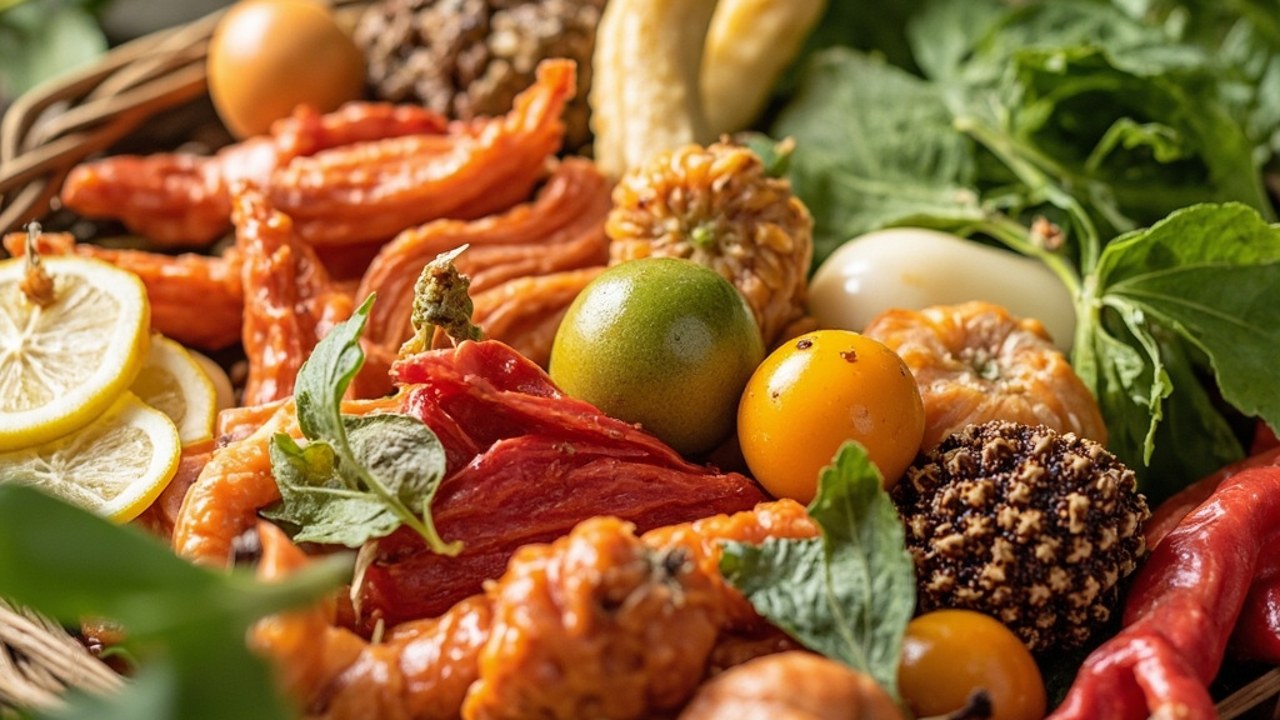
Spring’s six solar terms bring a wave of fresh produce, each with its own food tradition. Yushui (Rain Water), which follows Lichun, is marked by eating raw radishes (bai luobo) to promote digestion and ward off colds—an old practice that aligns with the term’s focus on melting winter’s chill.
Jingzhe (Awakening of Insects), when insects emerge from hibernation, is a time to eat pears, often steamed with rock sugar or honey to soothe the body as it adjusts to warmer weather. Chunfen (Spring Equinox), when day and night are equal in length, has a tradition of eating boiled eggs to balance the body’s energy.
Qingming (Clear and Bright), a time for ancestor worship, is famous for qing tuan—glutinous rice balls colored green with fresh mugwort, filled with sweet red bean paste. The mugwort is only available in early spring, so this dish is a rare seasonal treat.
Guyu (Grain Rain), the sixth spring term, is when farmers plant rice, and people eat toon shoots (xiang chun) to nourish their livers. Toon shoots are tender for just a few weeks each year, so they’re often stir-fried with eggs or added to soups—their earthy, slightly bitter flavor is a sign of spring’s arrival.
A common mistake here is using dried mugwort for qing tuan; fresh, young mugwort is essential for the dish’s authentic taste, so many families pick it themselves during Qingming. Chinese Seasonal Foods For more on spring eating habits, check out our spring health tips guide.
Summer’s six solar terms are all about beating heat and staying hydrated. Lixia (Start of Summer) is marked by eating eggs to boost energy as the weather warms up.
Xiaoman (Grain Buds), when grains begin to plump, is a time to eat bitter melon (ku gua)—a vegetable believed to clear internal heat, perfect for the sweltering early summer days. Mangzhong (Grain in Ear), when wheat is harvested and rice is planted, has a tradition of eating plums, which are often pickled to reduce their sourness and make them easier to digest.
Xiazhi (Summer Solstice), the longest day of the year, is a time to eat cold noodles (chang mian) in northern China—symbolizing longevity, and the cold noodles help cool the body. Xiaoshu (Minor Heat) and Dashu (Major Heat) are the hottest parts of summer, so dishes like mung bean soup, watermelon, and lotus seed porridge are staples.
Expert judgment here: During the peak of summer, avoid overly icy foods like ice cream or iced coffee, as they can disrupt the body’s natural balance and lead to digestive issues. Instead, opt for slightly warm, hydrating dishes like lotus seed soup or cucumber salad to support your body’s cooling systems.
Chinese seasonal foods in summer also help reduce common ailments like heat exhaustion, making them a practical choice for modern life.
Autumn’s six solar terms focus on moisturizing the body as the air turns dry. Liqiu (Start of Autumn) is marked by “biting autumn” (yao qiu)—eating a large amount of fruit, like apples or pears, to adjust to the cooler weather.
In northern China, some families also eat pork or lamb to “store” energy for the upcoming winter. Chushu (End of Heat), when the summer heat fades, is a time to eat longan fruit, which is believed to nourish the blood.
Bailu (White Dew), when dew appears on grass in the morning, is a key term for rice wine—many regions brew mild rice wine during this time, as the cool autumn weather is perfect for fermentation. Qiufen (Autumn Equinox), when day and night are equal again, is a time to eat chestnuts—roasted chestnuts are a popular street food in China, and they’re also added to soups and desserts.
Hanlu (Cold Dew), when temperatures drop further, is marked by eating persimmons—their sweet, juicy flesh helps prevent dryness in the throat and skin. Shuangjiang (Frost’s Descent), the last autumn term, is a time to eat honey, which soothes the respiratory system as winter approaches.
Chinese Seasonal Foods A concrete example: In Chengdu, a city in southern China, roasted chestnut stalls line the streets during Qiufen, and families often buy a bag to share while walking in the park.
Winter’s six solar terms are all about staying warm and storing energy. Lidong (Start of Winter) is a time to eat hot pot or dumplings—hot pot’s spicy broth warms the body, and dumplings are a symbol of good fortune.
Xiaoxue (Minor Snow), when light snow begins, is a time to pickle vegetables, like Chinese cabbage or radishes, to store for the long winter months. Daxue (Major Snow), when heavier snow falls, is a time to eat glutinous rice cakes (nian gao), which symbolize progress and good luck.
Dongzhi (Winter Solstice), the longest night of the year, is one of the most important winter terms. In northern China, families gather to eat dumplings—legend says that the ancient doctor Zhang Zhongjing created dumplings filled with mutton and herbs to treat frostbitten ears during a harsh winter.
In southern China, families eat tangyuan—glutinous rice balls in sweet soup, filled with sesame or peanut paste, symbolizing family unity. Xiaohan (Minor Cold) and Dahan (Major Cold) are the coldest parts of winter, so lamb soup and spicy hot pot are staples.
Chinese Seasonal Foods A concrete detail: In Harbin, a northern city famous for its cold winters, hot pot restaurants stay open late during Dahan, and many people eat a meal with friends to stay warm and social.
Today, even as urbanization changes how people eat, Chinese seasonal foods remain an important part of culture. For parents, teaching kids about these dishes is a fun way to pass down traditions—many families now pick fresh toon shoots or mugwort leaves on weekends, instead of buying them from the market.
Restaurants in major cities like Beijing and Shanghai also offer seasonal menus based on the solar terms, using fresh, local ingredients that align with each term’s traditions. For culture learners, understanding these foods offers a deeper insight into Chinese values—balance, respect for nature, and connection to family.
Unlike generic “healthy eating” trends, Chinese seasonal foods are rooted in thousands of years of observation, making them a timeless way to nourish the body. Many overseas families now adopt Chinese seasonal foods for their children, as the traditions are easy to incorporate and align with balanced eating.
Cooking with Chinese seasonal foods also helps reduce food waste, as ingredients are only used when they are fresh and in season. To explore more seasonal dishes across all 24 solar terms, visit our seasonal food guide for all 24 solar terms.
What should a beginner remember first about Chinese Seasonal Foods? The first point is that the date is part of a larger cultural calendar, not an isolated celebration.
It belongs to a system of seasonal observation, family tradition, and symbolic meaning.
How is Chinese Seasonal Foods different from a simple public holiday? A public holiday mainly tells people when they have time off.
A traditional festival or seasonal marker also explains what the date means, which foods or activities are connected with it, and why families remember it.
Why does Chinese Seasonal Foods still matter today? It matters because it gives people a simple way to connect modern life with inherited culture.
Even a short meal, a family conversation, or a seasonal activity can keep the meaning alive.
Chinese Seasonal Foods is a traditional dietary concept in the Chinese calendar, closely linked to the 24 solar terms—divisions of the lunar-solar calendar that mark key seasonal shifts based on the sun’s position. It centers on aligning human diet with natural seasonal changes, rather than random seasonal eating, as ancient Chinese people believed that matching food to the season helps maintain physical balance and overall health. Each solar term corresponds to specific climate characteristics, and the concept dictates eating foods suited to that period’s conditions.
The traditional customs of Chinese Seasonal Foods are rooted in folk culture and agricultural traditions. A core practice is consuming specific designated foods on each solar term to celebrate the season, ward off bad luck, or promote health. Examples include eating dumplings on the Winter Solstice (a northern Chinese custom to “protect the ears from frost”), spring rolls on Start of Spring (symbolizing welcoming new growth), and sweet rice balls (tangyuan) in southern China during Winter Solstice. It also often involves family gatherings to prepare and share these dishes, reinforcing community and family bonds, with regional variations shaped by local produce and history.
The foods eaten in Chinese Seasonal Foods vary by solar term and region, but they are chosen for their properties matching the season’s climate. Common examples include: spring rolls and radishes on Start of Spring (to welcome spring), toon sprouts and tea on Grain Rain (a period of grain growth), cold noodles on Summer Solstice (to cool down in hot weather), crabs and pears on Autumn Equinox, and dumplings or glutinous rice porridge on Winter Solstice (to warm the body in cold). These foods are typically fresh, locally harvested produce, reflecting the agricultural cycle of the area.
Unlike the misconception that Chinese Seasonal Foods influence weather, this dietary concept is actually adapted to weather conditions rather than altering them. The choice of seasonal foods is driven by observing weather patterns tied to solar terms: for example, during the hot, humid Major Heat period, people eat cooling foods like mung beans to counteract high temperatures and dampness. The concept does not affect weather, but helps people adjust their bodies to cope with seasonal weather fluctuations, supporting physical resilience to environmental changes.
The health practices for Chinese Seasonal Foods are based on Traditional Chinese Medicine (TCM) principles of balancing yin (cool, passive) and yang (warm, active) energies in the body. For cold seasons, people are advised to eat warming yang foods such as mutton, ginger, and Chinese dates to boost energy and resist cold. In hot, humid seasons, cooling yin foods like watermelon, lotus root, and mung beans are recommended to clear internal heat and dampness. Additional practices include eating fresh, in-season local produce (believed to have optimal “qi” or life energy) and adjusting meal styles—such as light, easy-to-digest dishes in summer to avoid overburdening the body.
Wikipedia Spring Planting Season Meaning: Chinese Solar Term Explained What Nobody Tells You About Mooncake Tradition Seasonal Foods China Meaning: Chinese Solar Term Explained
May is meteorological spring in China, but local weather ranges from cool northern conditions to…
Read More →
Understand winter in China by month and region, from snowy northeast cities to mild southern…
Read More →
China has no single monsoon month. Compare South China, the Yangtze Meiyu belt, North China,…
Read More →