What Season Is May in China? Calendar and Regional Context
May is meteorological spring in China, but local weather ranges from cool northern conditions to…
Read More →
Mid Autumn Festival traditions is a practical way to understand how the 24 Chinese solar terms connect seasonal change, traditional calendar wisdom, and everyday life.
Mid Autumn Festival Traditions For overseas readers, culture learners, and families looking to understand this holiday, exploring its traditions reveals how ancient solar wisdom shapes modern celebrations, far beyond just mooncakes and lanterns.
The Chinese 24 solar terms are a precise framework for tracking seasonal changes, developed over 2,000 years ago to guide farming and daily life. There are exactly 24 terms, each marking a distinct shift in nature:
The Mid Autumn Festival aligns with Qiufen, the 16th solar term, which typically falls between September 22 and 24 of the Gregorian calendar. This date is chosen because it marks the moon’s fullest and brightest phase of the year, a core reason for the festival’s focus on moon viewing.
Mid Autumn Festival Traditions Unlike fixed-date Western holidays, Mid Autumn shifts slightly each year based on the lunar calendar, but its tie to the solar term ensures it always lands in the heart of autumn’s harvest season.
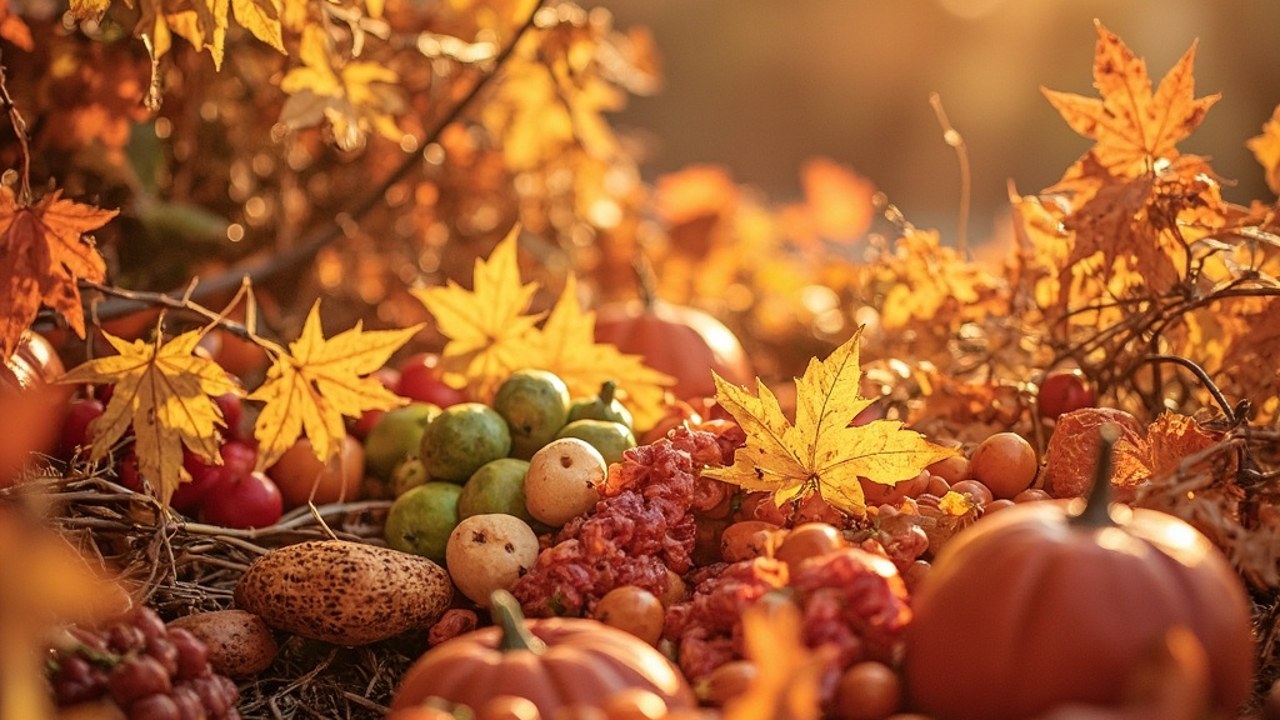
At its root, Mid Autumn is a celebration of family reunion and gratitude for the harvest, with customs that vary slightly by region but share core themes. One of the most universal practices is the reunion dinner: families gather to share a meal with dishes tied to autumn, such as pomelos (a citrus fruit with a round shape symbolizing prosperity), lotus root soup, and braised pork.
In southern China, many families still set up a moon-worshipping altar in their courtyards or balconies, placing offerings like mooncakes, osmanthus wine, and fresh fruit. A common detail from rural Jiangsu Province: elderly women will bow three times to the full moon, praying for their families’ health and harmony, a ritual passed down for generations.
Another beloved custom is lantern carrying, especially for children. In Hong Kong, neighborhoods host public lantern displays with giant rabbit-shaped lanterns (linked to the moon goddess Chang’e), while kids carry paper or electric lanterns shaped like cartoon characters or lotus flowers, parading through streets after dark.
Mid Autumn Festival Traditions Even in modern cities like Shanghai, this tradition remains a highlight, with community centers hosting lantern-making workshops for local children.
No Mid Autumn Festival is complete without mooncakes, the iconic treat that defines the holiday. Traditional mooncakes are dense, pasty cakes with fillings like lotus seed paste, red bean paste, or a salted egg yolk (representing the full moon at their center).
The round shape of mooncakes is not accidental—it symbolizes unity, so giving mooncakes to relatives, friends, or colleagues is a way to wish for togetherness, even when separated. A lesser-known regional variation: northern Chinese mooncakes are often savory, filled with pork, scallions, or sesame seeds, a contrast to the sweet southern varieties.
Osmanthus is another key element of the festival, tied to the sweet scent that fills autumn in many parts of China. In Hangzhou, locals pick osmanthus flowers from trees lining West Lake to make osmanthus tea, jam, or add to mooncake fillings.
Mid Autumn Festival Traditions For example, a grandmother in Hangzhou might dry osmanthus petals from her backyard tree in early September, then mix them into lotus seed paste for her homemade mooncakes, a tradition that connects her to her childhood and her family’s history.
As the Chinese diaspora has spread across the world, Mid Autumn traditions have evolved to fit new contexts, while retaining their core meaning. For overseas Chinese families, reunion often happens virtually: a family in Toronto might host a video call with relatives in Guangzhou, passing mooncakes around the screen so everyone can share the treat together.
Schools in the U.S., Canada, and Australia now regularly host Mid Autumn Festival events, where kids learn to make paper lanterns, hear the story of Chang’e, and taste mini mooncakes. In Singapore, where ethnic Chinese make up around 75% of the population, Mid Autumn is a public holiday, and street markets sell mooncakes with local flavors like durian, pandan, and even ice cream, catering to diverse tastes.
A modern twist that has grown popular is digital mooncake gifts: apps let users send e-mooncakes to friends abroad, complete with personalized messages, a way to keep the tradition alive for those who can’t send physical treats. Mid Autumn Festival Traditions For more seasonal food ideas tied to all 24 solar terms, check our seasonal food guide for all 24 solar terms.
Cultural beginners often hold a few key misconceptions about Mid Autumn Festival traditions, so it’s important to clarify them. First, many assume it’s only a Chinese holiday, but it’s part of a broader East Asian lunar festival tradition: Korea’s Chuseok shares the focus on family reunion and harvest, while Japan’s Tsukimi centers on moon viewing with rice dumplings.
Second, some think mooncakes are only sweet, but as noted earlier, northern Chinese mooncakes are savory, a detail that surprises many new learners. A third common mistake is linking the festival only to mooncakes—while mooncakes are central, the core is about gratitude for the harvest and staying connected to loved ones, a theme that has remained consistent for over 1,000 years.
Expert judgment from cultural historians notes that beginners should prioritize understanding the festival’s tie to the 24 solar terms first, as this context explains why it falls when it does and why moon viewing is such a key part of the celebration.
This guide to Mid Autumn Festival traditions ties directly to the wisdom of the 24 solar terms, showing how ancient seasonal knowledge continues to shape modern cultural practices around the world.
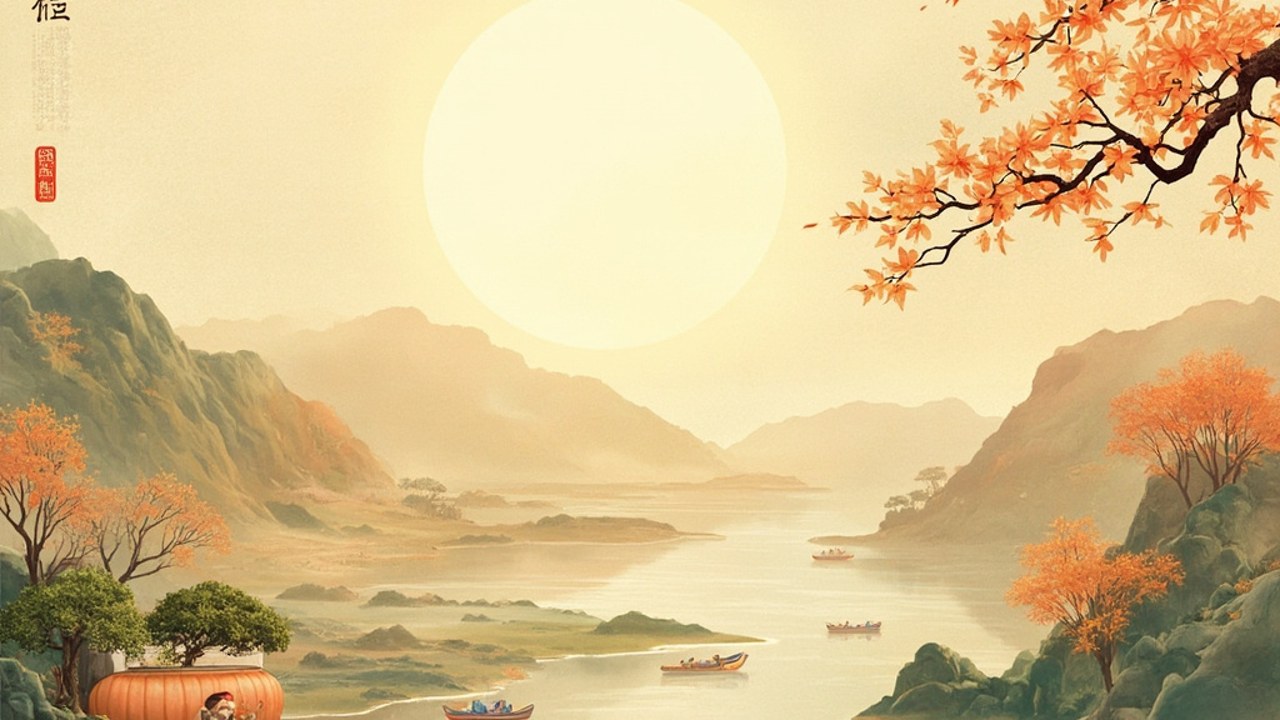
Mid Autumn Festival (Zhongqiu Jie) is closely tied to the Autumnal Equinox solar term (Qiufen), which falls around September 22–24 in the Gregorian calendar. It is celebrated on the 15th day of the 8th lunar month, a date that aligns with autumn’s brightest full moon, marking the midpoint of the autumn season and the balance of day and night in the Northern Hemisphere.
Core customs revolve around family reunion and gratitude. Key practices include gathering for a reunion dinner (symbolizing unity), appreciating the full moon (linked to legends of the moon goddess Chang’e and archer Hou Yi), lighting riddled lanterns for children, exchanging mooncakes as gifts to convey good wishes, and regional traditions like worshipping the moon or performing harvest-themed dragon dances.
The iconic food is mooncakes: round, dense pastries filled with ingredients like lotus seed paste, red bean paste, or salted egg yolks, representing completeness. Seasonal foods include osmanthus-flavored treats (osmanthus cakes, wine, or tea, as osmanthus blooms in autumn), fresh pomegranates (symbolizing fertility), grapes, and persimmons—all harvested in early autumn.
Mid Autumn Festival falls in early autumn, when weather is typically cool, mild, and less humid than summer, making outdoor activities like moon-viewing comfortable. Autumn also has clearer skies with fewer clouds than other seasons, so the full moon appears brighter and more visible—this clarity is why moon appreciation is a central festival ritual.
Recommended practices focus on adapting to autumn’s dryness. Traditional advice includes eating moistening foods like osmanthus (to soothe the lungs and relieve coughs) and pears (to hydrate the respiratory system). It is advised to avoid greasy, spicy foods that worsen dryness, and engage in gentle evening walks under the moon to boost circulation and adjust to cooler temperatures.
Wikipedia Cold Dew (Hanlu) 2026: Date, Meaning, Foods & Customs Longest Day China Meaning: Chinese Solar Term Explained Grain Buds (Xiaoman) 2026: Date, Meaning & Customs
May is meteorological spring in China, but local weather ranges from cool northern conditions to…
Read More →
Understand winter in China by month and region, from snowy northeast cities to mild southern…
Read More →
China has no single monsoon month. Compare South China, the Yangtze Meiyu belt, North China,…
Read More →