
What Season Is May in China? Calendar and Regional Context
May is meteorological spring in China, but local weather ranges from cool northern conditions to…
Read More →Grain Rain, Guyu (谷雨), marks the final solar term of traditional spring, with a name linking rain and grain cultivation. In 2026 it falls on April 20 in Hong Kong Time (UTC+8), at a solar longitude of 30°.
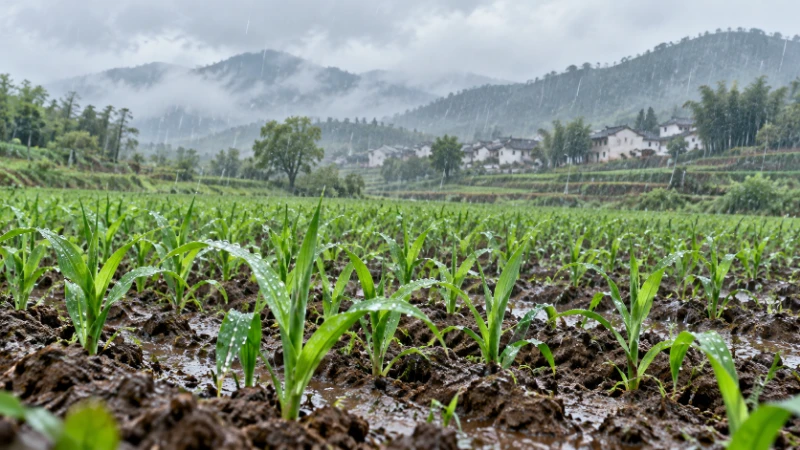
The Hong Kong Observatory translates Guyu as Corn Rain. The name records an agricultural seasonal association, not a promise that rain will fall on April 20.
| Chinese name | Guyu (谷雨) |
|---|---|
| Solar longitude | 30° |
| 2026 date | April 20, Hong Kong Time (UTC+8) |
| Adjacent terms | Clear and Bright → Grain Rain → Beginning of Summer |
A useful garden record around Guyu compares measured rain, soil moisture and seedling development. Record a dry spell as observed rather than changing the entry to fit the term’s name.
The seasonal word “spring” here follows the traditional Northern Hemisphere calendar. The Hong Kong Observatory relates many term names to ancient central Chinese weather and agriculture. Local weather and plant development may differ; Southern Hemisphere seasonal timing is reversed.
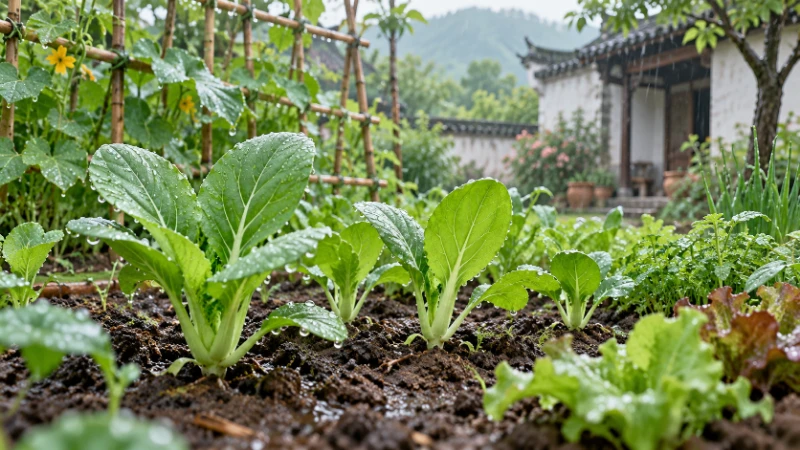
The agricultural association helps explain the term’s name. It does not supply a universal sowing date: crops, varieties, soil temperature and regional rainfall determine what can be planted.
Hong Kong Observatory: term names and solar longitudes; 2026 Gregorian–lunar conversion table; date and time notes (Hong Kong Time, UTC+8). The calendar sources establish astronomical timing and terminology; they do not verify regional customs.
April 20 in Hong Kong Time (UTC+8). The solar-term boundary is at 30° solar longitude; civil dates in other timezones can differ.
No. The term is defined astronomically. Its seasonal name does not establish the temperature, rainfall or snowfall at a particular location.
May is meteorological spring in China, but local weather ranges from cool northern conditions to…
Read More →
Understand winter in China by month and region, from snowy northeast cities to mild southern…
Read More →
China has no single monsoon month. Compare South China, the Yangtze Meiyu belt, North China,…
Read More →