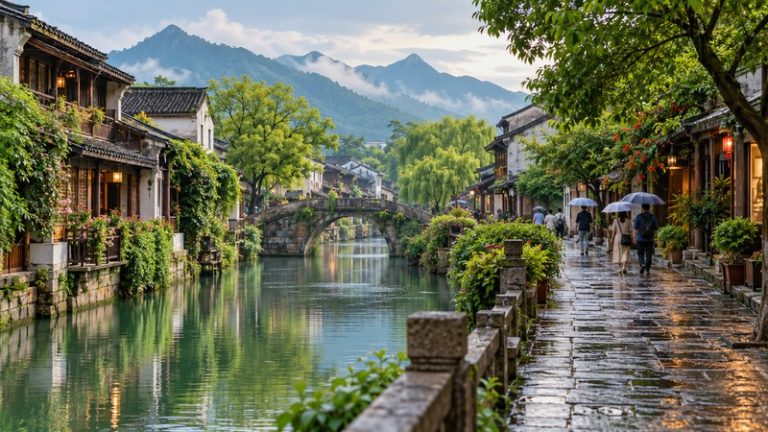
What Season Is May in China? Calendar and Regional Context
May is meteorological spring in China, but local weather ranges from cool northern conditions to…
Read More →A Chinese solar terms planting calendar can organize garden records, but it cannot assign safe planting dates for every crop or region. Build the calendar around local growing conditions and use the solar terms as reference points.
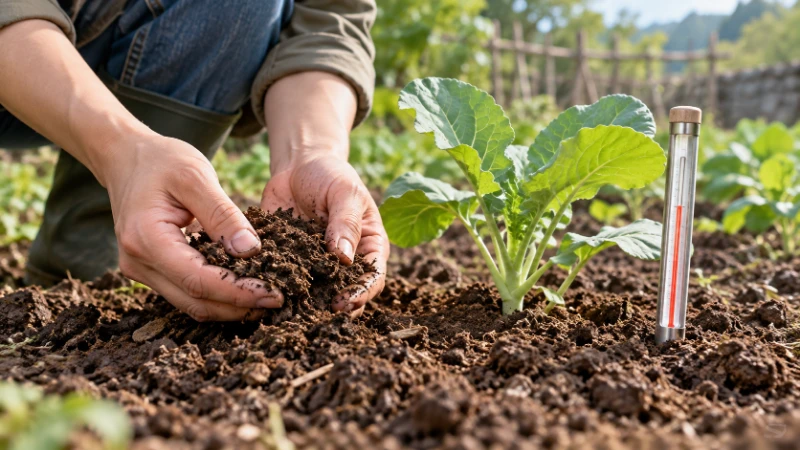
A calendar row should contain the term’s verified date and timezone, the crop and variety, measured conditions, and the planting decision. The astronomical date is shared; the decision can differ between gardens.
At Grain Rain, note the seedling’s stage, the soil condition and the local forecast. Write “postponed” if those conditions are unsuitable. Do not replace that result with “plant today” simply because the term is associated with spring rain.
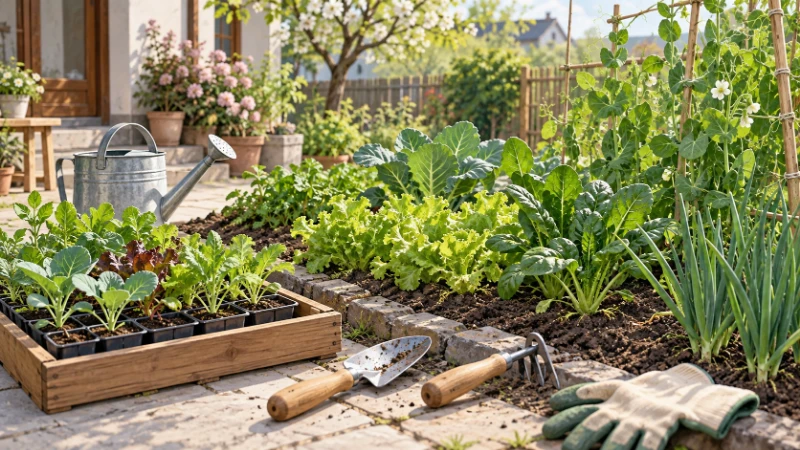
Keep sowing, emergence and harvest dates alongside the solar terms for several seasons. An earlier harvest in one year is a recorded result, not proof that every planting should move earlier. Northern Hemisphere seasonal names need reinterpretation in Southern Hemisphere gardens.
Hong Kong Observatory: term names and solar longitudes; 2026 Gregorian–lunar conversion table; date and time notes (Hong Kong Time, UTC+8). The calendar sources establish astronomical timing and terminology; they do not verify regional customs.
Record the year, term name, source and timezone. Hong Kong Observatory dates use Hong Kong Time (UTC+8). A date from another timezone can differ near midnight.
No. Crop requirements, soil conditions and local weather must determine the planting decision.
May is meteorological spring in China, but local weather ranges from cool northern conditions to…
Read More →
Understand winter in China by month and region, from snowy northeast cities to mild southern…
Read More →
China has no single monsoon month. Compare South China, the Yangtze Meiyu belt, North China,…
Read More →