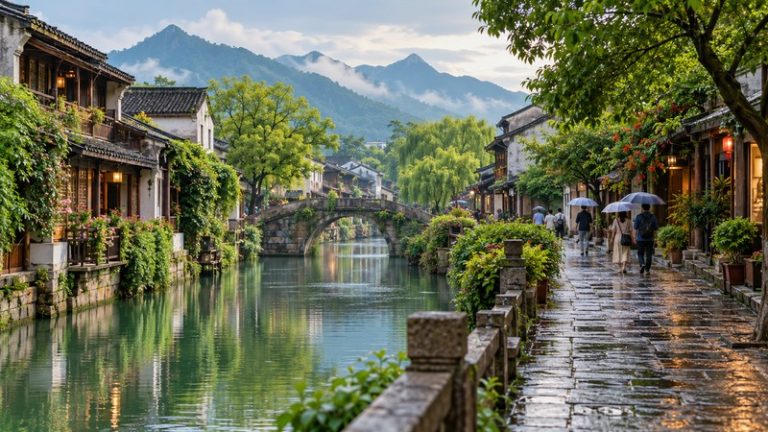
What Season Is May in China? Calendar and Regional Context
May is meteorological spring in China, but local weather ranges from cool northern conditions to…
Read More →
Vernal equinox China is more than just a reference to an astronomical event—it is a deeply rooted Chinese cultural idiom that weaves together ancient agricultural wisdom, philosophical balance, and communal ritual into a single concept that has endured for over two millennia. For centuries, this idiom has guided how Chinese people connect with nature, celebrate seasonal renewal, and honor their ancestral traditions, making it a cornerstone of traditional Chinese cultural identity.
The origins of Vernal equinox China stretch back to the Han Dynasty, in 139 BCE, when Prince Liu An of Huainan commissioned a group of scholars to compile the *Huainanzi*—a landmark text that merged Taoist cosmology, Confucian ethics, and practical agricultural science. This work divided the annual cycle into 24 solar terms, each marking a critical moment in nature’s rhythm and human life, as ancient Chinese astronomers observed that aligning human activities with celestial patterns ensured agricultural prosperity and spiritual harmony.
The vernal equinox, known in Chinese as Chunfen, was designated as the 4th solar term: a precise point when day and night are nearly equal, and the vital energy (qi) of the universe reaches a state of perfect balance—neither overly yin (passive, dark) nor yang (active, light). Over generations, the integration of rituals, farming practices, and philosophical teachings tied to Chunfen evolved into the idiom Vernal equinox China.
This shift from a specific solar term to a cultural idiom reflected how ancient Chinese communities turned a natural event into a celebration of their values: hard work, communal bonding, and respect for the natural world.
Liu An himself was a scholar and innovator, credited with early developments in astronomy and medicine, and his text emphasized that during Chunfen, the earth’s energy is most receptive to sowing seeds. This led to the tradition of planting spring crops during this period, a practice that remains central to Chinese agriculture today.
The idiom’s evolution also included rituals like balancing eggs, which became a popular activity believed to bring good luck and symbolize the equilibrium of yin and yang—core to Taoist philosophy. By the Tang Dynasty (618-907 CE), Vernal equinox China was not just an agricultural guide but a cultural event, with imperial courts holding grand ceremonies to honor the season and ensure a bountiful harvest for the entire empire.
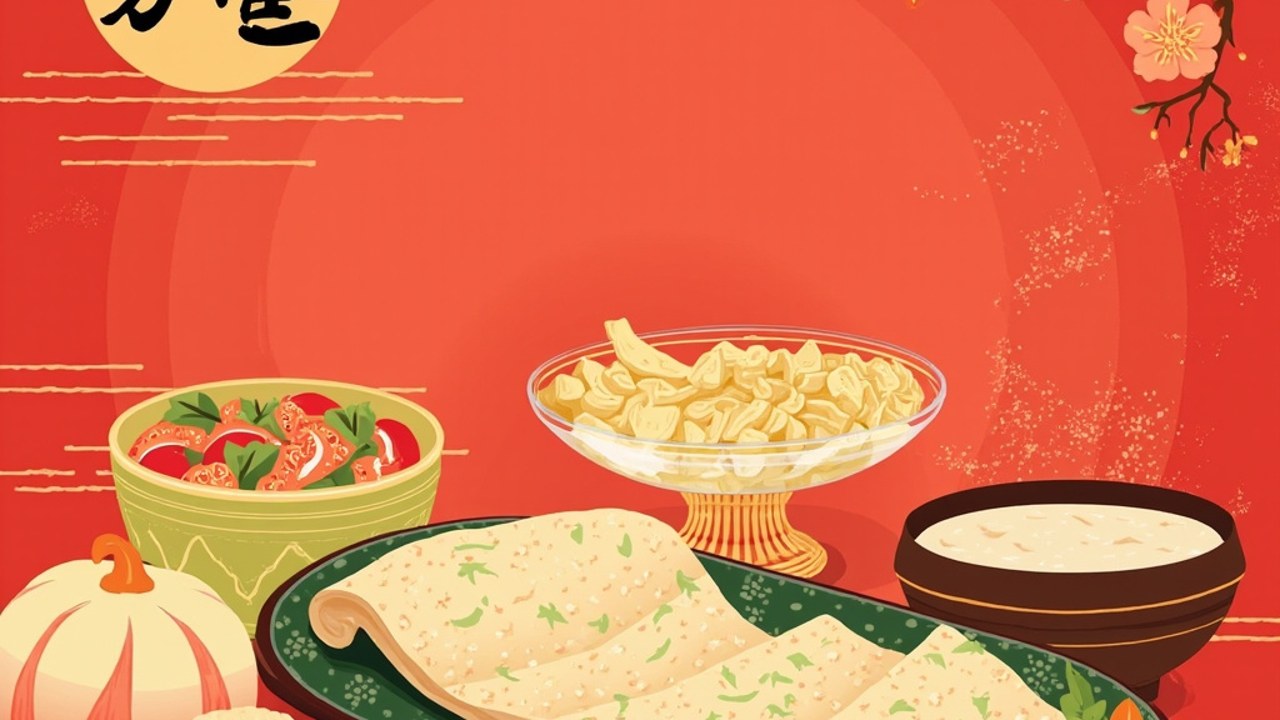
To understand Vernal equinox China fully, one must move beyond its literal tie to the vernal equinox and embrace its layered cultural and philosophical meanings. At its core, it represents four key pillars:
First, cosmic-human balance. The idiom embodies the Taoist principle of yin-yang harmony, which is most tangible during the vernal equinox when day and night are equal.
Vernal Equinox China This balance is not just astronomical but moral: it reminds people to seek equilibrium in their own lives, avoiding extremes in work, rest, or emotion. Second, agricultural renewal.
Vernal equinox China is tied to the critical period of spring sowing, when farmers plant rice, tea, and other crops that will sustain communities for the year. This pillar highlights the deep connection between Chinese culture and agriculture, a relationship that has shaped social structures, festivals, and even language for millennia.
Third, communal ritual. The idiom encompasses shared activities like egg-balancing, village feasts, and ancestor worship during Chunfen.
Vernal Equinox China These rituals strengthen social bonds, passing down traditions from older generations to younger ones, and reinforce the idea that collective well-being is as important as individual success. Fourth, philosophical alignment.
It reflects the Confucian value of Tian Ren He Yi—harmony between heaven and human—where human actions are seen as part of a larger cosmic order. This means that during Vernal equinox China, people are encouraged to slow down, observe nature, and adjust their routines to align with the season’s energy.
A common mistake learners of this idiom make is treating it as a direct synonym for the astronomical term “vernal equinox.” While the idiom draws its roots from this natural event, its meaning is entirely cultural: it refers to the set of practices, beliefs, and communal rituals tied to the vernal equinox in Chinese society, not just the celestial phenomenon itself. For example, saying “I studied Vernal equinox China in my astronomy class” is incorrect, as it is a cultural concept, not a scientific one.
Vernal equinox China is best used in contexts related to Chinese culture, traditions, seasonal celebrations, or historical agriculture. It is not appropriate for scientific discussions about astronomy, as that requires the literal term “vernal equinox.” Below are practical, natural examples of how to use the idiom:
Each of these examples uses the idiom in a context that relates to its cultural roots, making them natural and appropriate. Vernal Equinox China Avoid using it in literal, non-cultural contexts to prevent confusion.
In a fast-paced, globalized world, Vernal equinox China offers a valuable reminder of ancient wisdom that is still relevant today. For Chinese communities worldwide, it is a way to preserve cultural identity, especially among diaspora youth who may be disconnected from their ancestral traditions.
Observing Vernal equinox China—through rituals like egg-balancing or seasonal meals—helps pass down stories and values that define Chinese heritage.
Beyond cultural preservation, the idiom’s focus on balance and harmony resonates with modern challenges. As climate change accelerates, the agricultural wisdom tied to Vernal equinox China offers insights into sustainable farming practices: aligning sowing with natural cycles, reducing waste, and working with, not against, the environment.
UNESCO’s recognition of the 24 solar terms as intangible cultural heritage in 2016 further elevated Vernal equinox China’s global significance, bringing its lessons to audiences outside of China. Additionally, the communal aspect of the idiom is a counter to modern isolation.
The rituals tied to Vernal equinox China—shared feasts, collaborative farming, group activities—emphasize that well-being is collective, a message that is increasingly important in an era of individualism.
Several Chinese idioms and concepts share thematic ties to Vernal equinox China, making them useful for expanding understanding:
Q: Is Vernal equinox China only celebrated in China?
A: No, while it originated in China, it is celebrated by Chinese communities worldwide, often with adapted rituals that reflect local contexts. Vernal Equinox China For example, Chinese diaspora in the United States may host egg-balancing events in community centers, blending traditional practices with modern cultural exchange.
Q: Can I use Vernal equinox China to refer to the astronomical event?
A: It is not recommended. The idiom is a cultural concept, not an astronomical term.
Use “vernal equinox” when discussing the celestial event, and “Vernal equinox China” when referring to the cultural traditions tied to it. Q: What is the most iconic ritual of Vernal equinox China?
A: Egg-balancing is the most well-known ritual, believed to bring good luck and symbolize the balance of yin and yang. Vernal Equinox China It is popular in schools and communities worldwide during the equinox period.
Q: When is Vernal equinox China observed?
A: It corresponds to the solar term Chunfen, which usually falls on March 20 or 21 each year in the Gregorian calendar, though the exact date can vary slightly based on astronomical calculations.
Vernal equinox China is more than an idiom—it is a living connection to 2,000 years of Chinese history, philosophy, and community. In a world that often prioritizes speed and individual achievement, its lessons of balance, harmony, and respect for nature offer a timeless guide for living.
Whether you are exploring it as part of Chinese culture, seeking sustainable practices, or looking to strengthen communal bonds, Vernal equinox China invites us to slow down, observe the world around us, and celebrate the small, meaningful moments that tie us to our past and each other.
Wikipedia White Dew: Complete Guide to Bailu Solar Term Start of Summer: Complete Guide to Lixia Solar Term Winter Solstice (Dongzhi) 2026: Date, Meaning & Traditions
May is meteorological spring in China, but local weather ranges from cool northern conditions to…
Read More →
Understand winter in China by month and region, from snowy northeast cities to mild southern…
Read More →
China has no single monsoon month. Compare South China, the Yangtze Meiyu belt, North China,…
Read More →