What Season Is May in China? Calendar and Regional Context
May is meteorological spring in China, but local weather ranges from cool northern conditions to…
Read More →Tea harvesting and Chinese solar terms are closely connected because tea picking depends on seasonal timing, temperature, rainfall, and spring growth. The phrase tea harvesting and Chinese solar terms is not just a tea-culture topic; it describes how farmers read the season before and after Qingming and Grain Rain.
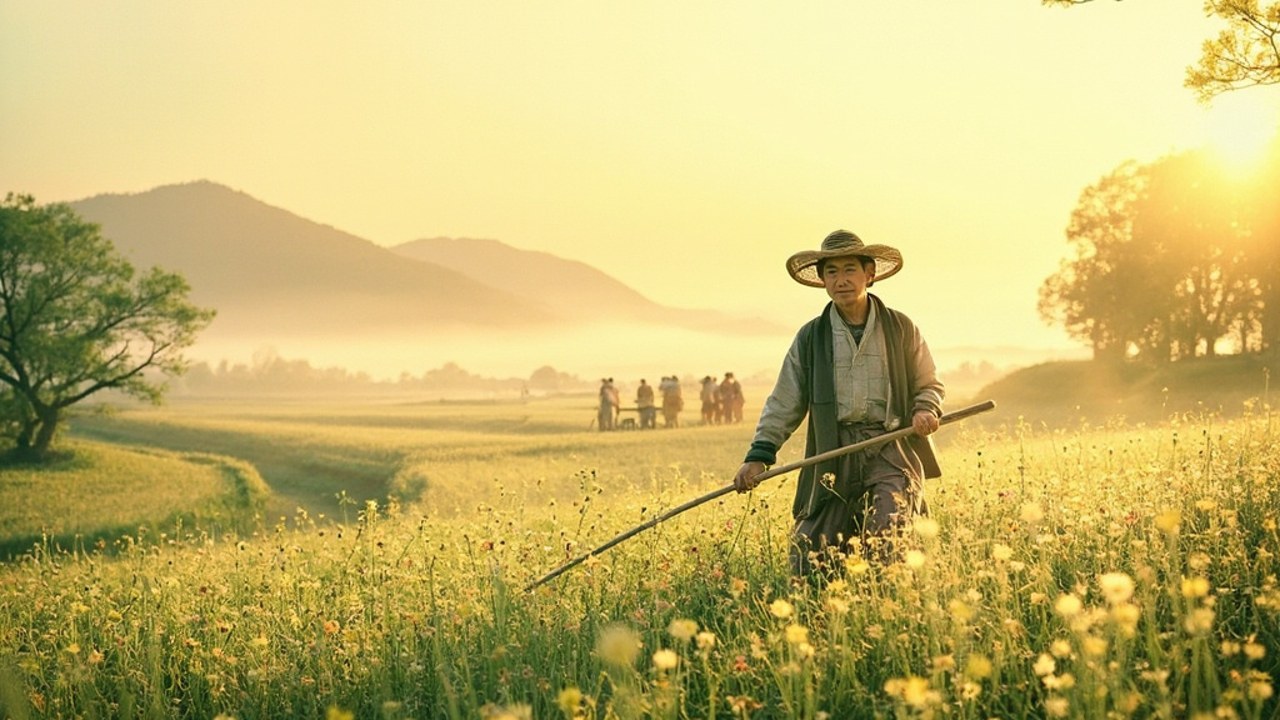
This article focuses on tea harvesting and Chinese solar terms as a seasonal farming practice. It explains how the Chinese solar terms help describe spring tea windows and why tea growers pay attention to moisture, warmth, buds, and field conditions.
Tea leaves are sensitive to temperature, sunlight, moisture, and growth speed. In many tea-growing regions, early spring leaves are valued because they are tender, aromatic, and shaped by cool weather before the heat of late spring and summer.
The exact harvest window depends on region, elevation, tea variety, and local weather. Still, the solar terms provide a familiar seasonal language for talking about when spring tea begins and how the quality of leaves changes over time.
For an external agriculture reference, the FAO overview of China’s Pu’er Traditional Tea Agrosystem shows how tea landscapes can preserve long-term farming knowledge and cultural practice.
The solar terms farming traditions are built around observation: rain, warmth, insects, grain growth, dew, frost, and field work. Tea harvesting fits this pattern because it is also a form of seasonal observation.
Farmers do not pick tea by the calendar alone. They read buds, leaf size, rainfall, morning temperature, and field conditions. The solar terms act as broad markers that organize this knowledge into a yearly rhythm.
Spring tea is often discussed around the terms from Start of Spring through Grain Rain. Early spring brings renewal, softer rain, and the first active growth in many regions. By the time the season reaches Qingming and Grain Rain, tea harvesting and Chinese solar terms become especially visible in daily culture.
For readers studying seasonal food customs, tea belongs beside spring greens, Grain Rain tea, Qingming foods, and other practices in the solar terms food customs tradition.
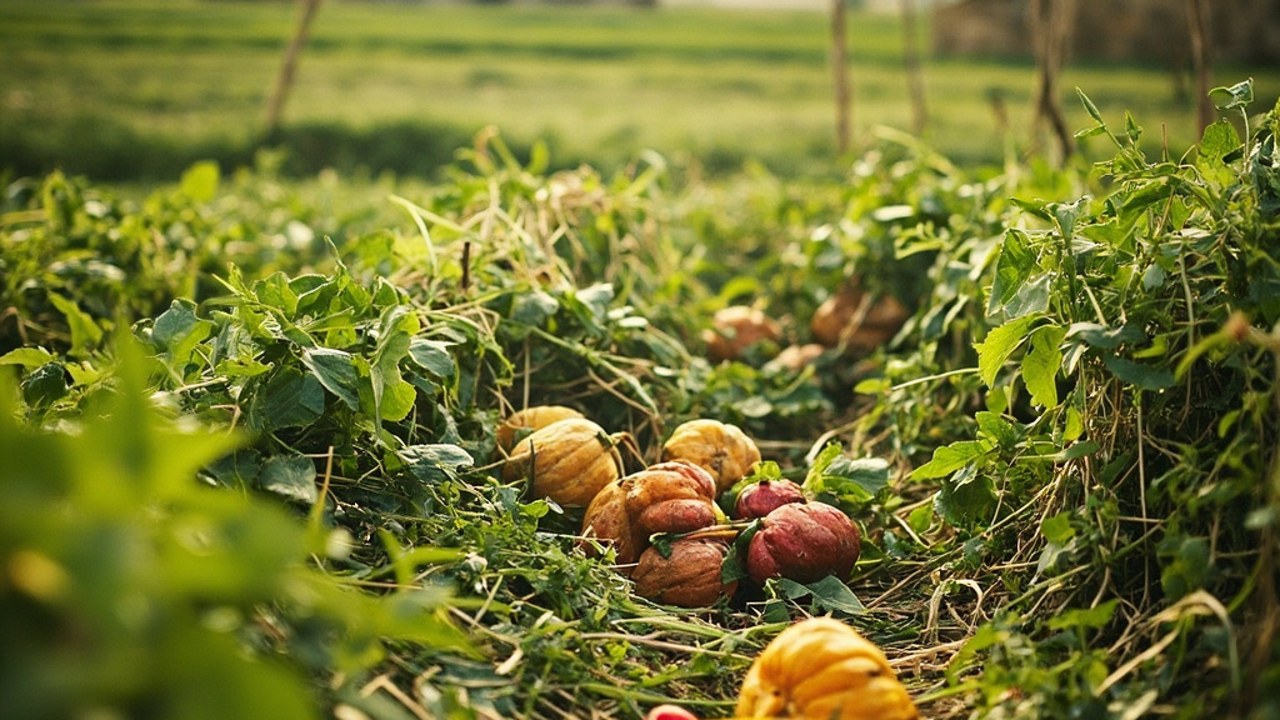
Qingming usually falls around early April. In tea culture, tea picked before Qingming is often described as especially early and delicate. The phrase can carry both agricultural and cultural meaning: it points to freshness, limited supply, and the value placed on the first tender leaves.
Not every region follows the same timing, and not every tea is judged by a Qingming label. But Qingming remains one of the most recognizable solar-term reference points for talking about spring tea.
Grain Rain arrives later in spring, when rainfall and warmer temperatures support stronger plant growth. In many cultural explanations, Grain Rain tea is linked with late-spring picking, fuller leaf development, and the seasonal idea that rain nourishes crops.
This is why Grain Rain is important for both farming traditions and food customs. It connects the agricultural meaning of rain with the everyday cultural act of drinking seasonal tea.
Tea harvesting depends on more than a fixed date. A cool spring can slow bud growth. A warm spell can accelerate picking. Too much rain can make field work difficult, while steady moisture can support healthy growth.
Solar terms help organize these changes, but the farmer still reads local conditions. This is the same logic behind many solar-term customs: the calendar gives a seasonal framework, while real weather gives the final signal.
Tea harvesting shows why the 24 solar terms are more than a list of dates. They are a cultural system for connecting nature, farming, food, and daily life. Spring tea makes that connection easy to see because it turns weather and seasonal timing into something people can taste.
For a broader date-based view, compare this article with the 2026 24 solar terms dates calendar. For topic-level reading, start with the farming traditions hub and the food customs hub.
They are connected through seasonal timing. Solar terms mark weather and growth stages, while tea harvesting depends on temperature, rainfall, buds, and leaf development.
Qingming is an early April solar term. Tea picked before or around Qingming is often described as early, tender, and culturally valuable in many tea traditions.
Grain Rain tea refers to spring tea associated with the Grain Rain solar term, when warmer weather and rainfall support stronger plant growth.
No. Solar terms provide a seasonal framework, but local elevation, climate, tea variety, and yearly weather affect the actual harvest window.
No. The focus is specifically on tea harvesting and Chinese solar terms, especially Qingming, Grain Rain, farming rhythm, and seasonal food customs.
Tea harvesting and Chinese solar terms work well together as a topic because tea is both agricultural and cultural. It is grown in fields, shaped by weather, and valued through seasonal taste. That makes it a good example of how the solar-term system turns natural observation into daily custom.
When readers search for tea harvesting and Chinese solar terms, they are usually not looking for a general tea history. They want to know how spring timing, Qingming, Grain Rain, rainfall, warmth, and leaf growth connect. The article therefore needs to stay close to farming rhythm rather than drifting into broad tea culture.
In early spring, tea buds may still be small and slow-growing. As temperatures rise, leaves develop more quickly. Around Qingming, early tea is often valued for tenderness and freshness. Around Grain Rain, warmer and wetter conditions can support fuller growth. This is where tea harvesting and Chinese solar terms becomes a practical way to explain seasonal change.
The solar terms do not replace local judgment. Farmers still watch actual weather, elevation, rainfall, and tea variety. But the terms give a shared cultural vocabulary for describing why one harvest window feels early, another feels mature, and another belongs to later spring.
Tea harvesting and Chinese solar terms also supports two topic hubs on the site. For Farming Traditions, tea shows how people read weather and plant growth. For Food Customs, tea shows how seasonal timing becomes something people drink, gift, discuss, and remember.
This is why tea belongs beside Qingming foods, Grain Rain customs, spring vegetables, and other seasonal practices. It gives the reader a concrete case instead of another abstract explanation of the 24 solar terms.
May is meteorological spring in China, but local weather ranges from cool northern conditions to…
Read More →
Understand winter in China by month and region, from snowy northeast cities to mild southern…
Read More →
China has no single monsoon month. Compare South China, the Yangtze Meiyu belt, North China,…
Read More →