
What Season Is May in China? Calendar and Regional Context
May is meteorological spring in China, but local weather ranges from cool northern conditions to…
Read More →Solar term is a practical way to understand how the 24 Chinese solar terms connect seasonal change, traditional calendar wisdom, and everyday life.
A solar term is one of 24 seasonal markers in the traditional Chinese calendar, used to describe weather change, farming timing, food customs, and seasonal life.
| System | Twenty-Four Solar Terms |
|---|---|
| Count | 24 seasonal markers across the year |
| Main use | Seasonal timing, customs, agriculture, and cultural learning |
| Common mistake | Treating one solar term as a festival date in every region |
Quick reference: Use the article as a practical guide: definition, dates, customs, daily tips, and limits of time-zone or regional differences.
If you’ve ever noticed that Chinese festivals and family meals align with specific seasonal shifts—like eating dumplings on the Winter Solstice or tangyuan during the Lantern Festival—you’ve interacted with the Chinese solar terms. These 24 seasonal markers, designed over 2,000 years ago by ancient Chinese astronomers, are not just dates on a calendar; they guide farming, food, and daily life for millions of people today.
This guide is for culture learners, parents looking to teach kids about traditional practices, teachers crafting lesson plans, and anyone curious about how ancient wisdom still shapes modern life. You’ll learn exactly what solar terms are, their full list, cultural customs, and how they apply today.
The Chinese solar terms are a timekeeping system rooted in observing the sun’s apparent path across the sky (called the ecliptic). Developed during the Han Dynasty to help farmers align planting and harvesting with natural cycles, they divide the tropical year into 24 equal segments, each roughly 15 days long.
Unlike Western seasons, which are broad and general, solar terms mark precise, subtle shifts in nature—from the first sound of hibernating insects waking to the first frost of winter. They are part of the traditional Chinese lunisolar calendar, working alongside the Gregorian calendar used globally to provide actionable, context-rich seasonal guidance.
For example, in Zhejiang Province, rice farmers know Grain in Ear (Mangzhong) is the optimal time to transplant seedlings, as this term signals the end of spring rains and the start of hot, humid conditions ideal for rice growth. This concrete, purpose-driven meaning is why the system has endured for millennia.
{IMG2}
There are exactly 24 solar terms, ordered by their occurrence throughout the year:
Each term reflects a distinct natural or astronomical event, making the system a detailed map of seasonal change.
Solar terms are tied to the sun’s ecliptic longitude, measured in degrees from the vernal equinox (Chunfen). The four most critical terms—Chunfen, Qiufen, Xiazhi, and Dongzhi—are the equinoxes and solstices, which divide the year into four equal parts.
For instance, Xiazhi (Summer Solstice) occurs when the sun reaches 90° ecliptic longitude, marking the longest day of the year in the Northern Hemisphere. In the Gregorian calendar, these key terms fall on consistent dates: Xiazhi around June 21, Dongzhi around December 21, Chunfen around March 20, and Qiufen around September 22.
This alignment makes it easy for anyone using a Gregorian calendar to follow solar terms, even if they don’t use the traditional Chinese calendar. A concrete example: In 2024, Bailu (White Dew) falls on September 7, when morning dew first forms on grass and leaves, signaling the transition from hot summer to cool autumn.
This astronomical basis ensures the terms are accurate year after year, with only minor shifts (1-2 days) due to the difference between the tropical year (365.2422 days) and the Gregorian calendar’s 365-day cycle.
Solar terms are deeply woven into daily life in China, with region-specific customs that remain widely practiced, even among diaspora communities. Qingming (Pure Brightness) is a prime example: every year, families visit ancestral graves to sweep tombs, offer food and incense, and honor their ancestors.
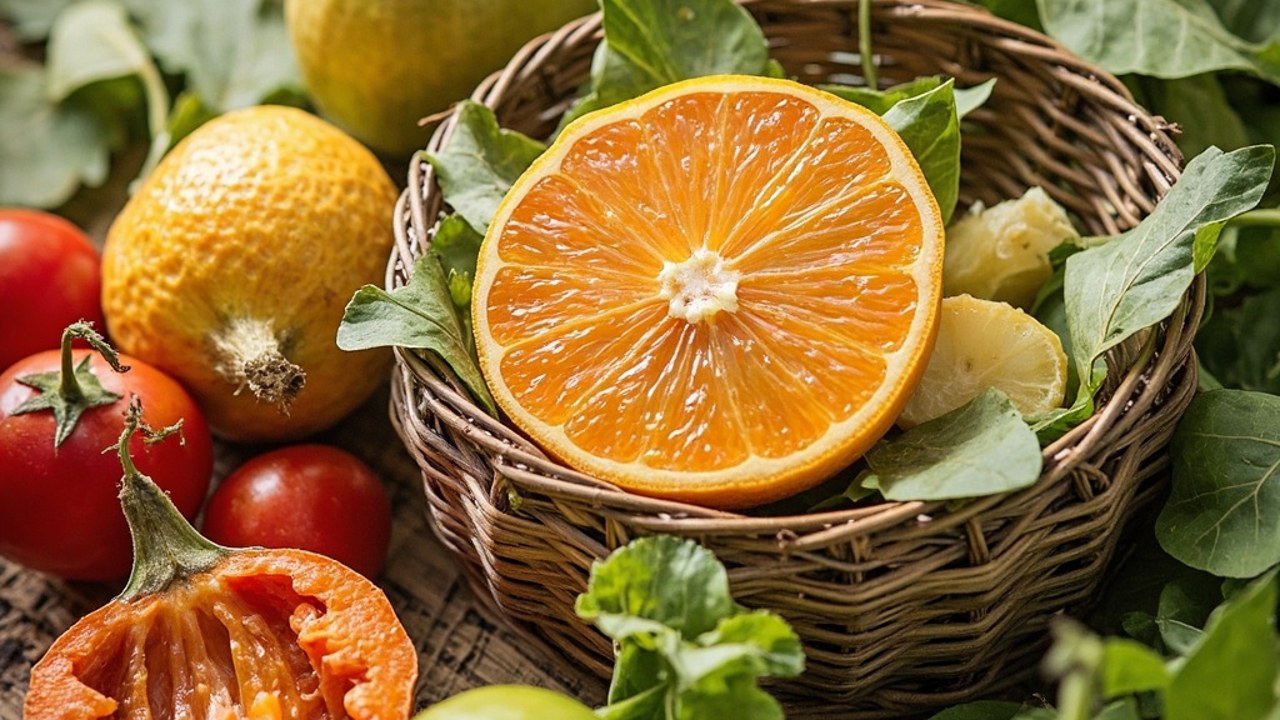
A traditional food for Qingming is qingtuan, a sticky rice ball filled with red bean paste, colored green with mugwort to match the fresh spring foliage. Another beloved custom centers on Dongzhi (Winter Solstice): in northern China, families gather to eat dumplings, a tradition said to protect ears from frostbite during the coldest months.
In southern China, tangyuan (glutinous rice balls) are eaten, symbolizing family reunion and unity. For Mangzhong (Grain in Ear), many regions celebrate with rituals to honor the harvest, such as offering sacrifices to the God of Grain.
Some areas also have the custom of tasting fresh mangoes during this term, as mangoes ripen in late spring to early summer. These customs are not just historical—they are passed down through generations, keeping the solar terms relevant to modern family life.
A common mistake among beginners is assuming solar terms are only for farming. While they originated to guide agricultural work, they now apply to all aspects of life, from diet to health.
Another misconception is that solar terms are fixed to the same Gregorian date every year; in reality, they shift slightly annually due to the tropical year’s extra quarter-day. An expert tip for those new to solar terms: start with the four equinoxes and solstices, as these are the most widely recognized and have the clearest cultural significance.
Focusing on these terms first will help you understand the rest of the system more easily, rather than trying to memorize all 24 at once. This avoids overwhelming new learners and gives them a solid foundation to build on.
Today, solar terms are more than a historical tradition—they are a practical tool for modern life. For example, chefs around the world use solar terms to create seasonal menus: during Dashu (Major Heat), a chef might serve cold cucumber soup and lotus seed congee to help customers beat the summer heat, aligning with the traditional advice to eat light, cooling foods during this term.
Parents use solar terms to teach kids about nature: during Jingzhe (Awakening of Insects), you can talk about how warmer temperatures wake up hibernating bugs, then take a walk to look for ants or butterflies. Teachers can incorporate solar terms into lesson plans: for a science class, students can track the sun’s position during Chunfen to observe equal day and night; for a cultural studies class, they can research Qingming customs and create their own qingtuan.
Wellness apps also use solar terms to provide personalized health tips: during Bailu (White Dew), when the air becomes dry, the app might suggest drinking more water and adding moist foods like pears to your diet. For more ideas on seasonal dishes aligned with these terms, you can explore our guide to solar term-specific foods.
These practical uses show that the ancient wisdom of solar terms still fits into modern, busy lives, connecting people to nature and tradition in meaningful ways.
Solar Term is not only a date on the calendar. In Chinese seasonal culture, it is a way to connect family routines, food choices, weather awareness, and traditional memory.
People often understand a festival or seasonal custom by looking at what families prepare, what they eat, what they avoid, and what ideas they pass to children.
For readers outside China, solar term can be understood as a practical cultural window. It shows how the traditional calendar joins agriculture, family reunion, health ideas, and symbolic customs.
Even when modern families no longer follow every old practice, many people still keep the most meaningful parts because they create rhythm in the year.
The most useful way to study solar term is to ask three questions: What does this date mark in the seasonal cycle? What do people actually do at home or in public life?
Why did those customs become meaningful? These questions keep the article practical and prevent the topic from becoming only a list of facts.
Many traditional customs around seasonal marker are easier to understand when they are grouped by daily life. Food customs usually carry wishes for health, reunion, harvest, or good fortune.
Family customs often focus on visiting relatives, remembering ancestors, sharing meals, or preparing the home for a new seasonal stage.
In a modern setting, people may simplify these customs. A family might keep the reunion meal but skip complicated rituals.
A school might teach the story behind the date rather than ask students to perform old ceremonies. A community event might use seasonal marker as a chance to explain Chinese calendar culture to younger readers.
This flexible pattern is important. Chinese festivals and seasonal customs survive because they can change while keeping their core meaning.
The form may become simpler, but the emotional purpose remains: people use the calendar to remember where they come from, organize family time, and notice the movement of the year.
What should a beginner remember first about seasonal marker? The first point is that the date is part of a larger cultural calendar, not an isolated celebration.
It belongs to a system of seasonal observation, family tradition, and symbolic meaning.
How is seasonal marker different from a simple public holiday? A public holiday mainly tells people when they have time off.
A traditional festival or seasonal marker also explains what the date means, which foods or activities are connected with it, and why families remember it.
Why does seasonal marker still matter today? It matters because it gives people a simple way to connect modern life with inherited culture.
Even a short meal, a family conversation, or a seasonal activity can keep the meaning alive.
{IMG4}

A seasonal marker (called “jieqi” in Chinese) is a 24-period system integrated into the Chinese lunisolar calendar, developed by ancient Chinese astronomers based on the sun’s annual apparent path along the ecliptic. Each seasonal marker represents a ~15-degree segment of the sun’s longitude, marking key seasonal, climatic, and agricultural milestones that align with Earth’s orbit around the Sun. It serves as a practical guide for farming, daily routines, and cultural traditions.
Traditional customs for seasonal markers vary by region but typically center on celebrating seasonal changes, honoring ancestors, and adapting to nature. Common practices include flying kites during Qingming (Pure Brightness), climbing mountains at Start of Autumn to welcome cool weather, holding ancestor worship rituals at Qingming, and praying for rain during Grain Rain (Guyu) to support crop growth. Many customs also tie to local harvest cycles or historical beliefs tied to each seasonal marker.
Foods eaten during seasonal markers are chosen for their seasonal freshness and alignment with traditional Chinese medicine (TCM)’s dietary balance principles. Examples include qingtuan (glutinous rice balls with green fillings) at Qingming, cold noodles at Summer Solstice to cool the body, persimmons at Start of Autumn to nourish the lungs, and dumplings at Start of Winter to ward off cold and symbolize the year’s harvest closing. Some regions also eat local seasonal crops corresponding to each seasonal marker’s harvest period.
Seasonal markers directly correspond to predictable weather and climate shifts because they are rooted in the sun’s position. Each term signals distinct seasonal changes: Start of Spring brings rising temperatures and melting snow in northern China; Grain Rain (Guyu) brings increased rainfall critical for grain development; Summer Solstice is the longest day of the year, marking the peak of summer heat; Winter Solstice is the shortest day, indicating the approach of the coldest period. These terms help farmers plan agriculture and communities prepare for weather events like heatwaves or frost.
Health practices for seasonal markers follow TCM’s philosophy of aligning the body’s qi (vital energy) with natural rhythms. For example, during Summer Solstice, people avoid midday sun exposure, stay hydrated with mild cool foods, and get sufficient rest to prevent qi depletion. At Start of Winter, it’s recommended to eat warm, nourishing foods like lamb soup to boost yang energy, adjust sleep to earlier nights and later mornings to conserve energy, and avoid overexposure to cold. Qingming encourages gentle exercise like walking or tai chi to activate stagnant qi, as the season is often damp.
Wikipedia Tea Harvesting and Chinese Seasonal markers: How Seasons Shape Spring Tea Chinese Seasonal Wellness Guide Meaning Seasonal markers and Chinese Farming: A Practical Guide
May is meteorological spring in China, but local weather ranges from cool northern conditions to…
Read More →
Understand winter in China by month and region, from snowy northeast cities to mild southern…
Read More →
China has no single monsoon month. Compare South China, the Yangtze Meiyu belt, North China,…
Read More →