What Season Is May in China? Calendar and Regional Context
May is meteorological spring in China, but local weather ranges from cool northern conditions to…
Read More →History of Chinese Solar Terms is a practical way to understand how the 24 Chinese solar terms connect seasonal change, traditional calendar wisdom, and everyday life.

If you’ve ever helped your child with a school project about seasonal traditions, or noticed a weather report mentioning “Qingming” or “Winter Solstice” as a key seasonal marker, you’ve encountered the 24 Chinese solar terms. This 2,000-year-old system is far more than a set of ancient dates—it’s a comprehensive guide to nature’s rhythms that shaped Chinese agriculture, daily life, and culture.
The system contains exactly 24 terms, not only the major seasonal turning points. They are arranged in calendar order from early spring to deep winter:
For the full site index, see our 24 Solar Terms guide. For historical background, the Chinese solar terms overview on Wikipedia is a useful external reference.
For culture learners, parents, and teachers, understanding the history of these terms unlocks a window into ancient wisdom that still resonates today. History Of Chinese Solar Terms In this article, we’ll explore how the solar terms were created, their full structure, traditional uses, modern relevance, and common myths to clarify.
Before the solar terms, ancient Chinese people relied on simpler seasonal markers like solstices and equinoxes, but these were too broad for precise farming. By the Warring States period (475–221 BCE), scholars began dividing the year into smaller, meaningful segments based on the sun’s movement along the ecliptic—the path the sun traces across the sky.
The earliest written records of individual solar terms appear in the *Guanzi*, a 4th-century BCE text that linked terms to agricultural tasks like planting millet and harvesting wheat. By the 2nd century BCE, the *Huainanzi* (a collection of philosophical and scientific writings) listed all 24 terms for the first time, each corresponding to a 15-degree shift in the sun’s ecliptic longitude.
This was a groundbreaking achievement: it created a solar-based calendar far more accurate for farming than the lunar calendar alone. History Of Chinese Solar Terms Expert judgment: Beginners should prioritize learning the astronomical basis first, rather than jumping to customs, because this core logic explains why the terms align so closely with real-world seasonal changes.
{IMG2}
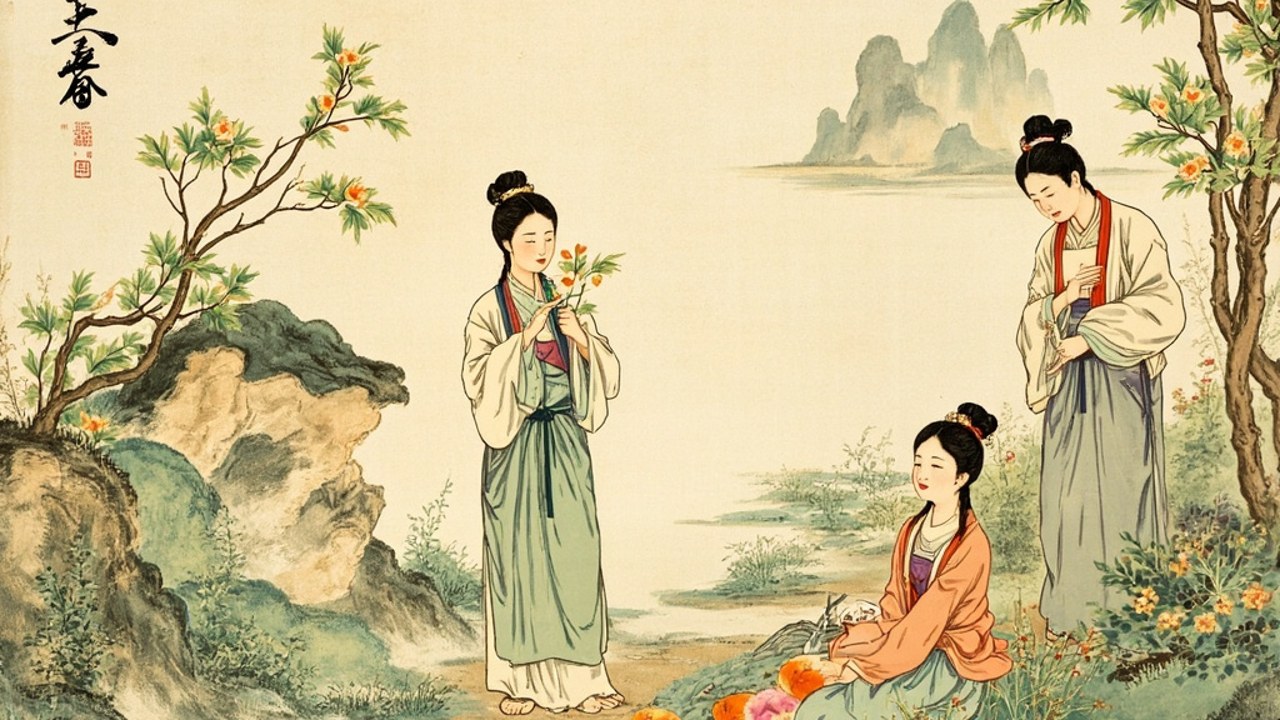
The 24 solar terms are evenly distributed across the year, with six terms per season, each marking a distinct shift in weather, plant growth, or animal behavior. Unlike vague seasonal labels, each term has a specific astronomical and practical meaning.
History Of Chinese Solar Terms Here’s the full, ordered list:
Each term lasts approximately 15 days, so the full cycle takes about 365 days (adjusted slightly for leap years). History Of Chinese Solar Terms For example, Awakening of Insects (Jingzhe) falls when the first spring thunderstorms arrive, waking hibernating animals—this is a direct link to the term’s literal meaning.
For millennia, farmers used the solar terms to time every key task. During Grain in Ear (Mangzhong), southern China’s rice paddies are flooded and seeds are planted, while northern farmers rush to harvest wheat before summer rains.
Customs tied to each term are still practiced today, often passed down through families: At Qingming (Clear and Bright), families visit ancestral graves to sweep tombs and leave offerings, and many fly kites to welcome spring’s warm winds. During Frost’s Descent (Shuangjiang), people in northern China eat persimmons to prevent chapped lips, rooted in the traditional belief that persimmons strengthen the body against cold.
Food is a central part of this connection: During Minor Heat (Xiaoshu), lotus seeds are eaten to cool internal heat, and during Winter Solstice (Dongzhi), northern families make dumplings while southern communities prepare tangyuan (glutinous rice balls) to symbolize reunion. History Of Chinese Solar Terms Expert judgment: A common mistake is thinking these customs are outdated—many remain a practical way to teach kids about seasonal responsibility and cultural identity.
By the Han Dynasty (206 BCE–220 CE), the solar terms were no longer just regional or scholarly concepts. In 104 BCE, Emperor Wu of Han commissioned a new imperial calendar, the *Taichu Calendar*, which officially integrated the 24 solar terms into the national system.
This standardization meant every part of China used the same framework to plan farming, festivals, and daily life. The *Taichu Calendar* merged the solar terms with the lunar calendar, creating a hybrid system still used for traditional festivals today.
For example, the Spring Festival (Chinese New Year) is based on the lunar calendar, but its timing is adjusted to align with the solar terms around Start of Spring (Lichun). History Of Chinese Solar Terms This formalization was critical: it turned a local astronomical tool into a unifying cultural symbol that connected diverse regions of the Chinese empire.
In 2016, UNESCO inscribed the 24 solar terms on the Representative List of the Intangible Cultural Heritage of Humanity, recognizing their global cultural value. Today, the terms remain practical: Chinese weather forecasts often reference solar terms to explain seasonal shifts (e.g., “During Major Heat, temperatures will stay above 35°C for three consecutive days”).
For parents and teachers, the solar terms are a fun educational tool—kids can track persimmon ripening during Frost’s Descent or kite-flying at Qingming. Internationally, culture learners use the terms to understand Chinese seasonal culture, and neighboring East Asian countries (Korea, Japan, Vietnam) have adapted their own versions to fit local climates.
History Of Chinese Solar Terms A natural link here: If you’re interested in exploring specific spring solar terms and their traditions, check our guide to Qingming and its cultural practices.
Three myths often confuse new learners: First, many mix up the solar terms with the lunar calendar—they’re actually a solar calendar system, so their Gregorian dates are almost fixed (e.g., Summer Solstice falls between June 20–22 every year). Second, some think the terms are exclusive to Chinese culture, but neighboring East Asian nations adopted and adapted them for their own agricultural needs.
Third, a common error is seeing the solar terms as outdated—they still help small-scale farmers plan crops, and modern brands use solar terms to market seasonal products (like “Qingming green cakes” sold in urban cafes). History Of Chinese Solar Terms Clarifying these points helps readers view the solar terms as a living, evolving tradition, not just a historical curiosity.
The history of the 24 solar terms is a story of ancient wisdom adapting to human needs, from Warring States farmers to modern families. For anyone exploring Chinese culture, these terms are a gateway—they connect astronomy, agriculture, food, and customs into a cohesive system that still shapes daily life.
History Of Chinese Solar Terms Whether you’re a parent teaching your child about spring’s arrival, a culture learner diving into ancient China, or a teacher planning a lesson, the solar terms offer a clear, practical way to engage with nature and history.
History Of Chinese Solar Terms is not only a date on the calendar. In Chinese seasonal culture, it is a way to connect family routines, food choices, weather awareness, and traditional memory.
People often understand a festival or seasonal custom by looking at what families prepare, what they eat, what they avoid, and what ideas they pass to children.
For readers outside China, History of Chinese Solar Terms can be understood as a practical cultural window. It shows how the traditional calendar joins agriculture, family reunion, health ideas, and symbolic customs.
Even when modern families no longer follow every old practice, many people still keep the most meaningful parts because they create rhythm in the year.
The most useful way to study History of Chinese Solar Terms is to ask three questions: What does this date mark in the seasonal cycle? What do people actually do at home or in public life?
Why did those customs become meaningful? These questions keep the article practical and prevent the topic from becoming only a list of facts.
Many traditional customs around History of Chinese Solar Terms are easier to understand when they are grouped by daily life. Food customs usually carry wishes for health, reunion, harvest, or good fortune.
Family customs often focus on visiting relatives, remembering ancestors, sharing meals, or preparing the home for a new seasonal stage.
In a modern setting, people may simplify these customs. A family might keep the reunion meal but skip complicated rituals.
A school might teach the story behind the date rather than ask students to perform old ceremonies. A community event might use History of Chinese Solar Terms as a chance to explain Chinese calendar culture to younger readers.
This flexible pattern is important. Chinese festivals and seasonal customs survive because they can change while keeping their core meaning.
The form may become simpler, but the emotional purpose remains: people use the calendar to remember where they come from, organize family time, and notice the movement of the year.
{IMG4}
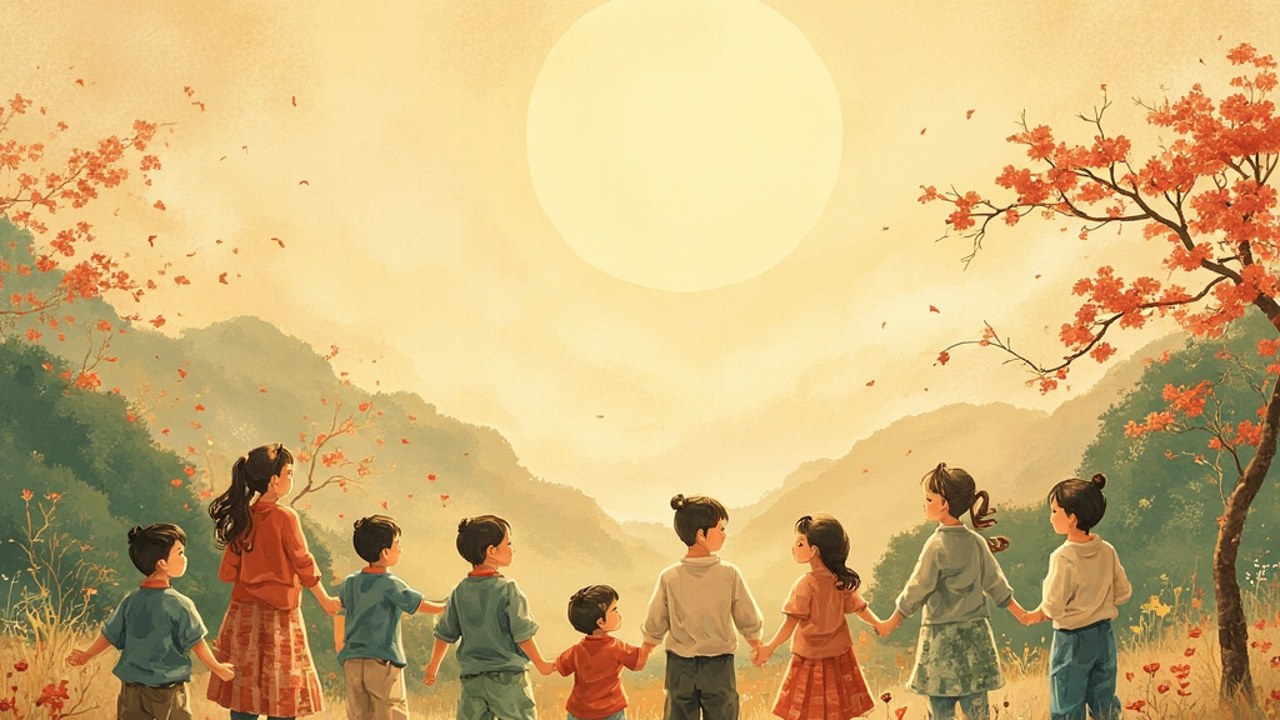
The Chinese solar terms (24 jieqi) are a traditional timekeeping system developed over millennia to align agricultural activities, climate changes, and cultural practices with the Earth’s orbit around the Sun. Early concepts of seasonal markers emerged as early as the Shang Dynasty (c. 1600–1046 BCE), while the full set of 24 standardized terms was formalized during the Han Dynasty (206 BCE–220 CE) after astronomers precisely divided the solar year into 24 equal segments based on the Sun’s ecliptic longitude.
Each solar term has accumulated unique customs rooted in ancient beliefs and seasonal meaning. For example, the imperial “Spring Welcoming” ceremony for Start of Spring (Lichun) dates back to Han Dynasty rituals to pray for bountiful harvests; the Winter Solstice (Dongzhi) tradition of family reunions and eating dumplings or tangyuan originated from ancient views that this day marks the peak of yin energy, requiring warmth and ancestor respect to balance the seasonal cycle.
Solar term dietary customs have ancient roots in both agricultural needs and traditional Chinese medicine (TCM) principles of balancing yin and yang. Records from the Song Dynasty (960–1279 CE) note that people ate light, cooling foods like mung bean soup during Major Heat (Dashu) to combat extreme summer temperatures; during Start of Winter (Lidong), warm, nutrient-dense foods like braised pork were consumed to build energy for the cold months, a practice still followed today.
For thousands of years, solar terms served as a practical guide for farmers and common people. Ancient agricultural texts like the Northern Wei Dynasty’s *Qimin Yaoshu* used solar terms to specify planting and harvesting schedules—for example, sowing winter wheat around Start of Autumn (Liqiu) and harvesting rice before Frost’s Descent (Shuangjiang). They also structured daily routines, such as adjusting work hours to align with seasonal light changes marked by the Spring and Autumn Equinoxes and Summer/Winter Solstices.
Traditional solar term health advice draws from ancient TCM classics like the *Huangdi Neijing* (Yellow Emperor’s Inner Canon). Historically, during White Dew (Bailu), people were advised to add light warm clothing to avoid respiratory issues from sudden temperature drops; during the Autumnal Equinox (Qiufen), they were told to eat moist foods like pears to counter autumn dryness, practices that remain core to modern TCM wellness recommendations.
Wikipedia Winter Solar Terms Guide: Dates, Customs, and Daily Tips Chinese Winter Solstice Festival Meaning 72 Pentads in the 24 Solar Terms Explained
May is meteorological spring in China, but local weather ranges from cool northern conditions to…
Read More →
Understand winter in China by month and region, from snowy northeast cities to mild southern…
Read More →
China has no single monsoon month. Compare South China, the Yangtze Meiyu belt, North China,…
Read More →