
What Season Is May in China? Calendar and Regional Context
May is meteorological spring in China, but local weather ranges from cool northern conditions to…
Read More →
Summer solar terms wellness tips is a practical way to understand how the 24 Chinese solar terms connect seasonal change, traditional calendar wisdom, and everyday life.
This article explains exactly what the 24 Chinese solar terms are, how summer-specific terms shape daily health practices, and practical tips you can use right now. Whether you’re a parent looking to keep kids cool and energized, a teacher exploring traditional culture with students, or someone wanting to adapt to summer’s rhythms, these tips bridge ancient knowledge and modern life.
The system contains exactly 24 terms, not only the major seasonal turning points. They are arranged in calendar order from early spring to deep winter:
For the full site index, see our 24 Solar Terms guide. For historical background, the Chinese solar terms overview on Wikipedia is a useful external reference.
The 24 Chinese solar terms are a precise, 2,000-year-old calendar system developed during the Han Dynasty (206 BCE – 220 CE) to align farming activities with the sun’s position along the ecliptic. Each term marks a 15-degree shift in the sun’s path, creating a year divided into distinct seasonal phases.
There are exactly 24 terms total, and they remain relevant today for both agricultural planning and daily wellness.
The full list of terms is:
Summer Solar Terms Wellness Tips Unlike Gregorian months, these terms follow natural climate patterns, making them a useful framework for adjusting health routines across seasons.
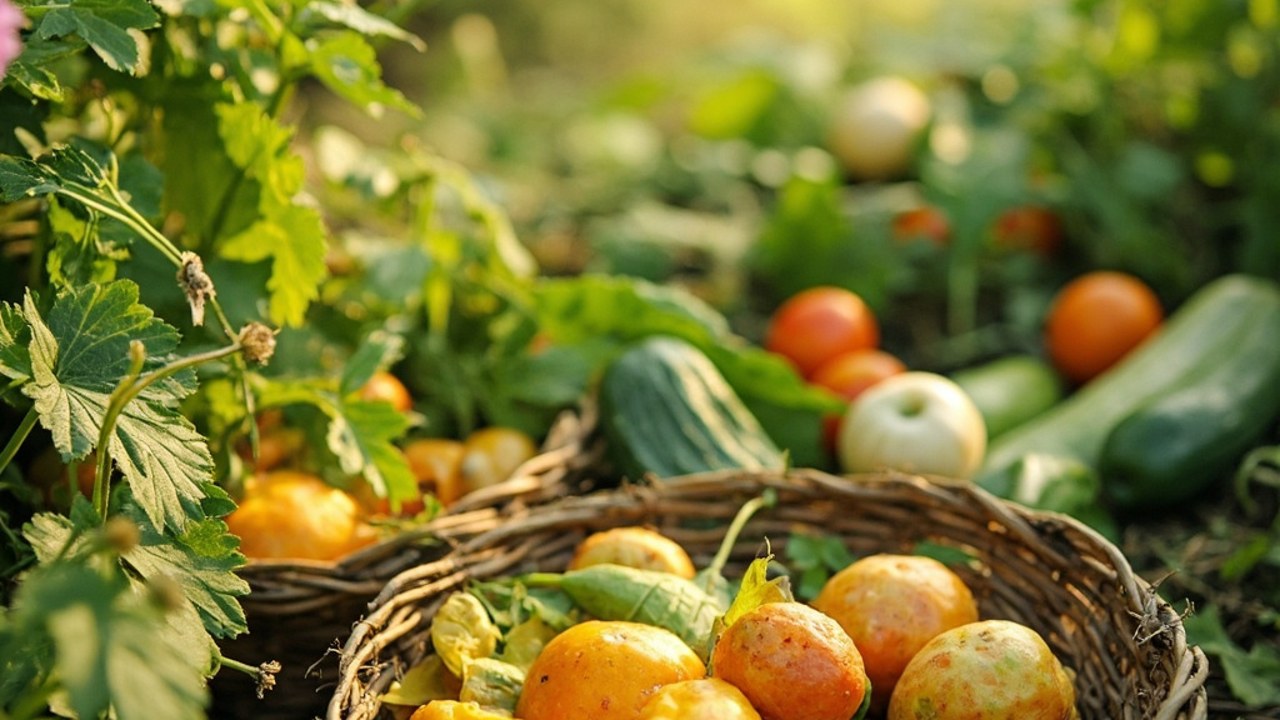
Summer spans six of the 24 solar terms, each with unique climate characteristics that guide wellness choices. The first summer term, Start of Summer (Lixia), falls around May 5, marking the official beginning of warm weather.
Traditional wisdom here emphasizes eating light, bitter foods to clear internal heat—for example, bitter melon soup, which is believed to balance the body’s excess warmth. Next is Grain Buds (Xiaoman, ~May 21), a period of high humidity, so tips focus on reducing dampness through foods like adzuki beans and lotus seeds.
Grain in Ear (Mangzhong, ~June 5) brings longer days and higher energy needs, so small, frequent meals are recommended to avoid fatigue. The most iconic summer term is Summer Solstice (Zhixia, ~June 21), the longest day of the year, where rest and hydration take priority over intense activity.
Minor Heat (Xiaoshu, ~July 7) and Major Heat (Dashu, ~July 22) are the hottest periods, requiring adjustments to both diet and movement to avoid heat-related stress. Summer Solar Terms Wellness Tips Each of these terms offers a specific, time-bound guide to wellness that fits naturally with modern daily life.
The core of summer solar terms wellness tips lies in small, consistent adjustments aligned with seasonal shifts, rather than extreme overhauls. First, adjust your diet to match local, in-season produce tied to the terms.
For example, during Summer Solstice, traditional practice calls for eating watermelon or coconut water—natural, hydrating foods that replenish electrolytes without the sugar overload of processed drinks. A modern twist here is adding a pinch of salt to homemade watermelon juice to enhance electrolyte balance, a tip that aligns with both ancient wisdom and sports science.
Second, align movement with the sun’s rhythm: ancient farmers worked early mornings and late evenings during Major Heat to avoid midday sun, a practice that translates perfectly to modern life. Try swapping a midday gym session for a 20-minute walk at 6 AM or 8 PM, when temperatures are milder and sunlight is gentler.
Third, balance your energy with “yin” practices—yin is the cool, nourishing energy in traditional Chinese medicine, which counteracts summer’s intense “yang” heat. Simple acts like sleeping on a cotton sheet instead of a blanket, keeping bedroom windows open at night (if safe), and avoiding prolonged stays in air-conditioned spaces help maintain this balance.
Fourth, stay hydrated with natural fluids: instead of relying solely on plain water, incorporate herbal teas like chrysanthemum or mint, which are believed to clear heat and soothe digestion. If you want to explore more seasonal wellness practices beyond summer, our complete solar terms health guide offers year-round tips for every term.
Many people new to solar terms wellness make small, avoidable mistakes that can undermine their health in summer. One key error is overusing air conditioning: setting your thermostat below 24°C (75°F) weakens the body’s ability to adapt to natural temperature changes, leading to stiffness, colds, or digestive issues.
An expert judgment here: beginners should aim to keep AC at 25–26°C, and use it in short bursts rather than all day. Another mistake is skipping meals to stay cool: some people avoid eating heavy foods in summer, but traditional wisdom says skipping meals can lower energy levels and weaken immunity.
Instead, eat small, nutrient-dense meals like congee with vegetables or grilled fish, which are light but satisfying. A third common mistake is wearing synthetic fabrics: tight, synthetic clothes trap heat and sweat, increasing the risk of rashes or overheating.
Opt for loose, cotton or linen clothes, which allow air to circulate and keep the body cool. Summer Solar Terms Wellness Tips Finally, avoid excessive intake of icy foods like frozen soda or ice cream: while they provide immediate coolness, they can upset the stomach and disrupt digestion, a point emphasized in ancient texts as a key summer wellness warning.
The true value of summer solar terms wellness tips is their accessibility for everyday routines, especially for parents and teachers looking to connect culture and health. For parents, Summer Solstice is a perfect opportunity to teach kids about seasonal rhythms: make a simple sundial together to track the longest day, then cook mung bean soup as a family activity.
This combines hands-on learning with a traditional wellness practice, helping kids understand both culture and healthy habits. For teachers, the summer terms can be a fun classroom activity: create a chart of the six summer terms, their dates, and corresponding foods, then have students sample seasonal produce like bitter melon or watermelon while discussing why these foods are recommended.
Even for busy adults, small adjustments like drinking coconut water on Summer Solstice or taking an evening walk during Major Heat can add up to better seasonal health. Unlike rigid wellness plans, solar terms wellness is flexible, adapting to your schedule while staying rooted in ancient wisdom that has stood the test of time.
Summer Solar Terms Wellness Tips is not only a date on the calendar. In Chinese seasonal culture, it is a way to connect family routines, food choices, weather awareness, and traditional memory.
People often understand a festival or seasonal custom by looking at what families prepare, what they eat, what they avoid, and what ideas they pass to children.
For readers outside China, summer solar terms wellness tips can be understood as a practical cultural window. It shows how the traditional calendar joins agriculture, family reunion, health ideas, and symbolic customs.
Even when modern families no longer follow every old practice, many people still keep the most meaningful parts because they create rhythm in the year.
The most useful way to study summer solar terms wellness tips is to ask three questions: What does this date mark in the seasonal cycle? What do people actually do at home or in public life?
Why did those customs become meaningful? These questions keep the article practical and prevent the topic from becoming only a list of facts.
Many traditional customs around summer solar terms wellness tips are easier to understand when they are grouped by daily life. Food customs usually carry wishes for health, reunion, harvest, or good fortune.
Family customs often focus on visiting relatives, remembering ancestors, sharing meals, or preparing the home for a new seasonal stage.
In a modern setting, people may simplify these customs. A family might keep the reunion meal but skip complicated rituals.
A school might teach the story behind the date rather than ask students to perform old ceremonies. A community event might use summer solar terms wellness tips as a chance to explain Chinese calendar culture to younger readers.
This flexible pattern is important. Chinese festivals and seasonal customs survive because they can change while keeping their core meaning.
The form may become simpler, but the emotional purpose remains: people use the calendar to remember where they come from, organize family time, and notice the movement of the year.
What should a beginner remember first about summer solar terms wellness tips? The first point is that the date is part of a larger cultural calendar, not an isolated celebration.
It belongs to a system of seasonal observation, family tradition, and symbolic meaning.
How is summer solar terms wellness tips different from a simple public holiday? A public holiday mainly tells people when they have time off.
A traditional festival or seasonal marker also explains what the date means, which foods or activities are connected with it, and why families remember it.
Why does summer solar terms wellness tips still matter today? It matters because it gives people a simple way to connect modern life with inherited culture.
Even a short meal, a family conversation, or a seasonal activity can keep the meaning alive.
Spring Solar Terms Guide Meaning Jingzhe Customs and Foods: Awakening of Insects Guide Winter Solstice China Meaning: Chinese Solar Term Explained

Summer solar terms wellness tips focus on heat, humidity, hydration, lighter meals, and balanced rest. They are best used as seasonal guidance, not as medical treatment.
Summer Solar Terms Wellness Tips Explained should be evaluated through calendar position, seasonal observation, and regional limits. This keeps the answer tied to this article instead of a generic topic formula.
Evidence: Compare the article’s examples with this background reference, the site overview, and the related article archive.
Quick reference: Summer Solar Terms Wellness Tips Explained = direct answer + calendar position, seasonal observation, and regional limits + a stated usage boundary.
Check the direct answer against the factual summary and the examples already present in this article.
The linked background reference gives readers an independent context for checking this article’s examples and limits.
May is meteorological spring in China, but local weather ranges from cool northern conditions to…
Read More →
Understand winter in China by month and region, from snowy northeast cities to mild southern…
Read More →
China has no single monsoon month. Compare South China, the Yangtze Meiyu belt, North China,…
Read More →