
What Season Is May in China? Calendar and Regional Context
May is meteorological spring in China, but local weather ranges from cool northern conditions to…
Read More →
Chinese Seasonal Wellness Guide is a practical way to understand how the 24 Chinese solar terms connect seasonal change, traditional calendar wisdom, and everyday life.
This Chinese Seasonal Wellness Guide breaks down how each term shapes daily health, with practical, adaptable tips rooted in ancient wisdom that works for modern life. First, a critical clarification: there are exactly 24 solar terms, each marking a precise point in Earth’s orbit around the sun, not just a vague seasonal label.
The full, standard list is: Lichun (Start of Spring), Yushui (Rain Water), Jingzhe (Awakening of Insects), Chunfen (Spring Equinox), Qingming (Clear and Bright), Guyu (Grain Rain), Lixia (Start of Summer), Xiaoman (Grain Buds), Mangzhong (Grain in Ear), Xiazhi (Summer Solstice), Xiaoshu (Minor Heat), Dashu (Major Heat), Liqiu (Start of Autumn), Chushu (End of Heat), Bailu (White Dew), Qiufen (Autumn Equinox), Hanlu (Cold Dew), Shuangjiang (Frost’s Descent), Lidong (Start of Winter), Xiaoxue (Minor Snow), Daxue (Major Snow), Dongzhi (Winter Solstice), Xiaohan (Minor Cold), Dahan (Major Cold). Each term lasts roughly 15 days, and together they create a step-by-step framework for adjusting diet, sleep, and activity to align with nature’s rhythms—no strict rules, just small, intentional changes.
At the heart of this system is the concept of yin-yang balance, where each solar term shifts the relative energy of these two forces. For example, during the Summer Solstice (Xiazhi), yang energy peaks, while the Winter Solstice (Dongzhi) marks the lowest point of yang, with yin energy dominant.
A key expert tip for beginners: start with the four “start” terms (Lichun, Lixia, Liqiu, Lidong) first. These mark major seasonal transitions and require minimal adjustments, making them easy to integrate into daily routines without feeling overwhelming.
Unlike Western seasonal guidelines that often lump three months together, solar terms offer granular, timely cues—for instance, Yushui (Rain Water) signals increased rainfall and dampness, a detail that helps people adjust their diet to avoid sluggishness. Chinese Seasonal Wellness Guide This precision is why the system has remained relevant for millennia, even as modern lifestyles shift.
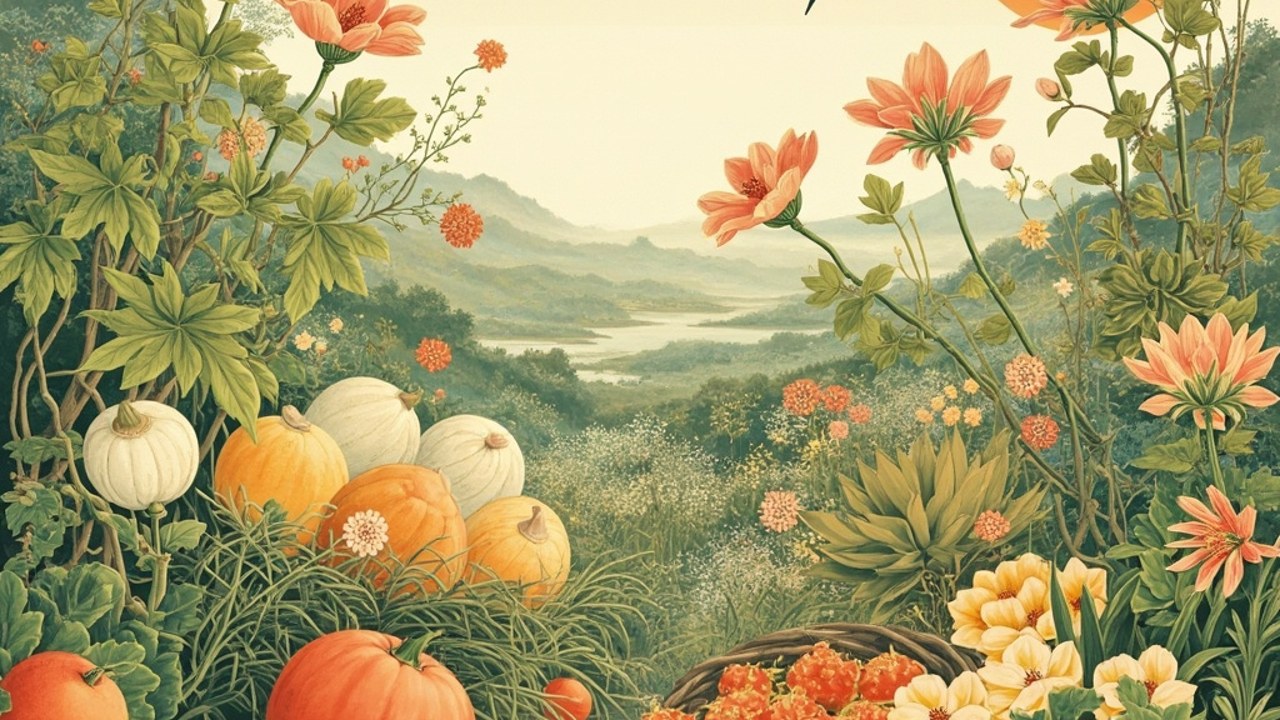
Spring runs from Lichun (early February) to Guyu (mid-April), a period when nature comes back to life and yang energy begins to rise. For Lichun, a traditional custom is “biting spring”: eating thin spring pancakes rolled with vegetables, or a crisp radish, to boost the body’s new growth energy.
Modern adaptions include adding a side of sautéed spinach for extra iron, which supports energy levels after winter. Next, Yushui brings frequent light rain, so the focus shifts to dispelling dampness—foods like red beans, coix seeds, and mild ginger help reduce bloating and fatigue.
Jingzhe (Awakening of Insects) in early March is marked by thunderstorms, so avoiding cold, raw foods (like ice salads) is key to protecting the digestive system; many people eat garlic or chives to boost immunity as pollination season starts. Chunfen (Spring Equinox) brings equal day and night, so balancing sleep to 7-8 hours nightly helps align circadian rhythms.
Qingming (Clear and Bright) in early April is a time for both ancestral visits and spring outings; a traditional food here is qingtuan—green rice balls made with mugwort, which has anti-inflammatory properties and helps clear heat. Finally, Guyu (mid-April) focuses on nourishing the liver, so adding chive shoots or fresh peas to meals supports detoxification.
Chinese Seasonal Wellness Guide For parents, this is a great time to involve kids in growing small herb pots, linking seasonal changes to hands-on learning.
Summer spans Lixia (early May) to Dashu (late July), when yang energy peaks and temperatures rise. Lixia marks the start of summer, with a custom of “weighing children” to track their growth; eating light, nutrient-dense foods like lotus seeds and mung beans is recommended to keep energy steady without overheating.
Xiaoman (mid-May) brings increasing humidity, so staying hydrated with herbal teas (chrysanthemum or mint) is better than sugary drinks. Mangzhong (early June) is the start of rice planting season, and locals often eat bamboo shoots to clear internal heat and support digestion.
Xiazhi (Summer Solstice) has the longest day of the year, so eating “longevity noodles” (long, uncut wheat noodles) is a tradition to honor vitality. A common mistake in summer wellness is overeating cold foods (like ice cream) to beat heat—this can damage the spleen, leading to digestive issues.
Instead, balance with slightly cooling foods like cucumber or watermelon rind. Chinese Seasonal Wellness Guide Xiaoshu (mid-July) and Dashu (late July) are the hottest days, so taking a 15-30 minute midday nap (called “wu jiao”) helps restore energy, and avoiding direct sun during peak hours (12-3 PM) prevents heat exhaustion.
Autumn runs from Liqiu (early August) to Shuangjiang (early November), when nature dries out and yin energy begins to rise. Liqiu is a time when many people “eat autumn fat” to prepare for cold months, but modern adaptions lean into lighter options like pears and lotus root instead of heavy meat.
Chushu (mid-August) signals the end of extreme heat, so adjusting to cooler weather by adding layers gradually helps avoid sudden colds. Bailu (White Dew) in early September brings morning dew, so the focus shifts to moisturizing the lungs and skin—eating pears, honey, and sesame seeds is a traditional remedy for dry coughs and itchy skin.
Qiufen (Autumn Equinox) brings equal day and night, so balancing yin and yang with both sweet and sour foods (like apples or plums) supports overall health. Hanlu (Cold Dew) in mid-October brings colder nights, so wearing warmer socks and avoiding drafts becomes important.
Shuangjiang (Frost’s Descent) in early November is when the first frost appears, and locals often eat persimmons to warm the body and boost vitamin C. Chinese Seasonal Wellness Guide For teachers, this is a great topic to integrate into science lessons about seasonal changes and plant cycles.
Winter spans Lidong (early November) to Dahan (mid-January), when yin energy peaks and the body needs to rest and store energy. Lidong marks the start of winter, with a custom of eating dumplings to warm the body; the filling often includes cabbage and pork, which are both nourishing and easy to digest.
Xiaoxue (mid-November) brings light snow, so eating mutton soup with ginger and scallions helps boost yang energy and keep circulation going. Daxue (early December) brings heavier snow, so avoiding going out in extreme cold and eating nuts (walnuts, chestnuts) to nourish the kidneys is recommended.
Dongzhi (Winter Solstice) has the shortest day of the year, and a key tradition is eating tangyuan—glutinous rice balls filled with sesame or red bean paste—symbolizing family unity and the start of longer days ahead. Xiaohan (mid-January) and Dahan (mid-January) are the coldest days, so drinking ginger tea regularly and wearing warm layers (especially for the neck and feet) helps stay comfortable.
Chinese Seasonal Wellness Guide An expert tip here: winter is not the time for intense exercise; instead, gentle activities like tai chi or a morning walk in the sun keep circulation going without draining energy.
For overseas readers, parents, and teachers, the beauty of this guide is its flexibility—you don’t need to follow every ancient custom, just pick small, actionable steps. For example, a parent in Canada can track solar terms via solarterms24.com and adjust their family’s meals: in Lichun, make simple spring pancakes with store-bought whole-grain tortillas and veggies; in autumn, add sliced pear to kids’ oatmeal for moisture.
A teacher in Australia (where seasons are reversed) can adapt the terms to align with their local climate, using Qingming’s focus on growth to teach kids about spring plants. Another practical use: using solar terms to plan self-care routines—for instance, during Bailu, add a honey and lemon drink to your morning routine to fight dryness.
Chinese Seasonal Wellness Guide This guide is designed to be a living resource, not a rigid set of rules, helping you connect with nature’s rhythms regardless of where you live.
Chinese Seasonal Wellness Guide is not only a date on the calendar. In Chinese seasonal culture, it is a way to connect family routines, food choices, weather awareness, and traditional memory.
People often understand a festival or seasonal custom by looking at what families prepare, what they eat, what they avoid, and what ideas they pass to children.
For readers outside China, Chinese Seasonal Wellness Guide can be understood as a practical cultural window. It shows how the traditional calendar joins agriculture, family reunion, health ideas, and symbolic customs.
Even when modern families no longer follow every old practice, many people still keep the most meaningful parts because they create rhythm in the year.
The most useful way to study Chinese Seasonal Wellness Guide is to ask three questions: What does this date mark in the seasonal cycle? What do people actually do at home or in public life?
Why did those customs become meaningful? These questions keep the article practical and prevent the topic from becoming only a list of facts.
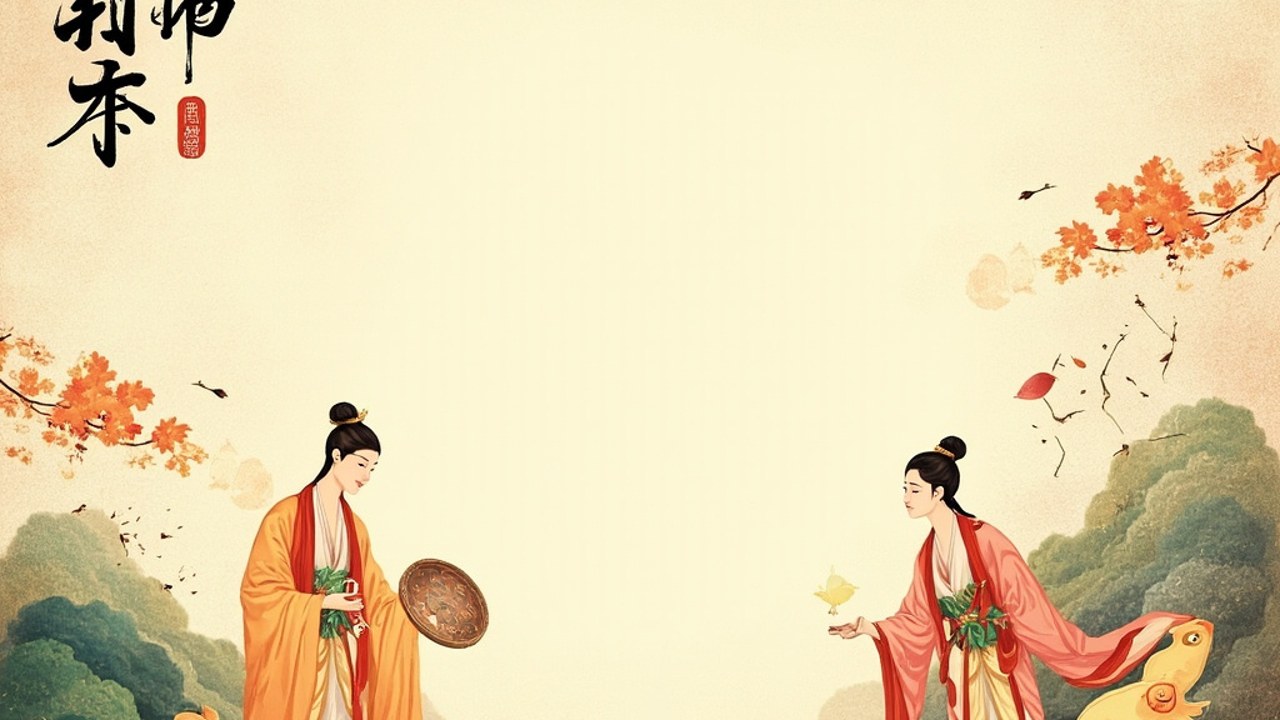
It is a traditional health framework rooted in Traditional Chinese Medicine (TCM) that aligns daily life, diet, and wellness practices with the 24 Chinese solar terms—seasonal markers derived from the sun’s annual ecliptic path, which divide the Chinese lunisolar calendar into distinct periods to adapt to climate and physiological changes.
Traditional customs for the guide include season-specific rituals and balanced behaviors: examples are holding spring-welcoming ceremonies at the Start of Spring to mark the new health and agricultural cycle, eating symbolic seasonal foods during key solar terms (like dumplings at the Winter Solstice), and adjusting social and work activities to avoid extreme cold or heat that could disrupt bodily balance.
Seasonal foods follow TCM’s core principle of “eating in harmony with the season”: warm, yang-boosting foods (such as mutton soup, red dates, and ginger) are commonly consumed in cold winter to nourish the body’s energy; cooling, yin-clearing foods (like mung beans, watermelon, and lotus root) are eaten in hot summer to reduce internal heat; and fresh, seasonal produce (bamboo shoots in spring, lotus seeds in autumn) are prioritized to match the body’s changing nutritional needs.
The Chinese Seasonal Wellness Guide does not influence weather patterns, but it is entirely developed around predictable weather and climate shifts tied to each solar term. It uses observed seasonal changes—such as the frigid temperatures of Major Cold, the sweltering heat of Major Heat, or the high humidity of Grain in Ear—to tailor wellness advice that helps the body adapt to environmental conditions and maintain balance.
Recommended health practices are based on TCM’s focus on balancing yin and yang energies: adjusting daily routines (sleeping earlier and rising later in winter to conserve vitality, sleeping later and going to bed earlier in summer to align with longer daylight hours), engaging in mild, season-appropriate exercise (like tai chi or qigong in spring to boost circulation), using targeted therapies such as herbal teas or cupping to address seasonal imbalances, and avoiding extreme behaviors (such as overexertion in summer heat or prolonged exposure to cold winds in winter).
{
“@context”: “https://schema.org”,
“@type”: “FAQPage”,
“mainEntity”: [
{
“@type”: “Question”,
“name”: “What is Chinese Seasonal Wellness Guide in the Chinese calendar?”,
“acceptedAnswer”: {
“@type”: “Answer”,
“text”: “It is a traditional health framework rooted in Traditional Chinese Medicine (TCM) that aligns daily life, diet, and wellness practices with the 24 Chinese solar terms—seasonal markers derived from the sun’s annual ecliptic path, which divide the Chinese lunisolar calendar into distinct periods to adapt to climate and physiological changes.”
}
},
{
“@type”: “Question”,
“name”: “What are the traditional customs of Chinese Seasonal Wellness Guide?”,
“acceptedAnswer”: {
“@type”: “Answer”,
“text”: “Traditional customs for the guide include season-specific rituals and balanced behaviors: examples are holding spring-welcoming ceremonies at the Start of Spring to mark the new health and agricultural cycle, eating symbolic seasonal foods during key solar terms (like dumplings at the Winter Solstice), and adjusting social and work activities to avoid extreme cold or heat that could disrupt bodily balance.”
}
},
{
“@type”: “Question”,
“name”: “What foods are eaten during Chinese Seasonal Wellness Guide?”,
“acceptedAnswer”: {
“@type”: “Answer”,
“text”: “Seasonal foods follow TCM’s core principle of “eating in harmony with the season”: warm, yang-boosting foods (such as mutton soup, red dates, and ginger) are commonly consumed in cold winter to nourish the body’s energy; cooling, yin-clearing foods (like mung beans, watermelon, and lotus root) are eaten in hot summer to reduce internal heat; and fresh, seasonal produce (bamboo shoots in spring, lotus seeds in autumn) are prioritized to match the body’s changing nutritional needs.”
}
},
{
“@type”: “Question”,
“name”: “How does Chinese Seasonal Wellness Guide affect the weather?”,
“acceptedAnswer”: {
“@type”: “Answer”,
“text”: “The Chinese Seasonal Wellness Guide does not influence weather patterns, but it is entirely developed around predictable weather and climate shifts tied to each solar term. It uses observed seasonal changes—such as the frigid temperatures of Major Cold, the sweltering heat of Major Heat, or the high humidity of Grain in Ear—to tailor wellness advice that helps the body adapt to environmental conditions and maintain balance.”
}
},
{
“@type”: “Question”,
“name”: “What health practices are recommended for Chinese Seasonal Wellness Guide?”,
“acceptedAnswer”: {
“@type”: “Answer”,
“text”: “Recommended health practices are based on TCM’s focus on balancing yin and yang energies: adjusting daily routines (sleeping earlier and rising later in winter to conserve vitality, sleeping later and going to bed earlier in summer to align with longer daylight hours), engaging in mild, season-appropriate exercise (like tai chi or qigong in spring to boost circulation), using targeted therapies such as herbal teas or cupping to address seasonal imbalances, and avoiding extreme behaviors (such as overexertion in summer heat or prolonged exposure to cold winds in winter).”
}
}
]
}
Wikipedia What Nobody Tells You About Mooncake Tradition Summer Solstice (Xiazhi) 2026: Date, Meaning & Traditions White Dew: Complete Guide to Bailu Solar Term
{
“@context”: “https://schema.org”,
“@type”: “Article”,
“headline”: “Chinese Seasonal Wellness Guide Meaning”,
“description”: “Chinese Seasonal Wellness Guide: At the heart of this system is the concept of yin-yang balance, where each solar t…”,
“author”: {
“@type”: “Person”,
“name”: “Editorial Team”
},
“datePublished”: “2026-07-01T23:10:20.023068+00:00”,
“dateModified”: “2026-07-01T23:10:20.023068+00:00”
}
May is meteorological spring in China, but local weather ranges from cool northern conditions to…
Read More →
Understand winter in China by month and region, from snowy northeast cities to mild southern…
Read More →
China has no single monsoon month. Compare South China, the Yangtze Meiyu belt, North China,…
Read More →