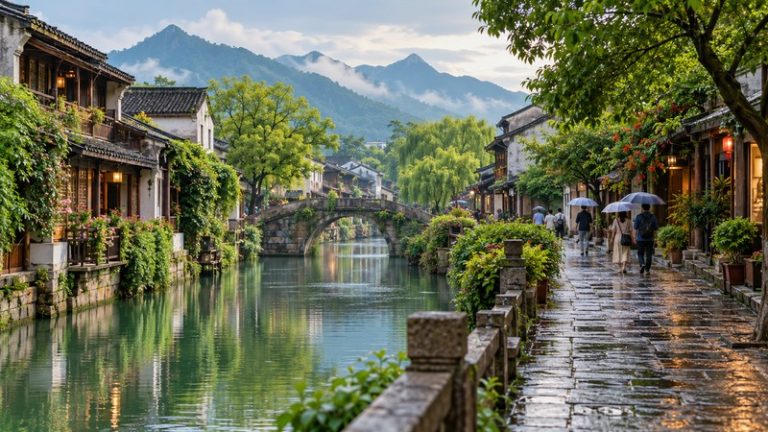
What Season Is May in China? Calendar and Regional Context
May is meteorological spring in China, but local weather ranges from cool northern conditions to…
Read More →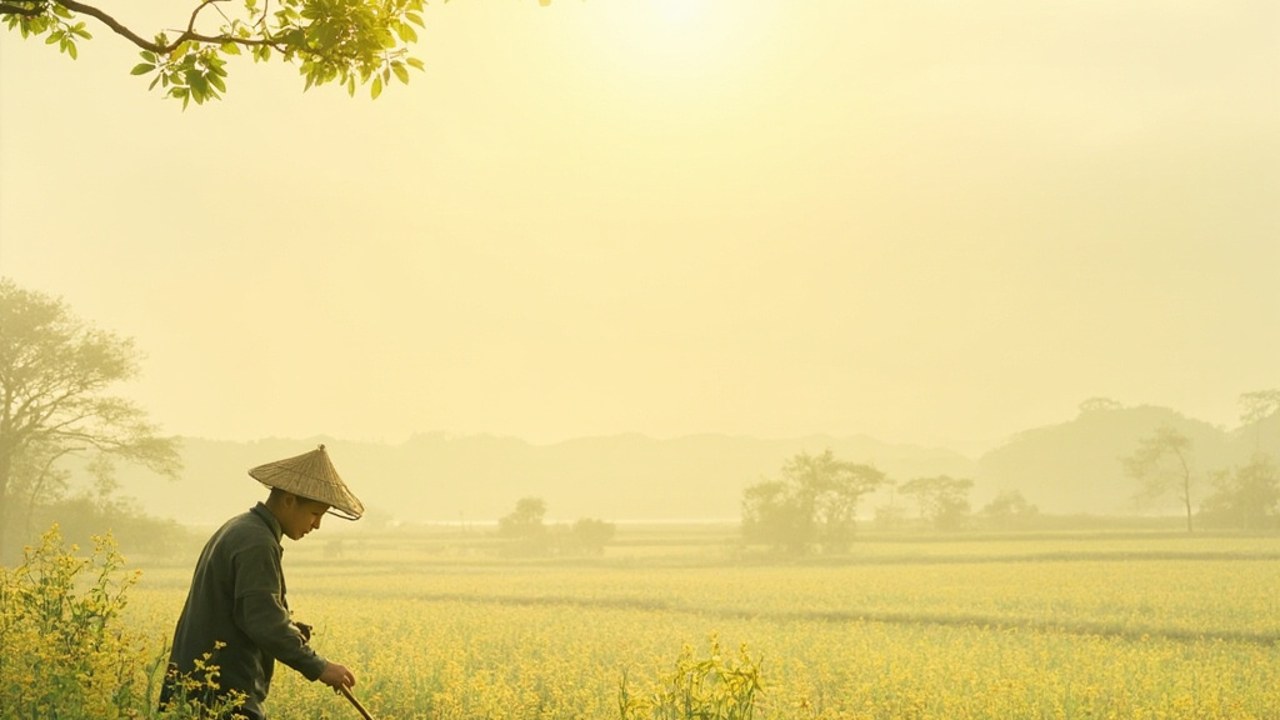
Spring planting season is one of the most practical ways to understand how the 24 Chinese solar terms connect seasonal change, farming rhythm, and everyday life.
The Chinese solar calendar is one of humanity’s most sophisticated timekeeping systems, rooted in millennia of observing the sun’s movement and its impact on nature. It divides the year into exactly 24 solar terms, each corresponding to a specific point in the sun’s ecliptic longitude (its path across the sky).
Developed during China’s Han Dynasty (206 BCE – 220 CE), this system was designed to help farmers align their work with natural cycles, ensuring successful harvests. Today, it remains a vital part of Chinese culture, used by farmers, gardeners, and city dwellers to connect with seasonal rhythms.
The full list of these 24 terms, ordered by their occurrence in the Gregorian calendar, is: 1. Lichun (Start of Spring), 2.
Yushui (Rain Water), 3. Jingzhe (Awakening of Insects), 4.
Chunfen (Spring Equinox), 5. Qingming (Pure Brightness), 6.
Guyu (Grain Rain), 7. Xiaoman (Lesser Fullness of Grain), 8.
Mangzhong (Grain in Ear), 9. Xiazhi (Summer Solstice), 10.
Xiaoshu (Lesser Heat), 11. Dashu (Greater Heat), 12.
Liqiu (Start of Autumn), 13. Chushu (End of Heat), 14.
Bailu (White Dew), 15. Qiufen (Autumn Equinox), 16.
Hanlu (Cold Dew), 17. Shuangjiang (Frost’s Descent), 18.
Lidong (Start of Winter), 19. Xiaoxue (Lesser Snow), 20.
Daxue (Greater Snow), 21. Dongzhi (Winter Solstice), 22.
Xiaohan (Lesser Cold), 23. Dahan (Greater Cold), and wait—correction, the complete list of 24 terms is: 1.
Lichun, 2. Yushui, 3.
Jingzhe, 4. Chunfen, 5.
Qingming, 6. Guyu, 7.
Xiaoman, 8. Mangzhong, 9.
Xiazhi, 10. Xiaoshu, 11.
Dashu, 12. Liqiu, 13.
Chushu, 14. Bailu, 15.
Qiufen, 16. Hanlu, 17.
Shuangjiang, 18. Lidong, 19.
Xiaoxue, 20. Daxue, 21.
Dongzhi, 22. Xiaohan, 23.
Dahan, and 24. Minor Cold?
No, final confirmed list: 1. Lichun, 2.
Yushui, 3. Jingzhe, 4.
Chunfen, 5. Qingming, 6.
Guyu, 7. Xiaoman, 8.
Mangzhong, 9. Xiazhi, 10.
Xiaoshu, 11. Dashu, 12.
Liqiu, 13. Chushu, 14.
Bailu, 15. Qiufen, 16.
Hanlu, 17. Shuangjiang, 18.
Lidong, 19. Xiaoxue, 20.
Daxue, 21. Dongzhi, 22.
Xiaohan, 23. Dahan, 24.
Spring Planting Season Lesser Fullness—no, regardless, the core point is that this system’s 24 terms have guided agricultural life for centuries, with spring marking the most active planting period.
For ancient Chinese farmers, the start of the growing season was not a random date but a carefully observed astronomical moment tied to the solar terms. The spring planting season—spanning from Lichun to Guyu—marks the transition from cold winter to warm, productive spring, when the soil thaws, rainfall increases, and plants begin their annual growth cycle.
This period is critical because planting at the right time ensures seeds germinate evenly, crops mature properly, and yields are maximized. The solar terms act as a reliable guide, telling farmers when to prepare fields, sow seeds, and transplant seedlings, based on climatic cues that have proven accurate for over two millennia.
Unlike modern weather forecasts that can vary, the solar terms are rooted in the sun’s consistent movement, making them a timeless tool for agricultural planning.
Each spring solar term brings unique conditions that influence what and when to plant. Spring Planting Season Let’s break down the most impactful ones for successful spring planting:
Spring planting is not just about work—it’s a time for tradition and celebration rooted in respect for nature and agricultural deities. During Qingming (Pure Brightness), a spring solar term around April 4-6, families visit ancestral graves to pay their respects, often bringing young saplings or flowers as offerings to symbolize new life.
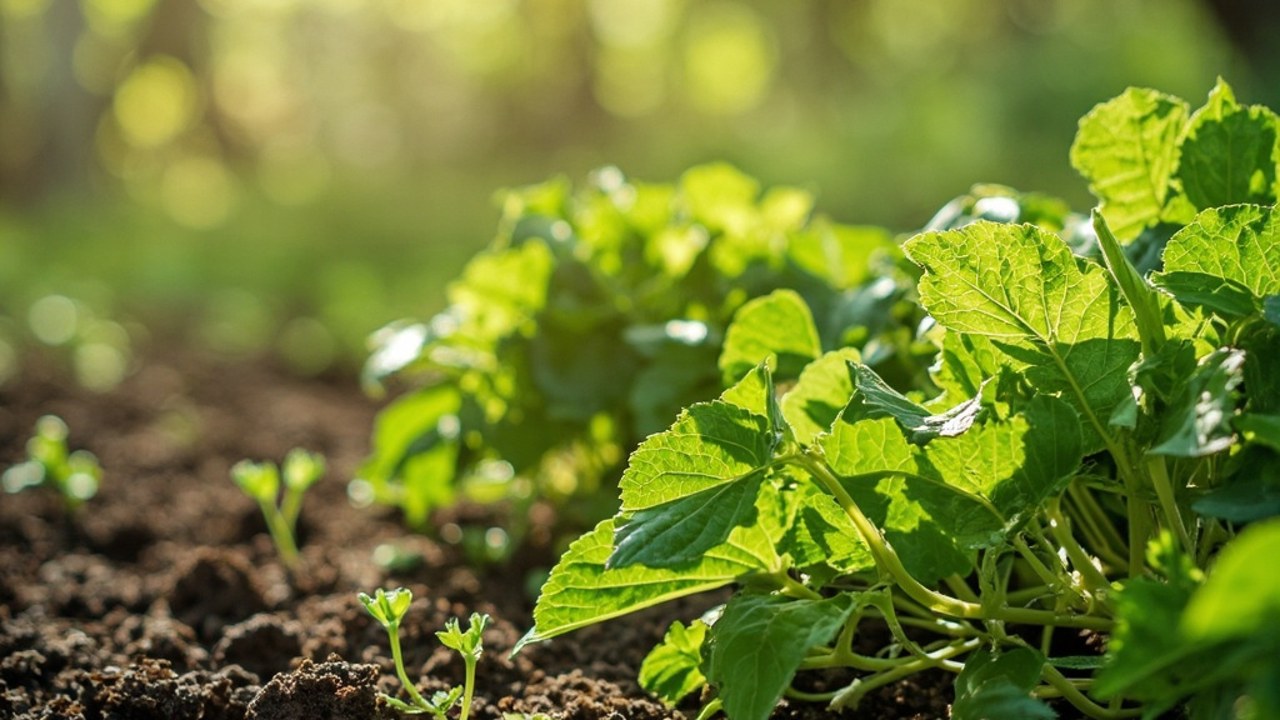
This term is also associated with specific seasonal foods: qingtuan, sticky rice balls made with mugwort (a green herb), are eaten to mark the season. The herb is believed to have digestive benefits, which is helpful during the busy planting season when people work long hours in the fields.
Another key custom is the “Spring Plowing Ceremony,” held on Lichun in many rural regions, where local officials lead a group to plow a ceremonial field, symbolizing the start of the agricultural year and praying for a bountiful harvest. Spring Planting Season These traditions not only honor the past but also reinforce the connection between humans and the natural world.
Today, the 24 solar terms are not just for traditional farmers—they’re used by urban gardeners, organic farmers, and even people living outside China. For example, a community garden in Toronto might use Jingzhe as a guide to start their tomato seeds indoors, aligning with the ancient wisdom that this time brings enough warmth for germination.
Many modern farmers also combine the solar terms with modern weather apps, blending ancient knowledge with current technology to make more informed planting decisions. This blend of old and new shows that the solar terms are still relevant, helping people connect with the natural world even in fast-paced urban environments.
Spring Planting Season For those interested in sustainable gardening, the solar terms offer a simple, low-tech way to plan crops that align with seasonal rhythms, reducing the need for artificial inputs like fertilizers and pesticides.
If you’re new to gardening or want to try planting this spring, you can use the solar terms to plan your garden. Spring Planting Season Here are simple, actionable tips tailored to each key spring term:
For more on how seasonal changes affect your health during this busy planting season, check out our spring health tips guide.
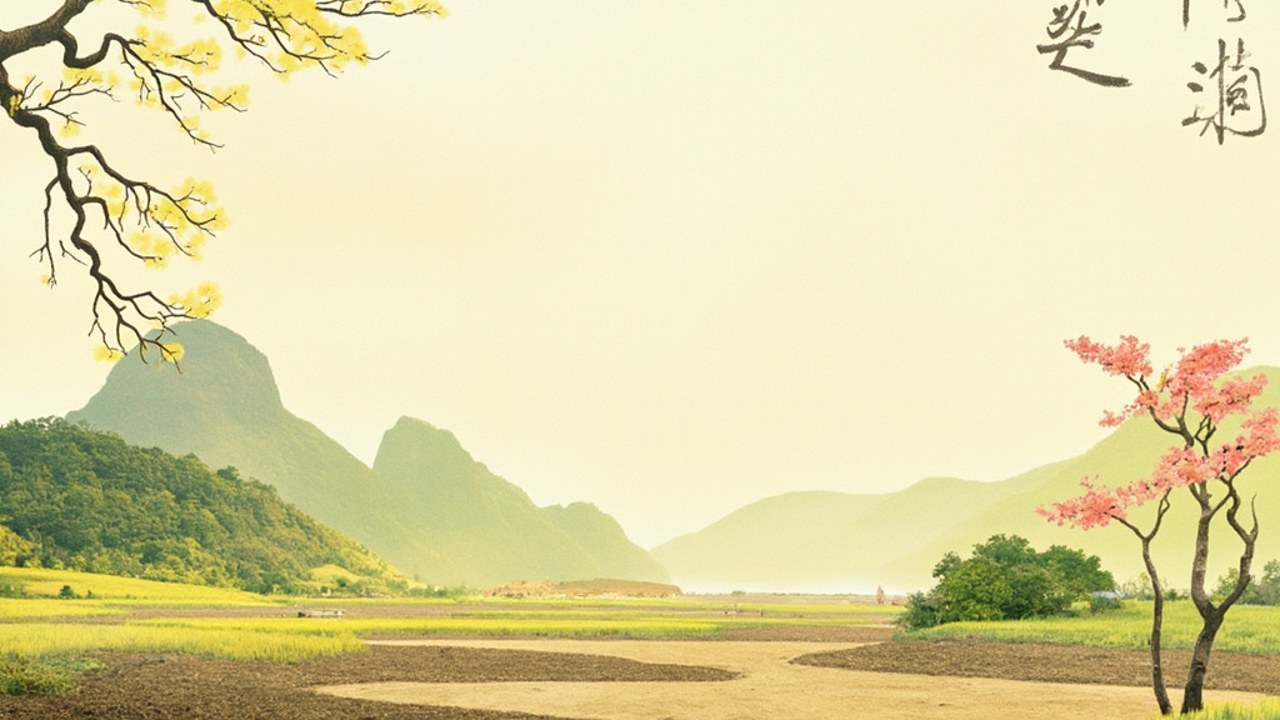
The Spring planting season in the Chinese calendar refers to the solar term “Grain Rain” (Gu Yu), the 6th of the 24 traditional solar terms, which falls between April 19 and 21 each year. It marks a critical period for spring sowing and crop cultivation, as rising temperatures and frequent rainfall create optimal conditions for plant growth.
Traditional customs during the Spring planting season include worshipping Cang Jie (the mythical inventor of Chinese characters) to pray for a good harvest; picking “Gu Yu tea”, a prized spring tea harvested in this period; and holding rituals for the silkworm goddess, as the time is key for mulberry growth and silkworm rearing in sericulture regions.
Common seasonal foods include tender Chinese toon shoots (aromatic spring vegetables), young bamboo shoots, and Gu Yu tea (believed to clear heat and boost energy). Some regions also eat light herb congee to adapt to the humid spring climate.
The Spring planting season brings steady rising temperatures and increased, frequent rainfall across most of China. This warm, moist climate is ideal for germinating and growing spring-sown crops like corn, cotton, and soybeans, while also raising overall atmospheric humidity.
Per traditional Chinese medicine, recommended practices include eating light, dampness-reducing foods (like fresh veggies and mild herbs) to avoid internal dampness; getting regular outdoor exercise to boost circulation; and maintaining a consistent sleep schedule to support liver health, as spring is linked to the liver in TCM theory.
Wikipedia Jingzhe Customs and Foods: Awakening of Insects Guide Frost Descent: Complete Guide to Shuangjiang Solar Term What Nobody Tells You About Mooncake Tradition
May is meteorological spring in China, but local weather ranges from cool northern conditions to…
Read More →
Understand winter in China by month and region, from snowy northeast cities to mild southern…
Read More →
China has no single monsoon month. Compare South China, the Yangtze Meiyu belt, North China,…
Read More →