
What Season Is May in China? Calendar and Regional Context
May is meteorological spring in China, but local weather ranges from cool northern conditions to…
Read More →
Seasonal Wellness Chinese Medicine is a practical way to understand how the 24 Chinese solar terms connect seasonal change, traditional calendar wisdom, and everyday life.
At solarterms24.com, we explore how ancient wisdom aligns with modern life, and today we focus on how seasonal wellness Chinese medicine ties to the 24 Chinese solar terms. These terms are not just agricultural markers; they are a guide to nurturing health in sync with nature’s rhythms, making them accessible to overseas readers, culture learners, parents, and teachers alike.
The 24 solar terms were formalized during China’s Han Dynasty (206 BCE – 220 CE) to organize farming activities, but over time, they became central to traditional Chinese medicine, which views the human body as an extension of the natural world. There are exactly 24 terms, each marking a 15-day shift in the sun’s position, corresponding to changes in weather, plant growth, and human energy.
Seasonal Wellness Chinese Medicine The full list is: Start of Spring (Lichun), Rain Water (Yushui), Awakening of Insects (Jingzhe), Spring Equinox (Chunfen), Clear and Bright (Qingming), Grain Rain (Guyu), Start of Summer (Lixia), Grain Buds (Xiaoman), Grain in Ear (Mangzhong), Summer Solstice (Xiazhi), Minor Heat (Xiaoshu), Major Heat (Dashu), Start of Autumn (Liqiu), End of Heat (Chushu), White Dew (Bailu), Autumn Equinox (Qiufen), Cold Dew (Hanlu), Frost’s Descent (Shuangjiang), Start of Winter (Lidong), Minor Snow (Xiaoxue), Major Snow (Daxue), Winter Solstice (Dongzhi), Minor Cold (Xiaohan), Major Cold (Dahan).
In seasonal wellness Chinese medicine, each solar term’s climate directly impacts the body’s internal balance. For example, White Dew brings reduced atmospheric moisture, which in Chinese medicine terms can harm the lung—an organ responsible for respiration and skin health.
Adjusting diet and routine during this period helps prevent issues like dry cough or chapped skin, turning nature’s rhythm into a tool for daily health.
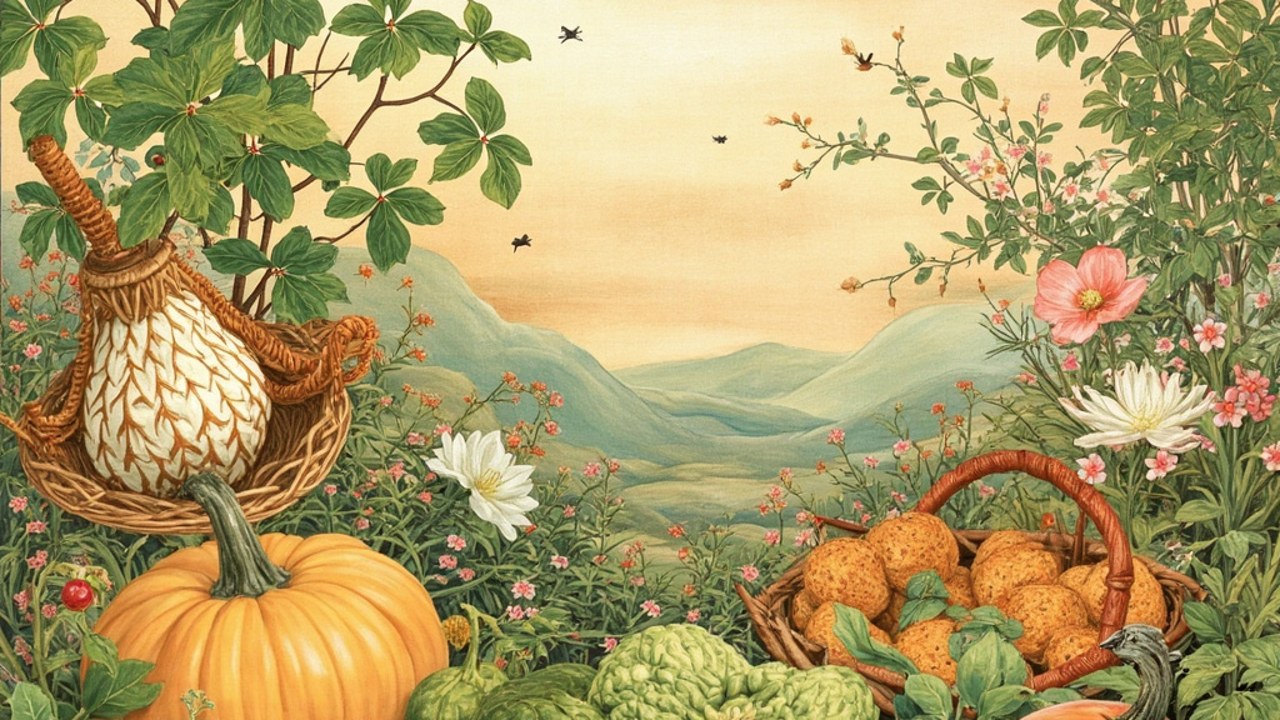
Seasonal wellness Chinese medicine is rooted in the concept of yin-yang balance and the five phases (wood, fire, earth, metal, water), each tied to a season and corresponding organ. This framework ensures that care aligns with nature’s energy shifts: wood (spring) supports the liver, fire (summer) nourishes the heart, earth (late summer) strengthens the spleen, metal (autumn) nurtures the lung, and water (winter) replenishes the kidney.
For example, autumn’s metal energy means lung health is a priority. Instead of spicy, fried foods that dry the respiratory tract, seasonal wellness advises moistening foods like pears, white fungus, or lotus seeds.
Winter’s water energy calls for warming, yin-supporting foods—think black beans, ginger, and lamb soup—to conserve energy as the body works to stay warm. Seasonal Wellness Chinese Medicine This is not about extreme diets; it’s small, daily choices that keep the body in harmony with the sun’s cycle.
While all 24 terms offer wellness guidance, three stand out for their clear, actionable benefits and widespread cultural relevance. Seasonal Wellness Chinese Medicine These are perfect for beginners to start with:
Beginners often make three key mistakes when approaching seasonal wellness, and correcting these can make the practice accessible for everyone. First, many assume it requires expensive herbs or complex rituals.
Expert judgment: “Start with everyday foods, not tonics. Adding goji berries to morning oatmeal during Winter Solstice is just as effective as a specialized herb, with no extra cost or preparation.” Second, some believe adjustments only matter for major terms like Winter Solstice.
Expert tip: “Every 15-day shift brings small changes to nature, so even minor acts—like wearing layers during Start of Winter or drinking more water during White Dew—prevent discomfort before it starts. Consistency beats big, occasional changes.” Third, others think it’s only for people with health issues.
Correction: “Seasonal wellness is preventive care. Seasonal Wellness Chinese Medicine Even healthy people benefit from aligning routines with nature to maintain energy and avoid seasonal fatigue or dry skin.”
For overseas readers, especially parents and teachers, the 24 solar terms offer a bridge to ancient culture while solving modern wellness challenges. For example, a parent in Canada can use Qingming to teach their kids about seasonal care: make qingtuan with mugwort (available at most Asian grocery stores) and discuss how this tradition links to nurturing health and honoring ancestors.
A teacher in Australia (where seasons are reversed) can adapt terms to their local climate: their White Dew falls in March, so students practice moistening lungs as autumn arrives, using the same tips as their Chinese counterparts. For office workers in tropical climates like Singapore, Major Heat (Dashu, ~July 22) calls for eating watermelon and staying hydrated to avoid heat exhaustion—no cold climates required.
Seasonal Wellness Chinese Medicine For more seasonal food ideas across all 24 terms, check our seasonal food guide for all 24 solar terms.
Beyond health benefits, seasonal wellness Chinese medicine connects readers to a 2,000-year-old cultural system that values harmony with nature. For culture learners, the solar terms turn abstract concepts like yin-yang into tangible, daily practices.
For teachers, they offer a fun way to integrate science (climate shifts) and culture into lessons. For parents, they provide simple, meaningful rituals that teach kids to observe nature and care for their bodies.
This is not about adopting a new religion or complex practice; it’s about small, intentional choices that align with the world around us.
In a fast-paced modern life, seasonal wellness Chinese medicine reminds us to slow down and listen to nature. The 24 solar terms make this easy, breaking the year into manageable, 15-day cycles that guide us toward better health and a deeper connection to ancient wisdom.
Start with one small adjustment—like drinking warm honey water during White Dew—and experience how nature’s rhythms can support your well-being.
Seasonal Wellness Chinese Medicine is not only a date on the calendar. In Chinese seasonal culture, it is a way to connect family routines, food choices, weather awareness, and traditional memory.
People often understand a festival or seasonal custom by looking at what families prepare, what they eat, what they avoid, and what ideas they pass to children.
For readers outside China, Seasonal Wellness Chinese Medicine can be understood as a practical cultural window. It shows how the traditional calendar joins agriculture, family reunion, health ideas, and symbolic customs.
Even when modern families no longer follow every old practice, many people still keep the most meaningful parts because they create rhythm in the year.
The most useful way to study Seasonal Wellness Chinese Medicine is to ask three questions: What does this date mark in the seasonal cycle? What do people actually do at home or in public life?
Why did those customs become meaningful? These questions keep the article practical and prevent the topic from becoming only a list of facts.
Many traditional customs around Seasonal Wellness Chinese Medicine are easier to understand when they are grouped by daily life. Food customs usually carry wishes for health, reunion, harvest, or good fortune.
Family customs often focus on visiting relatives, remembering ancestors, sharing meals, or preparing the home for a new seasonal stage.
In a modern setting, people may simplify these customs. A family might keep the reunion meal but skip complicated rituals.
A school might teach the story behind the date rather than ask students to perform old ceremonies. A community event might use Seasonal Wellness Chinese Medicine as a chance to explain Chinese calendar culture to younger readers.
This flexible pattern is important. Chinese festivals and seasonal customs survive because they can change while keeping their core meaning.
The form may become simpler, but the emotional purpose remains: people use the calendar to remember where they come from, organize family time, and notice the movement of the year.
Seasonal Wellness Chinese Medicine is a Traditional Chinese Medicine (TCM) approach aligned with the 24 Chinese solar terms—astronomical and climatic divisions of the year. It guides people to adjust their daily routines, diet, and lifestyle to match seasonal shifts, balancing the body’s qi (vital energy), yin-yang, and organ function to prevent illness and maintain long-term health.
Traditional customs center on harmonizing with solar term-specific energy: For example, during the Winter Solstice, northern Chinese communities eat dumplings to protect against cold and boost yang energy; during Qingming (Clear Brightness), people go hiking or fly kites to circulate stagnant winter qi, and avoid heavy tonics to support spring’s rising energy. Sleep schedules also adjust—going to bed early in winter and waking with the sun in spring, per TCM guidelines.
Dietary choices follow TCM’s seasonal properties: In hot solar terms like Dashu (Great Heat), bitter foods (bitter melon, lotus leaf congee) are eaten to clear internal heat. In dry autumn terms like Bailu (White Dew), moist foods (pears, lotus root, white fungus) soothe lung dryness. During Start of Winter, warming foods (mutton soup, red dates) replenish yang energy to prepare for cold weather.
Seasonal Wellness Chinese Medicine does not alter weather patterns. Instead, it adapts human health practices to weather changes tied to each solar term. For example, during the hot, humid Xiaoshu (Minor Heat), it advises limiting midday outdoor time to avoid heat-related issues. In cold Dahan (Major Cold), it recommends layering clothing to retain body heat—these are responsive, not modifying, actions toward weather.
Key practices include: adjusting sleep cycles to match seasonal light (longer rest in winter, shorter in summer); doing gentle exercises like tai chi or qigong to circulate qi; using TCM therapies such as moxibustion at the Winter Solstice to boost yang, or acupuncture at solar term points to balance organs; and avoiding habits that disrupt seasonal balance (e.g., overindulging in cold foods in winter, staying up late in summer).
Wikipedia Mid Autumn Festival Traditions Meaning End of Heat: Complete Guide to Chushu Solar Term Minor Heat: Complete Guide to Xiaoshu Solar Term
May is meteorological spring in China, but local weather ranges from cool northern conditions to…
Read More →
Understand winter in China by month and region, from snowy northeast cities to mild southern…
Read More →
China has no single monsoon month. Compare South China, the Yangtze Meiyu belt, North China,…
Read More →