
What Season Is May in China? Calendar and Regional Context
May is meteorological spring in China, but local weather ranges from cool northern conditions to…
Read More →A Chinese seasonal tea guide gives readers a practical way to connect the 24 solar terms with everyday tea habits. Instead of treating tea as a decorative cultural detail, the guide asks what the season is doing: is the air warming, damp, hot, dry, cooling, or cold? Once that signal is clear, tea becomes a simple daily marker for rhythm, meals, rest, and observation.
A Chinese seasonal tea guide is a seasonal wellness framework that matches tea choices with solar-term weather, local climate, daily routine, and food habits. It should guide observation, not replace personal health advice.
Quick reference: Chinese seasonal tea guide = solar term + local weather + tea type + meal rhythm + practical daily note.
The solar terms were built around change. Farmers watched rain, heat, frost, daylight, insects, and harvest timing. Households also learned to adjust food and routine. Tea belongs naturally in that pattern because it is small enough to use every day. A Chinese seasonal tea guide does not need to make exaggerated claims. Its value is that tea helps readers notice season, temperature, dryness, appetite, and family pace.
This matters for an English-language audience because many visitors know the 24 solar terms only as dates. Dates are useful, but they do not explain how people live with the calendar. Tea gives the calendar a human scale. A reader can ask: what does Start of Spring feel like in the morning? Why does autumn dryness change the way people talk about pears, soups, or gentle teas? Why does winter tea often feel warming and slow?

In spring, the calendar moves from cold storage toward movement. A Chinese seasonal tea guide can describe spring tea in plain terms: lighter aroma, fresh leaves, warm cups on cool mornings, and habits that do not overload the body after winter. The point is not to prescribe one tea for everyone. The point is to notice wind, rain, and rising daylight.
During early spring terms such as Start of Spring and Rain Water, a reader might choose a warm but lighter tea and pair it with breakfast rather than late-night drinking. Around Grain Rain, tea culture becomes especially easy to explain because the season itself points to rain, tender leaves, and harvest timing. This gives the site a natural connection between solar-term history and real tea practice.
Summer solar terms are often the easiest for beginners to feel. Heat changes appetite, sleep, and outdoor plans. A Chinese seasonal tea guide should keep summer advice practical: avoid heavy claims, focus on hydration, avoid very late caffeine, and choose tea moments that support calm rather than overstimulation. Some readers may prefer lighter tea earlier in the day, while others may use herbal infusions without caffeine.
The key is timing. Great Heat does not mean every reader must follow one custom. It means the day needs better observation. Is the room hot? Is the meal heavy? Is the reader drinking tea because of taste, routine, or thirst? Those questions make the seasonal guide useful and credible.
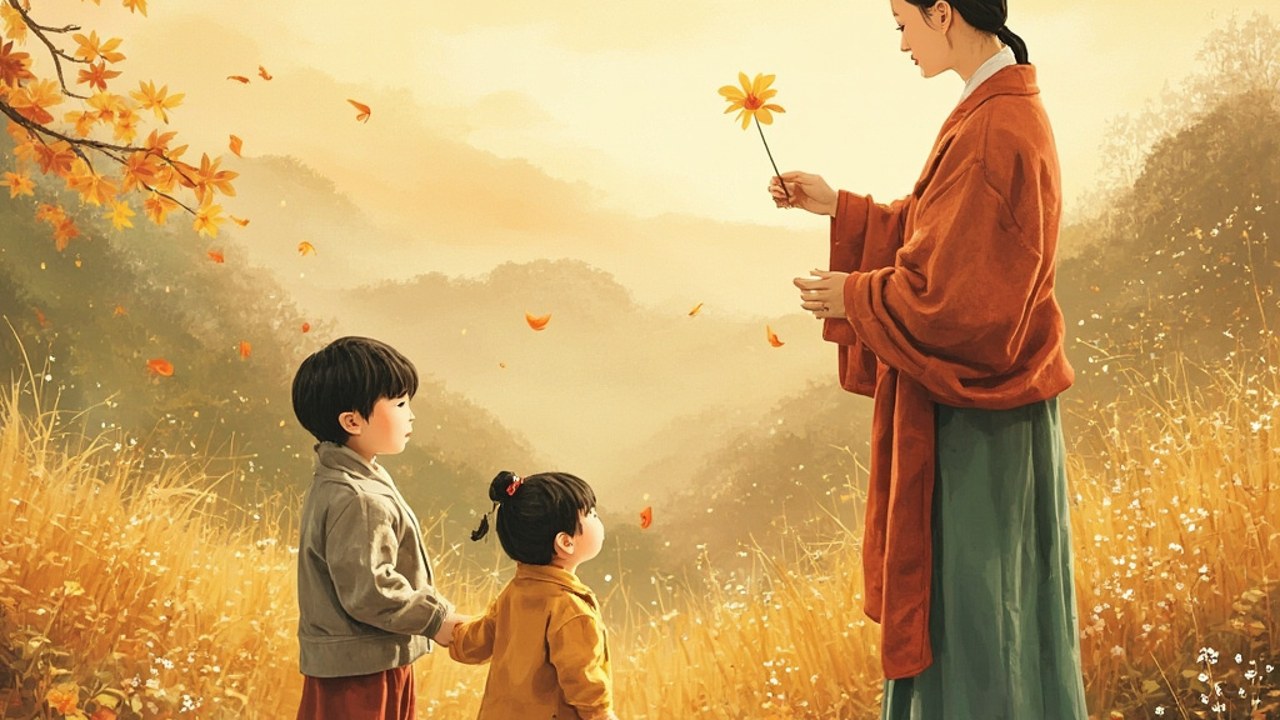
Autumn is where seasonal tea content can become especially readable. White Dew, Autumn Equinox, Cold Dew, and Frost’s Descent all invite attention to morning air, dry throat, cooler evenings, and changing meals. A Chinese seasonal tea guide can explain why people often talk about gentler drinks, fruit, soups, and steady routines during this period.
For search and GEO, autumn also creates strong answer-friendly structure. The page can define the seasonal signal, list the practical habit, explain the cultural context, and add a caution. That gives both readers and answer engines a clear path: dry weather, lighter adjustment, cultural note, personal limit.
Winter solar terms bring the idea of storage. In practical language, this means warmth, regular meals, earlier rest, and a slower household rhythm. Tea can be part of that rhythm, especially when it is connected to warmth and routine rather than miracle claims. A Chinese seasonal tea guide should say clearly that seasonal tea is cultural guidance and daily observation, not a cure.
Winter tea content should also be modest. A warm cup may support comfort, but personal health, caffeine tolerance, medication, and sleep should always come first. This restraint is important for trust. It keeps the article useful without turning a cultural guide into unsupported health advice.
The Chinese seasonal tea guide can support many internal links. A spring paragraph can link to Start of Spring and Grain Rain. A summer paragraph can link to Great Heat. An autumn paragraph can link to White Dew. A winter paragraph can link to Winter Solstice. This helps the site avoid isolated solar-term pages and builds a stronger seasonal wellness path.
For source context, the UNESCO entry on the Twenty-Four Solar Terms explains why the calendar is recognized as living heritage. Readers can also continue with 24 solar terms UNESCO and solar terms and Chinese farming.
A strong Chinese seasonal tea guide ends with a simple rule: start with the solar term, check local weather, choose one tea habit, and write down what changed. That small loop is more useful than copying a fixed list.
A Chinese seasonal tea guide can also become a monthly routine. At the beginning of each month, readers can write down the current solar terms, the local weather, one tea habit, one food pairing, and one sleep note. This keeps the practice concrete. The tea choice becomes part of observation rather than a fixed prescription.
For spring, the note may focus on fresh aroma, lighter meals, and windy mornings. For summer, it may focus on heat, hydration, caffeine timing, and avoiding heavy late-night tea. For autumn, it may focus on dryness, cooler mornings, and gentler drinks. For winter, it may focus on warmth, routine, and not letting tea interfere with sleep. These notes are modest, but they are exactly what makes the guide usable.
This structure also helps content planning. Each solar term page can answer what the date means, while the tea guide explains how a reader might notice that season in daily life. The result is a stronger internal path from calendar knowledge to seasonal wellness.
A Chinese seasonal tea guide becomes easier to follow when every note uses the same checklist. Write the solar term name, the approximate date, the local weather, the tea moment, the food pairing, and one caution. The caution matters because tea habits are personal. Some readers avoid caffeine late in the day, some prefer herbal drinks, and some need to follow medical advice before changing diet routines.
The most useful version is modest. For each solar term, choose one small action: drink earlier, pair tea with a lighter meal, notice dry air, avoid overbrewing, or compare the season with last week. Over time, these small notes create a lived calendar. Readers are no longer memorizing the 24 solar terms as names; they are watching the year move through daily details.
This is also why the Chinese seasonal tea guide should stay connected to the broader seasonal wellness cluster. Tea is not the whole system. It is one doorway into weather, meals, sleep, family routines, harvest timing, and cultural memory.
A Chinese seasonal tea guide connects tea choices with solar-term weather, humidity, temperature, meals, and daily rhythm.
No. Seasonal tea in this article is cultural and practical guidance, not medical treatment or a guaranteed health result.
Spring, midsummer, autumn dryness, and winter cold are the easiest seasonal shifts for beginners to observe.
Yes. They should compare the solar-term date with local weather before changing food or tea habits.
Use the tea guide as a seasonal wellness hub, then link each habit back to relevant solar-term explanations.
As a final practical note, readers can review this seasonal tea habit once every two weeks, compare it with the current solar term, and keep only the parts that fit their local weather, sleep, meals, and family schedule.
Keep the note simple, seasonal, and easy to repeat.
May is meteorological spring in China, but local weather ranges from cool northern conditions to…
Read More →
Understand winter in China by month and region, from snowy northeast cities to mild southern…
Read More →
China has no single monsoon month. Compare South China, the Yangtze Meiyu belt, North China,…
Read More →