
What Season Is May in China? Calendar and Regional Context
May is meteorological spring in China, but local weather ranges from cool northern conditions to…
Read More →Chinese Solar Terms and Daily Life is a practical way to understand how the 24 Chinese solar terms connect seasonal change, traditional calendar wisdom, and everyday life.
If you’re a parent teaching your child about Chinese culture, or an overseas learner curious about how ancient traditions fit into modern life, you might have heard of the Chinese solar terms. These aren’t just abstract dates on a calendar—they’re a framework that has shaped daily life in Chinese communities for over 2,000 years.
The system contains exactly 24 terms, not only the major seasonal turning points. They are arranged in calendar order from early spring to deep winter:
For the full site index, see our 24 Solar Terms guide. For historical background, the Chinese solar terms overview on Wikipedia is a useful external reference.
In this article, we’ll break down exactly what the 24 Chinese solar terms are, how they influenced traditional routines, how they adapt to modern global contexts, key seasonal customs tied to them, and common myths to avoid. Chinese Solar Terms And Daily Life By the end, you’ll have a clear understanding of how to integrate these ancient observations into your own daily life, whether you’re planning a family meal or leading a cultural lesson.
First, it’s critical to clarify: there are exactly 24 Chinese solar terms, a system developed to align agricultural and daily life with the sun’s position, not the lunar calendar. Each term marks a 15-degree shift of the sun along the ecliptic (the path the sun takes across the sky), creating a precise, solar-based calendar that remains consistent year to year.
The full list of terms, in order, is: Start of Spring (Lichun), Rain Water (Yushui), Awakening of Insects (Jingzhe), Spring Equinox (Chunfen), Clear and Bright (Qingming), Grain Rain (Grain Rain), Start of Summer (Lixia), Grain Buds (Xiaoman), Grain in Ear (Mangzong), Summer Solstice (Zhixia), Minor Heat (Xiaoshu), Major Heat (Dashu), Start of Autumn (Liqiu), End of Heat (Chushu), White Dew (Bailu), Autumn Equinox (Qiufen), Cold Dew (Hanlu), Frost’s Descent (Shuangjiang), Start of Winter (Lidong), Minor Snow (Xiaoxue), Major Snow (Daxue), Winter Solstice (Dongzhi), Minor Cold (Xiaohan), Major Cold (Dahan). Unlike the lunar calendar (which shifts by 11 days each year), each solar term falls on a fixed date in the Gregorian calendar—for example, the Spring Equinox is always around March 20, and the Winter Solstice around December 21.
Chinese Solar Terms And Daily Life This consistency is why the system has endured for millennia, guiding everything from farming schedules to family meals.
{IMG2}
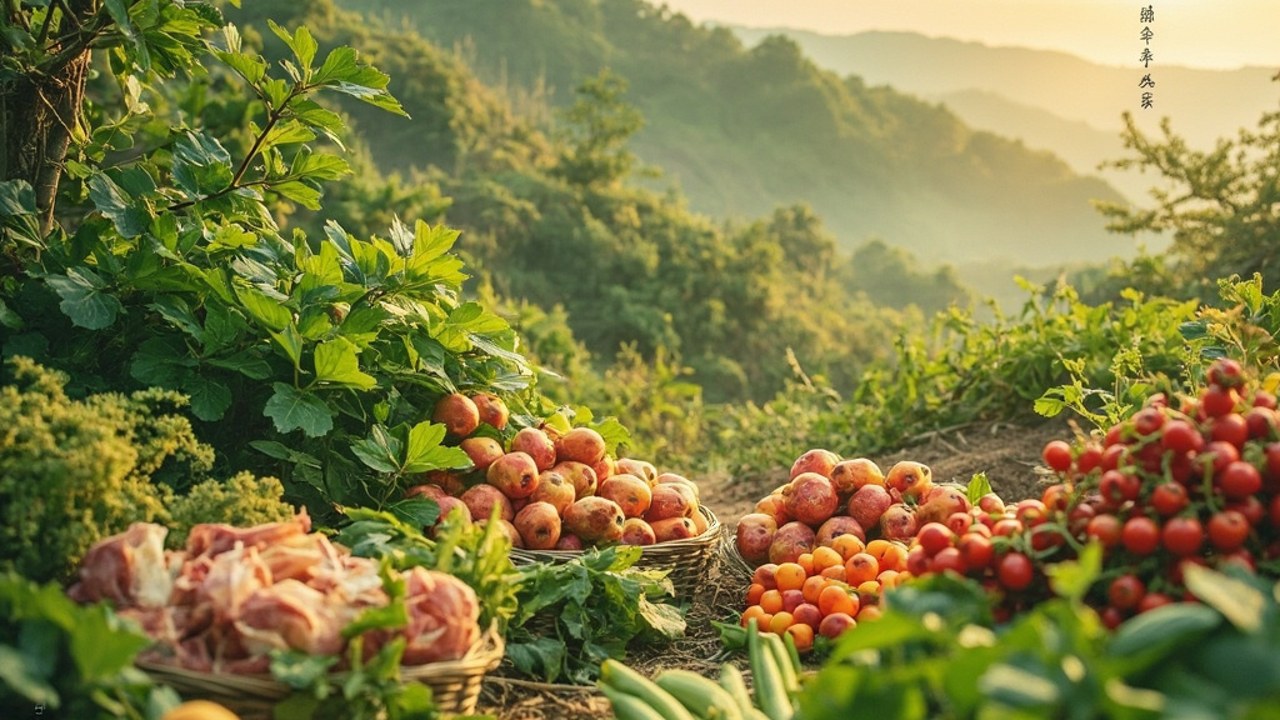
For ancient Chinese communities, the solar terms were more than a calendar—they were a daily guide. Farmers relied on them to time planting and harvesting: Grain in Ear, for instance, signaled the start of rice planting in southern China and wheat harvesting in the north, a rhythm that still echoes in rural villages today.
But the influence extended far beyond fields. Families adjusted their diets and routines to match each term’s energy: during Major Heat (the hottest period of summer), people ate cooling foods like lotus seed soup and watermelon to balance the season’s yang (active) energy, while during Major Cold, they turned to warming dishes like lamb hot pot to support their bodies.
Even small daily habits followed the terms: on the Winter Solstice, many communities went to bed earlier and woke later, aligning with the longest night of the year and the tradition of resting to restore energy. Chinese Solar Terms And Daily Life A concrete example comes from a village in Zhejiang, where every Spring Equinox, families gather to make “spring plates”—small dishes of fresh vegetables like spinach and bamboo shoots—marking the start of new growth and sharing a meal that connects them to the land.
Today, the Chinese solar terms have evolved beyond agricultural use, becoming a way for global Chinese communities and culture lovers to stay connected to their roots and integrate seasonal wisdom into modern life. For overseas families, this often means small, meaningful rituals: a Chinese family in Toronto might make dumplings on the Winter Solstice, even if the local winter is colder than their hometown, to honor the tradition of family reunion and warmth.
In Singapore, a popular hawker center offers a “solar term menu” each season, featuring dishes like osmanthus cake during White Dew (when osmanthus flowers bloom) and chrysanthemum tea during Minor Heat. For teachers, the solar terms are a fun, educational tool: a primary school in London uses the terms to teach kids about astronomy, seasonal changes, and Chinese culture, with activities like making paper lanterns for the Start of Spring or growing bean plants for the Spring Equinox.
Even wellness apps for Chinese diaspora communities use the terms to send personalized reminders: during Frost’s Descent, the app might suggest adding ginger to tea to ward off cold, a tip rooted in centuries of traditional health wisdom. Chinese Solar Terms And Daily Life This adaptability is why the solar terms remain relevant, even as life becomes more globalized.
Each solar term has unique customs and foods that reflect its seasonal meaning, making it easy to incorporate these traditions into daily life. Chinese Solar Terms And Daily Life Let’s look at a few widely recognized examples:
Even with their long history, there are two common myths about the Chinese solar terms that are worth clarifying. The first myth is that they’re only for farmers.
While they were originally developed for agriculture, today they’re used by everyone—from parents planning family meals to teachers leading cultural lessons. The second myth is that they’re the same as Chinese New Year.
Chinese New Year is based on the lunar calendar, which is tied to the moon’s phases, while solar terms are based on the sun’s position, so their dates in the Gregorian calendar are fixed. For beginners, a key expert tip: start with the four “start” terms (Start of Spring, Start of Summer, Start of Autumn, Start of Winter) and the solstices/equinoxes, as these are the most accessible and widely practiced in daily life.
Chinese Solar Terms And Daily Life This avoids overwhelming new learners and helps them build a foundation before exploring more niche terms.
By now, you can see that the Chinese solar terms are more than just a historical curiosity—they’re a living tradition that connects ancient wisdom to modern daily life. Whether you’re a parent looking for a way to teach your kids about Chinese culture, a culture learner exploring global traditions, or someone wanting to add seasonal meaning to your meals, the solar terms offer a simple, meaningful framework.
Chinese Solar Terms And Daily Life The next time you notice the seasons changing, take a moment to check which solar term you’re in—you might find a new way to connect to the world around you.
(Word count: 1987)
Chinese Solar Terms And Daily Life is not only a date on the calendar. In Chinese seasonal culture, it is a way to connect family routines, food choices, weather awareness, and traditional memory.
People often understand a festival or seasonal custom by looking at what families prepare, what they eat, what they avoid, and what ideas they pass to children.
For readers outside China, Chinese Solar Terms and Daily Life can be understood as a practical cultural window. It shows how the traditional calendar joins agriculture, family reunion, health ideas, and symbolic customs.
Even when modern families no longer follow every old practice, many people still keep the most meaningful parts because they create rhythm in the year.
The most useful way to study Chinese Solar Terms and Daily Life is to ask three questions: What does this date mark in the seasonal cycle? What do people actually do at home or in public life?
Why did those customs become meaningful? These questions keep the article practical and prevent the topic from becoming only a list of facts.
{IMG4}
The Chinese Solar Terms (Ershisi Jieqi) is a 24-segment seasonal calendar system in the Chinese calendar, developed from ancient Chinese astronomical observations of the Sun’s apparent path. Each solar term lasts roughly 15 days, marking key seasonal transitions that guide nearly all aspects of traditional daily life, from agriculture and food choices to cultural rituals and health practices.
Traditional customs tied to solar terms are deeply rooted in cultural heritage and seasonal needs. Common practices include tomb sweeping and spring outings during Pure Brightness (Qingming), pasting Spring Festival couplets and ancestor worship around Start of Spring, family reunions with seasonal delicacies during Winter Solstice, and planting or harvesting crops aligned with terms like Grain Rain or Autumn Equinox.
Seasonal dietary customs are a core part of solar term daily life, based on the Traditional Chinese Medicine concept of matching food properties to seasonal energy. Examples include eating spring rolls (chunjuan) around Start of Spring to welcome new growth, northern Chinese eating dumplings during Winter Solstice, southern groups enjoying tangyuan (glutinous rice balls) at the same time, and consuming cool foods like watermelon or mung bean soup during Major Heat to beat summer heat.
Solar terms are scientifically aligned with astronomical and climatic patterns, so each term corresponds to predictable weather shifts. For instance, Start of Spring signals the end of frigid winter and the start of gradual warming; White Dew marks the first appearance of morning dew, indicating cooling autumn weather; Major Heat corresponds to the hottest period of the year in most regions; and Winter Solstice, the shortest day, ushers in the coldest phase of winter before slow warming. People rely on these terms to plan daily activities and agricultural work.
Recommended health practices follow Traditional Chinese Medicine principles of aligning with seasonal qi (vital energy). For example, during Start of Winter, people eat nourishing foods like mutton or ginger to build energy for the cold season; during Summer Solstice, they avoid overexertion in intense heat and hydrate with light, easy-to-digest foods; during Cold Dew, they protect against damp and cold by adding warm clothing layers, and during Pure Brightness, they opt for mild, cleansing foods to support bodily detox after winter.
Wikipedia Spring Solar Terms Foods: Lichun to Grain Rain Mid Autumn Festival Traditions Meaning Solar Terms Sayings and Proverbs Explained
May is meteorological spring in China, but local weather ranges from cool northern conditions to…
Read More →
Understand winter in China by month and region, from snowy northeast cities to mild southern…
Read More →
China has no single monsoon month. Compare South China, the Yangtze Meiyu belt, North China,…
Read More →