
What Season Is May in China? Calendar and Regional Context
May is meteorological spring in China, but local weather ranges from cool northern conditions to…
Read More →
Weather signs in the 24 solar terms is a practical way to understand how the 24 Chinese solar terms connect seasonal change, traditional calendar wisdom, and everyday life.
This guide is for culture learners, parents, teachers, and anyone curious about how ancient wisdom connects to today’s natural world. Weather Signs In The 24 Solar Terms You’ll learn exactly what each term’s weather signals mean, how they were used historically, and practical ways to apply them in modern life—no prior knowledge required.
The system contains exactly 24 terms, not only the major seasonal turning points. They are arranged in calendar order from early spring to deep winter:
For the full site index, see our 24 Solar Terms guide. For historical background, the Chinese solar terms overview on Wikipedia is a useful external reference.
The 24 solar terms are not a random set of dates; they are a precise astronomical system based on the sun’s position along the ecliptic, dividing the year into 24 equal segments of roughly 15 days each. Unlike the Gregorian calendar, which is solar-lunar hybrid, the solar terms align perfectly with Earth’s orbit around the sun, making them a reliable guide for climate and seasonal shifts.
Weather Signs In The 24 Solar Terms The full list of terms, grouped by season, is:
Each term carries a unique weather sign that was critical for agricultural planning in ancient times, and many of these signs still hold value today for understanding seasonal patterns.
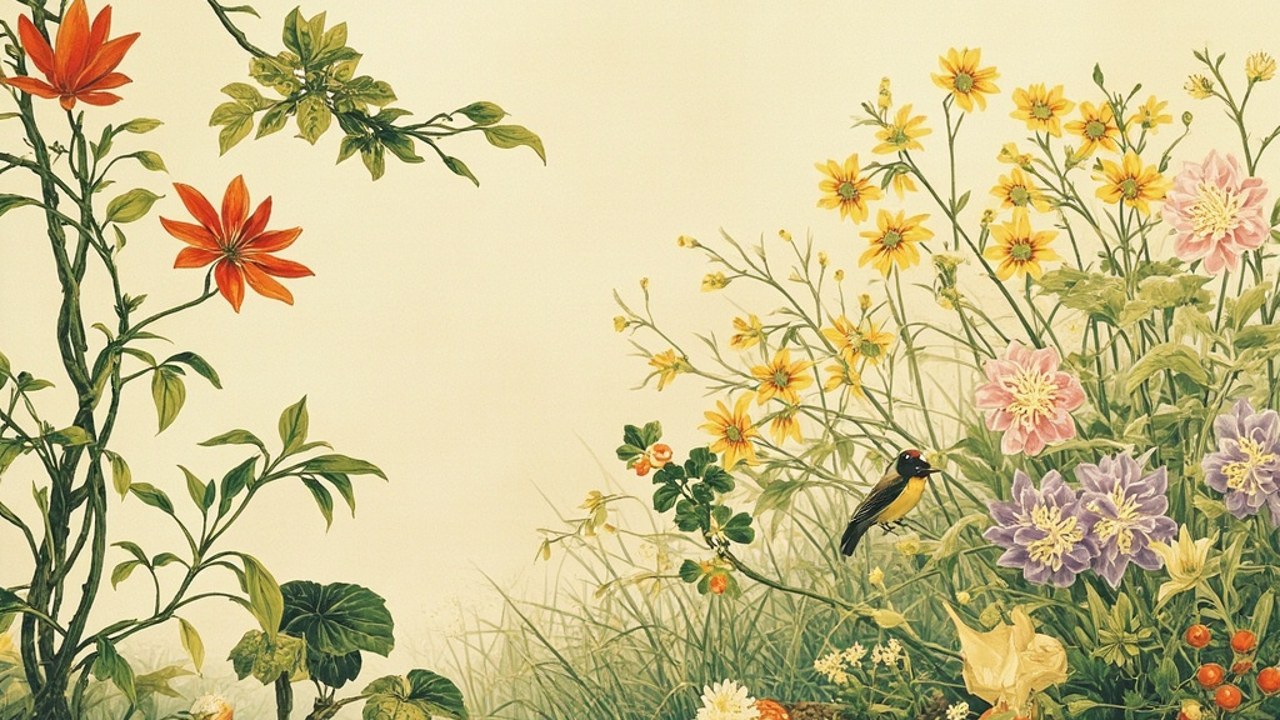
Spring terms mark the transition from cold to warmth, with weather signals that signal when to plant, tend crops, and prepare for growth. For example, Awakening of Insects (Jingzhe) is defined by the first thunder of the year—this loud clap is a weather sign that dormant insects are emerging from hibernation, and soil temperatures are now warm enough for plowing.
Weather Signs In The 24 Solar Terms In the Yangtze River basin, farmers historically waited for Jingzhe’s thunder to start tilling fields for rice and wheat; today, this sign still helps gardeners decide when to sow cool-weather crops like lettuce and peas.
Clear and Bright (Qingming) is another key spring term, known for its steady, light rain—locals often say “Qingming has rain every year” to describe this consistent drizzle. This weather sign is not just a cliché: the rain provides ideal moisture for tea bushes and leafy greens, making it the best time to harvest young tea leaves.
For parents, Qingming’s rain is a perfect teaching moment: take kids outside to feel the damp soil, observe new buds on trees, and connect the weather to the term’s meaning of “clear and bright” skies after winter. Weather Signs In The 24 Solar Terms A beginner tip here: focus on Jingzhe and Qingming first, as their weather signs are the most widely recognized and tied to daily activities, making them easy to remember.
Summer terms bring increasing heat and humidity, with weather signs that guide irrigation, harvest timing, and daily routines. Grain Buds (Xiaoman) translates to “grain buds are full”—this term’s defining weather sign is rising humidity, which makes walls feel damp and air heavy.
Weather Signs In The 24 Solar Terms In southern China, this humidity signals that rice paddies need constant water to support growing crops; families also adjust their diets to cooling foods like mung bean soup and cucumber to beat the heat, a tradition directly tied to Xiaoman’s weather.
Grain in Ear (Mangzhong) is another critical summer term, marked by sunny, stable weather in most wheat-growing regions. This clear sky is a weather sign that it’s time to harvest ripe wheat—farmers historically rushed to gather crops before sudden summer rains could ruin the harvest.
Today, this sign still helps small-scale farmers and home gardeners plan harvests for grains and vegetables. Weather Signs In The 24 Solar Terms The Summer Solstice (Zhixia), the longest day of the year, brings the start of plum rains in southern China—this prolonged rain is essential for rice growth, but also means locals must prepare for flooding and adjust outdoor plans accordingly.
Autumn terms signal the shift to cooler temperatures, with weather signs that mark harvest readiness and the approach of winter. White Dew (Bailu) is one of the most recognizable autumn terms: on Bailu mornings, dew forms on grass, lotus leaves, and spider webs, a clear sign that temperatures have dropped enough for moisture to condense.
In Nanjing, this dew is a cue for farmers to harvest late rice, as the cool air slows grain spoilage. Weather Signs In The 24 Solar Terms For families, Bailu is a great time to pick persimmons and pomegranates—fruits that ripen in autumn, linking the weather sign to fun, seasonal activities.
Frost’s Descent (Shuangjiang) is the final autumn term, bringing the first frost of the year. This weather sign is a deadline for farmers: any remaining crops like cabbage, radishes, and turnips must be harvested before frost kills them.
In northern China, Shuangjiang also signals the start of preparing for winter—families begin pickling vegetables to store through the cold months. Weather Signs In The 24 Solar Terms A key point here: unlike summer’s sudden heat, autumn’s weather signs are gradual, making them easy to observe over weeks rather than days.
Winter terms bring the coldest weather of the year, with weather signs that guide food storage and indoor routines. Start of Winter (Lidong) marks the first significant cold snap—this weather sign tells communities to prepare for long, cold months ahead.
In Beijing, Lidong is when families start making suan cai (pickled cabbage), a tradition that uses the cold air to slow spoilage and provide food through winter. Weather Signs In The 24 Solar Terms The Winter Solstice (Dongzhi), the shortest day of the year, is the peak of winter’s cold; northern China eats dumplings to “warm the body,” while southern China eats tangyuan (glutinous rice balls) to symbolize unity.
Minor Snow (Xiaoxue) and Major Snow (Daxue) bring increasing snowfall in northern regions—Xiaoxue’s light snow is a sign that winter is settling in, while Daxue’s heavy snow covers fields, which helps insulate soil and protect crops from extreme cold. Weather Signs In The 24 Solar Terms For modern readers, these signs are still useful: a family planning a trip to Harbin can use Xiaoxue’s snow sign to decide when to visit for ice festivals, while a gardener in a temperate zone can wait for Daxue’s snow to mulch plants for winter.
The weather signs of the 24 solar terms aren’t just historical—they still have practical value today. For example, a teacher in Singapore can use Grain Rain’s (Guyu) rain sign to explain monsoon seasons to students, linking ancient seasonal wisdom to modern climate patterns.
A gardener in Oregon might use Frost’s Descent (Shuangjiang) to cover their vegetable plants, even if the local weather forecast is slightly off. Weather Signs In The 24 Solar Terms A family planning a trip to Japan can check Minor Snow’s (Xiaoxue) snow sign to time their visit to Hokkaido for ski season.
An important expert note here: while traditional weather signs are reliable, climate change has shifted some seasonal timelines—for example, Jingzhe’s first thunder now often arrives a week earlier in parts of eastern China than it did 50 years ago. To get the most accurate use, pair these signs with modern weather forecasts to adjust plans accordingly.
Weather Signs In The 24 Solar Terms This balance of ancient wisdom and modern data ensures you can still benefit from the 24 solar terms’ weather signs in daily life, whether you’re a parent teaching kids about nature, a gardener tending plants, or a traveler planning a trip.
Weather Signs In The 24 Solar Terms is not only a date on the calendar. In Chinese seasonal culture, it is a way to connect family routines, food choices, weather awareness, and traditional memory.
People often understand a festival or seasonal custom by looking at what families prepare, what they eat, what they avoid, and what ideas they pass to children.
For readers outside China, weather signs in the 24 solar terms can be understood as a practical cultural window. It shows how the traditional calendar joins agriculture, family reunion, health ideas, and symbolic customs.
Even when modern families no longer follow every old practice, many people still keep the most meaningful parts because they create rhythm in the year.
The most useful way to study weather signs in the 24 solar terms is to ask three questions: What does this date mark in the seasonal cycle? What do people actually do at home or in public life?
Why did those customs become meaningful? These questions keep the article practical and prevent the topic from becoming only a list of facts.
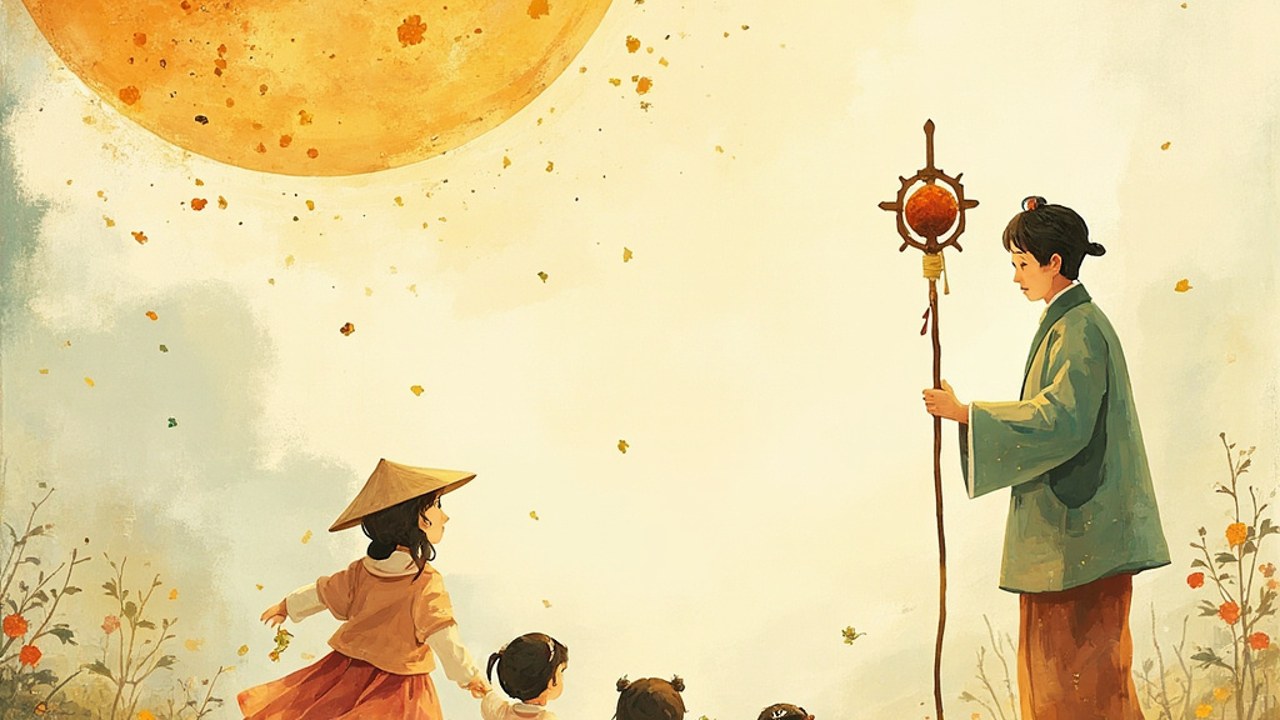
Weather signs in the 24 solar terms are distinct natural phenomena—including temperature fluctuations, precipitation patterns, plant growth stages, and animal behavioral changes—that correspond to each of the 24 segments of the Chinese solar calendar. Aligned with the sun’s apparent movement along the ecliptic, these signs have guided Chinese agricultural planning, daily routines, and seasonal preparations for over 2,000 years.
Traditional customs adapt to each solar term’s weather signs. For example, during Start of Spring (Lichun), people practice “biting spring” (eating spring pancakes and radishes) to welcome warming weather. During Clear and Bright (Qingming), families visit ancestral graves and take spring outings, matching the term’s mild, rainy conditions. During Winter Solstice (Dongzhi), many avoid strenuous activity to stay safe in the cold, following the harsh weather signs of the term.
Seasonal foods are chosen to align with each solar term’s weather signs and traditional Chinese medicine (TCM) nourishment principles. During Start of Summer (Lixia), thin “losing weight noodles” are eaten to adjust to rising temperatures and avoid summer fatigue. During Grain in Ear (Mangzhong), bitter foods like bitter melon are consumed to counteract early summer’s humidity and heat. During Winter Solstice, dumplings or glutinous rice balls are eaten to warm the body against cold winter weather.
Weather signs of the 24 solar terms are direct indicators of astronomical shifts that drive seasonal weather changes. The Summer Solstice (Xiazhi), for instance, marks the year’s longest day, leading to peak summer heat and frequent thunderstorms—its core weather sign. Grain Rain (Grain Rain) is named for its key weather sign of increased rainfall, critical for grain growth. The Winter Solstice brings the shortest day, correlating with the coldest period of winter across most Chinese regions.
Wellness practices are tailored to each solar term’s weather signs to maintain bodily balance per TCM. During Cold Dew (Hanlu), when temperatures drop sharply and dew forms, people are advised to wear warm layers, avoid raw foods, and practice gentle tai chi to prevent respiratory issues. During Start of Autumn (Liqiu), when dryness becomes a dominant weather sign, TCM recommends moistening foods like pears and lotus seeds to protect the lungs. During Major Heat (Dashu), the term for peak summer heat, people rest in cool spaces and eat light foods to avoid heatstroke.
May is meteorological spring in China, but local weather ranges from cool northern conditions to…
Read More →
Understand winter in China by month and region, from snowy northeast cities to mild southern…
Read More →
China has no single monsoon month. Compare South China, the Yangtze Meiyu belt, North China,…
Read More →