What Season Is May in China? Calendar and Regional Context
May is meteorological spring in China, but local weather ranges from cool northern conditions to…
Read More →
Farming traditions in the 24 solar terms is a practical way to understand how the 24 Chinese solar terms connect seasonal change, traditional calendar wisdom, and everyday life.
Exact 24 solar terms divide the year into 24 equal astronomical segments, each aligned with the sun’s ecliptic longitude, and each with unique farming traditions passed down for over 2,000 years. For overseas culture learners, parents teaching children about traditional agriculture, and teachers seeking clear, concrete examples of ancient wisdom, understanding farming traditions tied to the 24 solar terms offers a vivid window into how communities aligned their work with nature’s cycles.
The system contains exactly 24 terms, not only the major seasonal turning points. They are arranged in calendar order from early spring to deep winter:
For the full site index, see our 24 Solar Terms guide. For historical background, the Chinese solar terms overview on Wikipedia is a useful external reference.
Formalized during the Han Dynasty (206 BCE-220 CE), this seasonal system remains a practical cultural guide for understanding how farmers matched daily work with changing weather, soil, and crop cycles.
The 24 solar terms were developed by ancient Chinese astronomers to track the sun’s movement across the sky, a critical tool for farming before modern weather forecasting. Each term occurs when the sun moves 15 degrees along the ecliptic, creating a year-long cycle that mirrors seasonal changes.
Unlike lunar calendars, which shift relative to the solar year, the solar terms are fixed to the sun’s position, making them highly reliable for planning planting, harvesting, and other farming tasks. For example, the Spring Equinox (Chunfen) marks the exact moment the sun crosses the celestial equator, resulting in equal lengths of day and night across the globe—this is a key signal for central Chinese farmers to transplant rice seedlings, as the mild temperatures and balanced daylight reduce seedling stress.
Farming Traditions In The 24 Solar Terms Beginners to traditional farming should prioritize the four seasonal markers (Start of Spring, Summer, Autumn, Winter) and the equinoxes and solstices, as these terms correspond to clear, predictable shifts in temperature and daylight that are easier to observe than smaller segments like Minor Heat or Major Cold.
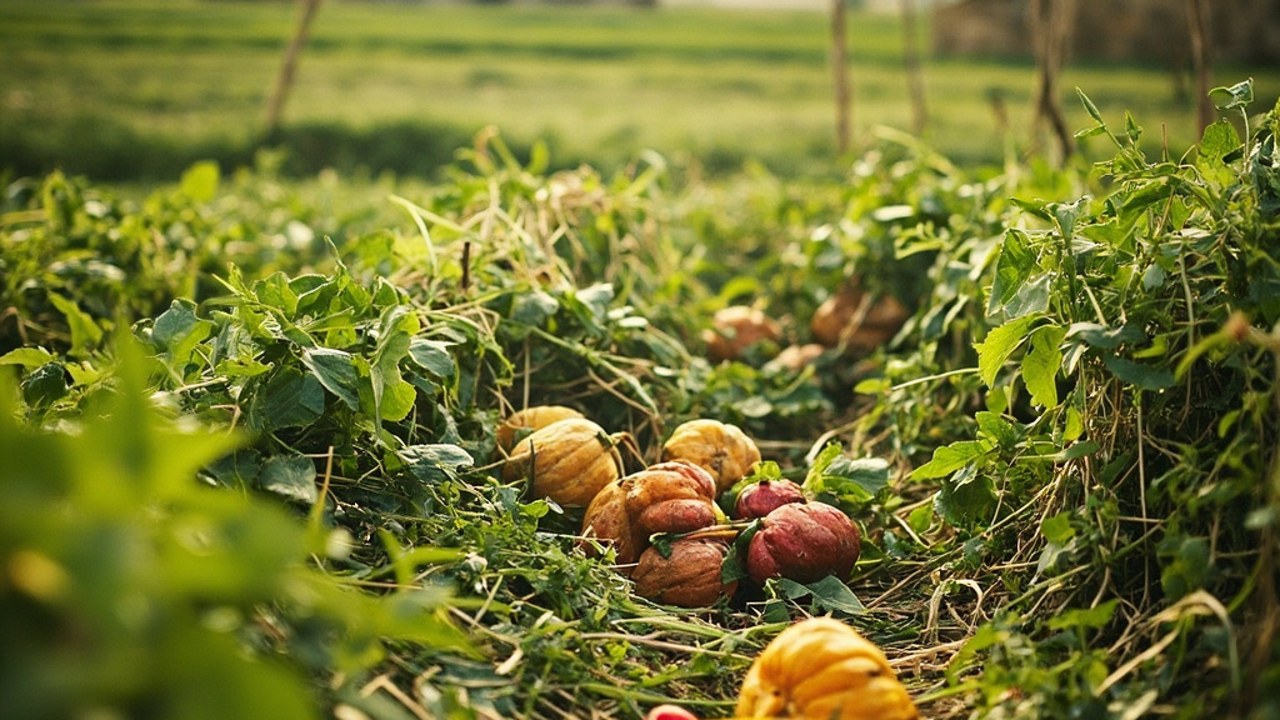
Spring is a period of renewal for farming, and the first six solar terms guide every step from plowing to sowing. Start of Spring (Lichun), the first term, is celebrated with a ritual called “beating the spring ox,” where farmers use a wooden effigy of an ox to symbolize breaking ground for planting—this tradition dates back to the Tang Dynasty (618 – 907 CE) and is still practiced in rural areas today.
For more on this key spring term, see lichun the start of spring. Rain Water (Yushui) follows, when farmers repair irrigation channels and prepare fields for planting, as the term signals increasing rainfall that nourishes winter wheat and early vegetables.
Awakening of Insects (Jingzhe) marks when temperatures rise enough to wake hibernating pests, so farmers begin early pest control measures like turning over soil to expose larvae to cold air. Spring Equinox brings the main transplanting season for rice in southern China, with farmers working in teams to move seedlings from nurseries to flooded fields.
Clear and Bright (Qingming) is known for tomb-sweeping rituals, but it is also a critical time for planting tea trees and leafy vegetables, as the mild, sunny weather supports growth. Farming Traditions In The 24 Solar Terms Grain Rain (Guyu), the sixth spring term, is named for the abundant rain that falls, making it the ideal time to sow soybeans and cotton—farmers often hold small ceremonies to thank the gods for timely rain.
Summer terms focus on nurturing crops and managing heat and pests, as temperatures rise to their highest levels of the year. Start of Summer (Lixia) signals the start of rice growth, with farmers transplanting late rice seedlings and increasing feeding for livestock to support their energy needs during the busy growing season.
Grain Buds (Xiaoman) is when wheat grains reach their full size, so farmers begin checking fields for ripeness and preparing harvesting equipment. Grain in Ear (Mangzong) is one of the busiest periods of the year: northern farmers harvest winter wheat, while southern farmers plant late rice, working from dawn to dusk to beat potential rain storms.
Summer Solstice (Xiazhi), the longest day of the year, requires farmers to shade crops like melons and tomatoes to prevent sunburn, and water fields in the early morning or evening to avoid evaporation. Minor Heat (Xiaoshu) brings high humidity, so farmers use natural methods like interplanting mint with vegetables to repel pests and reduce heat stress.
Major Heat (Dashu) is the hottest term, with farmers maintaining constant irrigation for rice paddies and storing hay for livestock feed during the coming winter. Farming Traditions In The 24 Solar Terms In Zhejiang province, for example, the Grain in Ear harvest is a community event, with neighbors helping each other gather wheat and sharing meals to mark the season’s intensity.
Autumn terms center on harvesting and storing crops, as farmers work to secure their year’s yield before cold weather sets in. Start of Autumn (Liqiu) is a subtle shift, with farmers checking corn and sorghum fields for ripeness and beginning to harvest early crops like radishes.
End of Heat (Chushu) signals the end of summer heat, so farmers stop watering summer crops and start drying grains in the sun to prepare for storage. Autumn Equinox (Qiufen) is the peak harvest season for rice and soybeans, with traditional activities like “weighing pigs” to predict the quality of the year’s harvest—heavier pigs are seen as a sign of abundant crops.
Cold Dew (Hanlu) brings cooler temperatures, so farmers harvest late vegetables like cabbage and cover fruit trees with straw to protect them from frost. Frost’s Descent (Shuangjiang) is the final harvest for frost-sensitive crops like cotton, and farmers store the remaining grain in airtight barns to prevent moisture damage.
Farming Traditions In The 24 Solar Terms A common mistake among new farmers is harvesting autumn crops before Frost’s Descent, a practice that can reduce grain quality by up to 15% in northern China, as frost helps dry the grain and concentrate its nutrients.
Winter terms are for resting and preparing for the next growing season, as fields lie dormant. Start of Winter (Lidong) marks the end of the year’s farming work, with farmers celebrating with feasts and repairing tools like plows and irrigation channels.
Minor Snow (Xiaoxue) brings light snowfall, so farmers cover winter wheat fields with straw to insulate the soil from extreme cold and prevent frost damage. Major Snow (Daxue) is when snow accumulates, and farmers shovel snow from field edges to prevent waterlogging and ensure air reaches the roots of winter crops.
Winter Solstice (Dongzhi), the shortest day of the year, is a time for rest and reflection: farmers offer small sacrifices to ancestors to thank them for the year’s harvest, and many take time to repair farm equipment or plan next year’s planting schedule. Minor Cold (Xiaohan) is a time for maintaining irrigation channels and checking stored grain for pests, while Major Cold (Dahan) is the final winter term, when farmers prepare seeds for the next spring and test soil fertility to plan planting locations.
Farming Traditions In The 24 Solar Terms In Shandong province, for example, spreading straw over wheat fields during Minor Cold is a traditional practice that has been used for centuries, keeping soil temperatures stable and increasing wheat yields by an average of 10%.
Today, even with advanced weather forecasting and agricultural technology, many small-scale farmers in China rely on the farming traditions in the 24 solar terms to guide their work, as the system is rooted in millennia of observing local climate patterns. Organic farmers in Yunnan, for instance, use the timing of Grain Rain’s rain to sow organic vegetables, reducing water waste by 20% compared to using generic planting schedules.
Overseas, some farmers in regions with similar climates to northern China—like parts of the U.S. Midwest and southern Canada—have adopted parts of the system, such as planting wheat around the Autumn Equinox to align with seasonal shifts.
For parents and teachers, these farming traditions in the 24 solar terms are a valuable educational tool: they teach children about ancient science, sustainable agriculture, and the importance of working in harmony with nature. Unlike modern agricultural methods that often prioritize short-term yields, the solar terms’ wisdom emphasizes long-term balance, making it a timeless resource for anyone interested in farming traditions or Chinese culture.
What should a beginner remember first about farming traditions in the 24 solar terms? The first point is that the date is part of a larger cultural calendar, not an isolated celebration.
It belongs to a system of seasonal observation, family tradition, and symbolic meaning.
How is farming traditions in the 24 solar terms different from a simple public holiday? A public holiday mainly tells people when they have time off.
A traditional festival or seasonal marker also explains what the date means, which foods or activities are connected with it, and why families remember it.
Why does farming traditions in the 24 solar terms still matter today? It matters because it gives people a simple way to connect modern life with inherited culture.
Even a short meal, a family conversation, or a seasonal activity can keep the meaning alive.
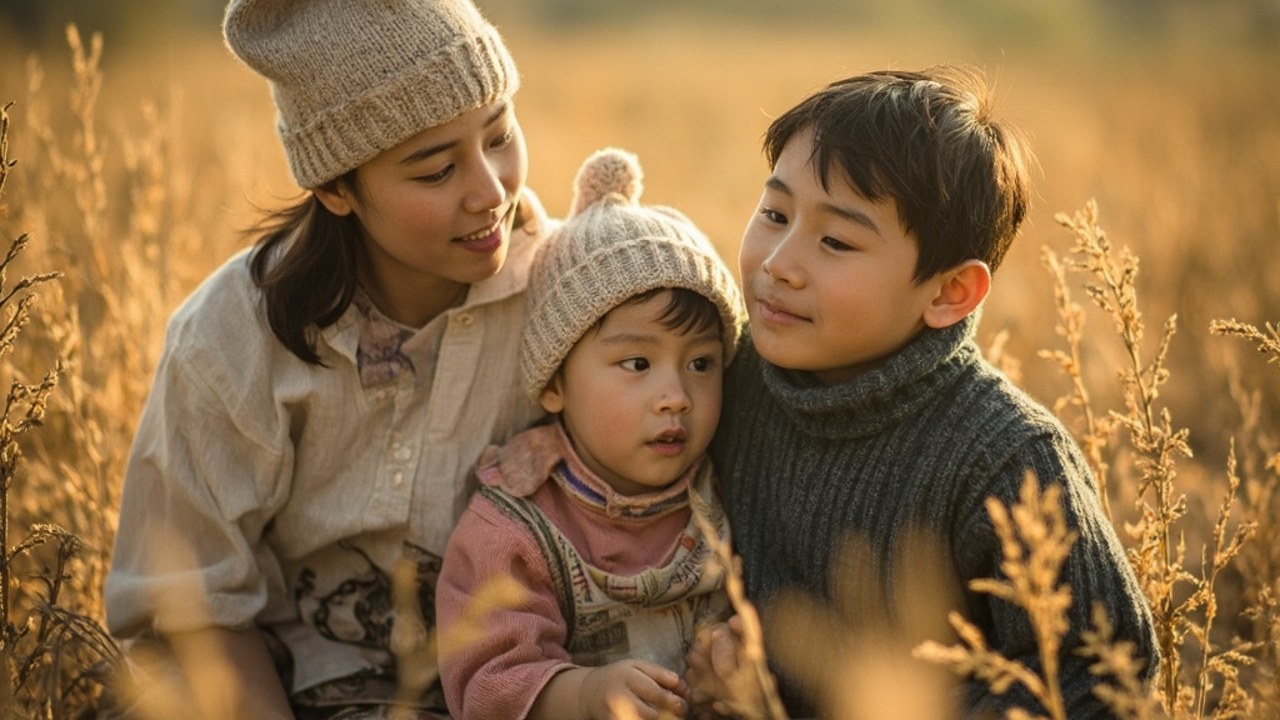
The farming traditions in the 24 solar terms are a 2,000-year-old agrarian system integrated into the Chinese calendar, dividing the year into 24 distinct segments based on astronomical observations (Earth’s orbit around the Sun) and climatic patterns. Each segment corresponds to specific agricultural tasks—such as sowing, transplanting, irrigating, or harvesting—tailored to local seasonal conditions, guiding farmers to align their work with nature’s rhythms for optimal crop yields.
Traditional customs include ritual practices to pray for harvest success (like the Spring Sacrifice at the Start of Spring to honor agricultural deities), communal activities tied to key farming stages (such as irrigation drives during Grain in Ear), and intergenerational knowledge sharing of solar-term-based farming techniques. Many regions also hold local festivals aligned with solar terms to celebrate farming milestones, fostering community bonds.
Seasonal foods are chosen to match both the produce of each solar term and dietary principles tied to farming cycles. For example, spring pancakes are eaten at Start of Spring to symbolize welcoming new growth; plums, which ripen during Grain in Ear, are consumed to beat the approaching summer heat; and dumplings or glutinous rice balls (tangyuan) are popular at Winter Solstice to nourish the body during cold months, linking food to farming’s seasonal rhythms.
While the 24 solar terms are rooted in observing natural weather and seasonal shifts, farming practices tied to them can influence local microclimates. For instance, farmers schedule water storage (like building small ponds at the Grain Rain solar term to capture rainwater) to regulate soil moisture, which affects local humidity. Cover cropping during cool solar terms to protect soil reduces erosion and moderates soil temperature, while traditional irrigation timing can alter field-level temperature and moisture, indirectly shaping local weather patterns at a small scale.
Aligned with Traditional Chinese Medicine (TCM)’s emphasis on seasonal balance, health practices adjust to each solar term’s energy. For example, at Start of Spring, people eat yang-boosting foods like scallions to adapt to rising warmth; during Summer Solstice, they avoid midday overexertion and drink cooling mung bean soup to prevent fatigue; and at Winter Solstice, nourishing lamb soup is eaten to build energy reserves for cold months. Daily routines also sync with solar terms—such as waking earlier in spring and later in winter—to harmonize with nature’s cycles.
May is meteorological spring in China, but local weather ranges from cool northern conditions to…
Read More →
Understand winter in China by month and region, from snowy northeast cities to mild southern…
Read More →
China has no single monsoon month. Compare South China, the Yangtze Meiyu belt, North China,…
Read More →