
What Season Is May in China? Calendar and Regional Context
May is meteorological spring in China, but local weather ranges from cool northern conditions to…
Read More →
Spring solar terms foods is a practical way to understand how the 24 Chinese solar terms connect seasonal change, traditional calendar wisdom, and everyday life.
This article is for culture learners, parents planning family meals, and teachers looking to integrate cultural context into lessons. You’ll discover which dishes pair with each spring solar term, their cultural meanings, and how to adapt them for modern life.
The system contains exactly 24 terms, not only the major seasonal turning points. They are arranged in calendar order from early spring to deep winter:
For the full site index, see our 24 Solar Terms guide. For historical background, the Chinese solar terms overview on Wikipedia is a useful external reference.
To ground your understanding, we explicitly list all 24 solar terms: Start of Spring (Lichun), Rain Water (Yushui), Awakening of Insects (Jingzhe), Spring Equinox (Chunfen), Pure Brightness (Qingming), Grain Rain (Guyu), Start of Summer (Lixia), Grain Buds (Xiaoman), Grain in Ear (Mangzhong), Summer Solstice (Xiazhi), Minor Heat (Xiaoshu), Major Heat (Dashu), Start of Autumn (Liqiu), End of Heat (Chushu), White Dew (Bailu), Autumn Equinox (Qiufen), Cold Dew (Hanlu), Frost’s Descent (Shuangjiang), Start of Winter (Dongzhi), Minor Snow (Xiaoxue), Major Snow (Daxue), Winter Solstice (Dongzhi), Minor Cold (Xiaohan), Major Cold (Dahan). Spring encompasses the first six of these terms, each bringing unique weather and dietary needs that shape local food practices.
The 24 solar terms are a traditional Chinese calendar system that divides the year into 24 15-day segments, each corresponding to a specific position of the sun. This system was developed to help farmers align planting, harvesting, and daily life with natural cycles, but it has evolved into a cultural framework that influences food, customs, and health across China.
Spring solar terms foods are rooted in the principle of eating with the season: as nature awakens from winter, foods are chosen to support the body’s rising yang energy, clear residual dampness, and celebrate new growth. Unlike modern seasonal eating trends, these dishes carry layered cultural meaning—from symbolic rituals to regional heritage.
For example, Start of Spring’s “biting spring” custom isn’t just about fresh radishes; it’s a way to welcome warmth and ward off the sluggishness of winter.
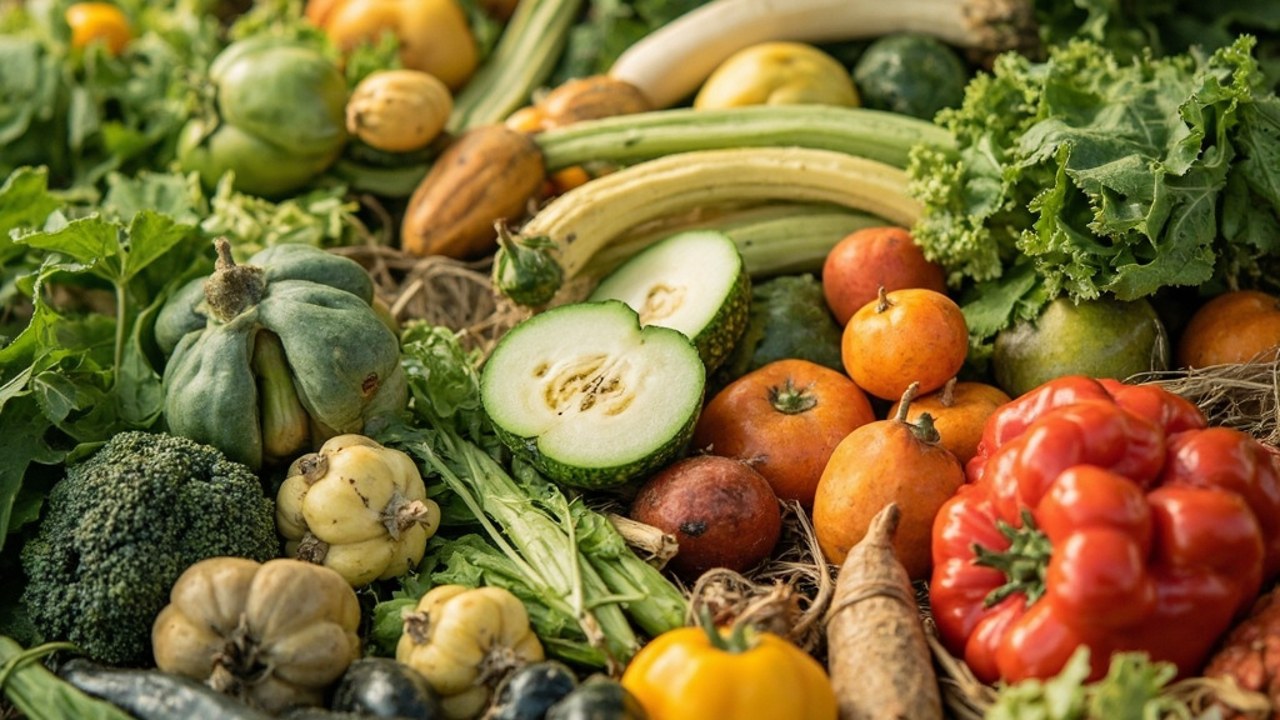
Start of Spring, the first solar term (typically February 3–5), marks the official start of spring in the Chinese calendar. Its most iconic food custom is yaochun, or “biting spring,” which involves eating specific fresh foods to symbolize welcoming the new season.
The core of this tradition is raw radish: crisp, spicy, and bright, it’s meant to “bite through” the cold and stagnation of winter. In northern China, families also make spring pancakes (chuanbing) filled with seven ingredients—sprouts, shredded carrots, pork, eggs, and more—called qicai bing, or “seven-ingredient pancake,” which is believed to bring good luck for the year ahead.
A small expert tip for beginners: if you’re new to these rituals, start with the radish—it’s easy to find, affordable, and requires no preparation beyond washing, making it a gentle way to engage with the custom without overwhelming effort. Spring Solar Terms Foods Many overseas communities adapt this tradition by pairing radish slices with other spring produce, like lettuce or cucumber, to fit local availability.
Rain Water (February 18–20), the second spring term, brings increased rainfall and rising humidity. This weather can lead to dampness in the body, causing fatigue or mild digestive discomfort.
Traditional foods here focus on gentle nourishment and balancing yin and yang. A classic dish is chuanxiong egg soup: chuanxiong is a mild herb known for its ability to reduce dampness, paired with eggs for protein.
In southern regions, cabbage soup with ginger is also popular—ginger warms the body while cabbage adds crispness and hydration. For those adapting these dishes to modern life, chuanxiong is available at many Asian grocery stores, and the soup can be made in 15 minutes for a quick, seasonal meal.
Spring Solar Terms Foods If you’re looking for more seasonal eating advice, check our spring health tips for additional guidance on aligning diet with solar term needs.
The third and fourth spring terms—Awakening of Insects (March 5–7) and Spring Equinox (March 20–22)—mark a transition to full spring growth. Awakening of Insects gets its name from the belief that insects wake from hibernation as temperatures rise; the custom here is to eat pears, often stewed with rock sugar, to ward off illness that might come with the “awakening” of pests or germs.
Spring Equinox, which has equal day and night, focuses on balancing yin and yang. Local dishes here include fresh spinach (rich in iron, perfect for the body’s renewed activity) and bamboo shoots—tender, earthy, and symbolic of new growth.
In some rural areas, families gather wild spring vegetables like shepherd’s purse (jicai) to make dumplings, a practice that connects them to the land and seasonal abundance. Spring Solar Terms Foods For example, in Jiangsu province, shepherd’s purse dumplings are a staple during this period, with each bite carrying the taste of early spring.
Pure Brightness (April 4–6), the fifth spring term, is a unique blend of solemn tradition and joyful celebration. It’s a time to honor ancestors by tending to their graves, but also to enjoy the arrival of spring.
The most famous food here is qingtuan—small, green rice balls made from the juice of wormwood (ai cao) or mugwort. The green color comes from the herb, which has mild detox properties, and they’re usually filled with sweet red bean paste or savory pork.
Many beginners to Chinese culture often overlook Qingming’s dual purpose: pairing the respectful act of tomb-sweeping with the playful ritual of making qingtuan together. This makes it a perfect opportunity for parents to teach children about both history and seasonal food.
Spring Solar Terms Foods For example, a family might make qingtuan after visiting a relative’s grave, turning a somber day into a bonding experience centered on shared food.
Grain Rain (April 19–21), the sixth and final spring term, is named for the rain that helps grain grow. This is when spring produce is at its most tender and flavorful, so dishes here highlight fresh, local ingredients.
The star food is toona sinica (xiangchun), a fragrant tree sprout with a sharp, nutty taste. In Shandong province, scrambled eggs with toona is a classic dish—simple, quick, and packed with spring flavor.
Some families also pickle toona to enjoy later in the year, preserving the season’s essence. Another specialty is Guyu tea, made from tea leaves picked during this term, which is prized for its fresh, grassy aroma.
Spring Solar Terms Foods For modern cooks, toona can be found at Asian markets in early spring, and the scrambled egg dish is easy to adapt for vegetarians by replacing eggs with tofu.
As we move beyond spring solar terms into summer, the principles of seasonal eating continue to shape Chinese food practices—but the spring terms hold a special place for their focus on renewal and growth. These foods aren’t just recipes; they’re a way to connect with ancient traditions, understand nature’s rhythms, and bring cultural context to everyday meals.
For a full guide to all solar term foods across the year, see our seasonal food guide for all 24 solar terms, which covers dishes for every term from Start of Spring to Major Cold. Whether you’re a culture learner, parent, or teacher, spring solar terms foods offer a delicious, accessible way to engage with Chinese heritage and seasonal living.
Spring Solar Terms Foods is not only a date on the calendar. In Chinese seasonal culture, it is a way to connect family routines, food choices, weather awareness, and traditional memory.
People often understand a festival or seasonal custom by looking at what families prepare, what they eat, what they avoid, and what ideas they pass to children.
For readers outside China, spring solar terms foods can be understood as a practical cultural window. It shows how the traditional calendar joins agriculture, family reunion, health ideas, and symbolic customs.
Even when modern families no longer follow every old practice, many people still keep the most meaningful parts because they create rhythm in the year.
The most useful way to study spring solar terms foods is to ask three questions: What does this date mark in the seasonal cycle? What do people actually do at home or in public life?
Why did those customs become meaningful? These questions keep the article practical and prevent the topic from becoming only a list of facts.
Many traditional customs around spring solar terms foods are easier to understand when they are grouped by daily life. Food customs usually carry wishes for health, reunion, harvest, or good fortune.
Family customs often focus on visiting relatives, remembering ancestors, sharing meals, or preparing the home for a new seasonal stage.
In a modern setting, people may simplify these customs. A family might keep the reunion meal but skip complicated rituals.
A school might teach the story behind the date rather than ask students to perform old ceremonies. A community event might use spring solar terms foods as a chance to explain Chinese calendar culture to younger readers.
This flexible pattern is important. Chinese festivals and seasonal customs survive because they can change while keeping their core meaning.
The form may become simpler, but the emotional purpose remains: people use the calendar to remember where they come from, organize family time, and notice the movement of the year.
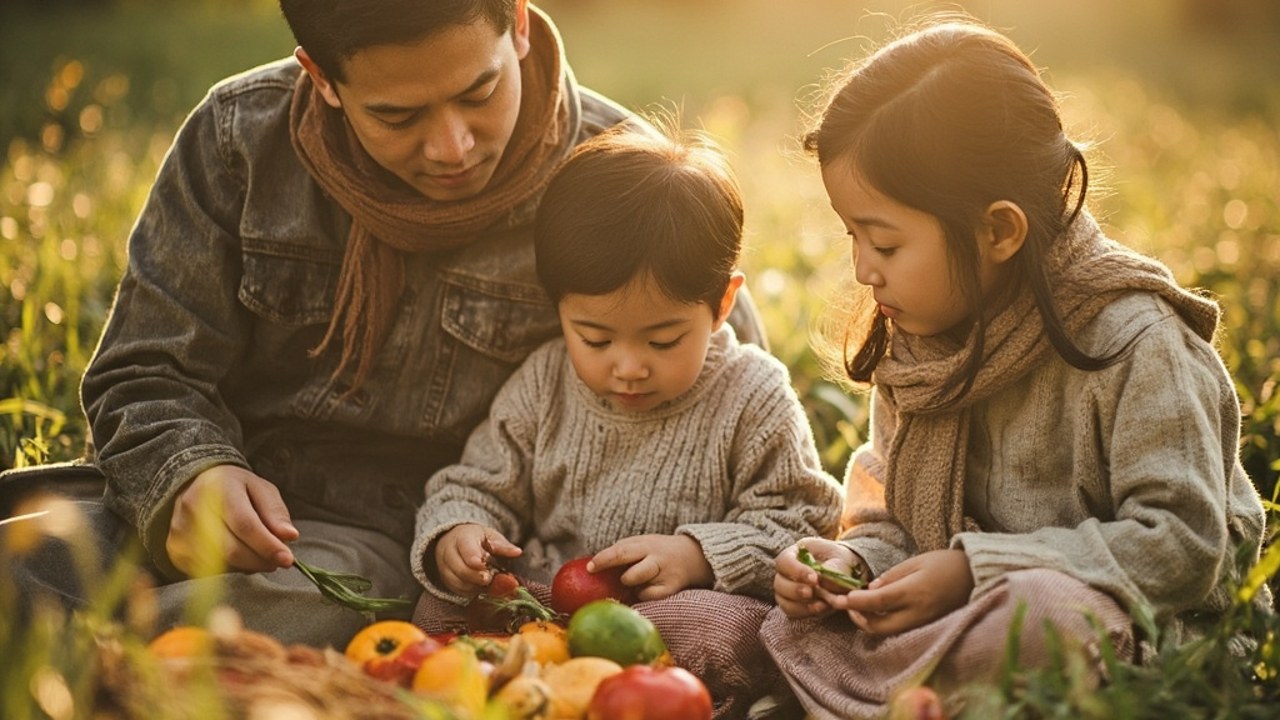
Spring solar terms foods refer to seasonal dishes and dietary practices tied to the first six of China’s 24 traditional solar terms, spanning roughly early February to early May each year. These terms include Start of Spring (Lichun), Rain Water (Yushui), Awakening of Insects (Jingzhe), Spring Equinox (Chunfen), Pure Brightness (Qingming), and Grain Rain (Guyu). The foods are rooted in agricultural cycles, cultural rituals, and traditional Chinese dietary principles.
Traditional customs of spring solar terms foods are linked to seasonal celebrations and cultural beliefs. For example, on Start of Spring, many regions eat spring pancakes (chunbing) or spring rolls to welcome the new season and symbolize growth. During Qingming, people make green rice balls (qingtuan) from wormwood to honor ancestors and mark fresh spring growth. These practices also aim to nourish the body as it wakes from winter dormancy.
Common foods eaten during spring solar terms include fresh seasonal produce like spinach, Chinese chives, watercress, and tender toon sprouts. Term-specific foods vary by region: spring pancakes on Start of Spring, sweet glutinous rice cakes in some areas for the Spring Equinox, and qingtuan on Pure Brightness. Most are locally harvested in spring to align with the season’s fresh, abundant ingredients.
Spring solar terms foods do not directly influence the weather, but they are carefully adapted to the seasonal weather changes of the period. Spring brings fluctuating temperatures, rising humidity, and increased sunlight, so traditional diets favor light, fresh foods over heavy winter dishes. These foods support the body’s adjustment to warming conditions, rather than altering the weather itself.
Traditional Chinese medicine (TCM) offers wellness practices for spring solar terms diets. Since TCM associates spring with the liver meridian, it recommends eating yang-nourishing foods like chives, toon sprouts, and spring onions to boost energy and support liver function. It also advises avoiding greasy winter foods to prevent internal dampness, and suggests fresh bitter greens (such as dandelion) to clear excess liver heat. Light, hydrating soups or herb teas are also encouraged for balance.
May is meteorological spring in China, but local weather ranges from cool northern conditions to…
Read More →
Understand winter in China by month and region, from snowy northeast cities to mild southern…
Read More →
China has no single monsoon month. Compare South China, the Yangtze Meiyu belt, North China,…
Read More →