
What Season Is May in China? Calendar and Regional Context
May is meteorological spring in China, but local weather ranges from cool northern conditions to…
Read More →
Winter Solar Terms Guide is a practical way to understand how the 24 Chinese solar terms connect seasonal change, traditional calendar wisdom, and everyday life.
This Winter Solar Terms Guide is tailored for overseas culture learners, parents, and teachers seeking clear, practical explanations of how the winter season fits into China’s traditional timekeeping. The Chinese solar terms system is a precise, time-honored calendar that divides the year into exactly 24 distinct terms, each corresponding to a 15-degree shift in the sun’s longitude.
The system contains exactly 24 terms, not only the major seasonal turning points. They are arranged in calendar order from early spring to deep winter:
For the full site index, see our 24 Solar Terms guide. For historical background, the Chinese solar terms overview on Wikipedia is a useful external reference.
The full sequence is: 1. Lichun (Start of Spring), 2.
Yushui (Rain Water), 3. Jingzhe (Awakening of Insects), 4.
Chunfen (Spring Equinox),5. Qingming (Clear and Bright),6.
Guyu (Grain Rain),7. Lixia (Start of Summer),8.
Xiaoman (Grain Buds),9. Mangzhong (Grain in Ear),10.
Xiazhi (Summer Solstice),11. Xiaoshu (Minor Heat),12.
Dashu (Major Heat),13. Liqiu (Start of Autumn),14.
Chushu (End of Heat),15. Bailu (White Dew),16.
Qiufen (Autumn Equinox),17. Hanlu (Cold Dew),18.
Shuangjiang (Frost’s Descent),19. Lidong (Start of Winter),20.
Xiaoxue (Minor Snow),21. Daxue (Major Snow),22.
Dongzhi (Winter Solstice),23. Xiaohan (Minor Cold),24.
Dahan (Major Cold). This guide focuses exclusively on the six terms that make up the winter season: Lidong, Xiaoxue, Daxue, Dongzhi, Xiaohan, and Dahan, exploring their astronomical meaning, cultural customs, modern relevance, and practical uses for daily life.
Each winter solar term spans roughly 15 days, aligned with the sun’s movement along the ecliptic. The cycle begins with Lidong (Start of Winter) around November 7, when the sun reaches 225 degrees longitude, and ends with Dahan (Major Cold) around January 20, when the sun hits 300 degrees longitude.
This system was formalized during the Han Dynasty (206 BCE – 220 CE) and became a core part of Chinese agricultural life, providing farmers with predictable markers for winter preparations. For example, in 2024, Lidong falls on November 7, Xiaoxue on November 22, Daxue on December 7, Dongzhi on December 21, Xiaohan on January 6, 2025, and Dahan on January 20, 2025.
Winter Solar Terms Guide Cultural historians specializing in ancient Chinese agriculture note that winter solar terms were especially critical for survival, as they provided clear signals for storing food, preparing shelter, and adjusting daily routines to avoid cold-related illnesses.
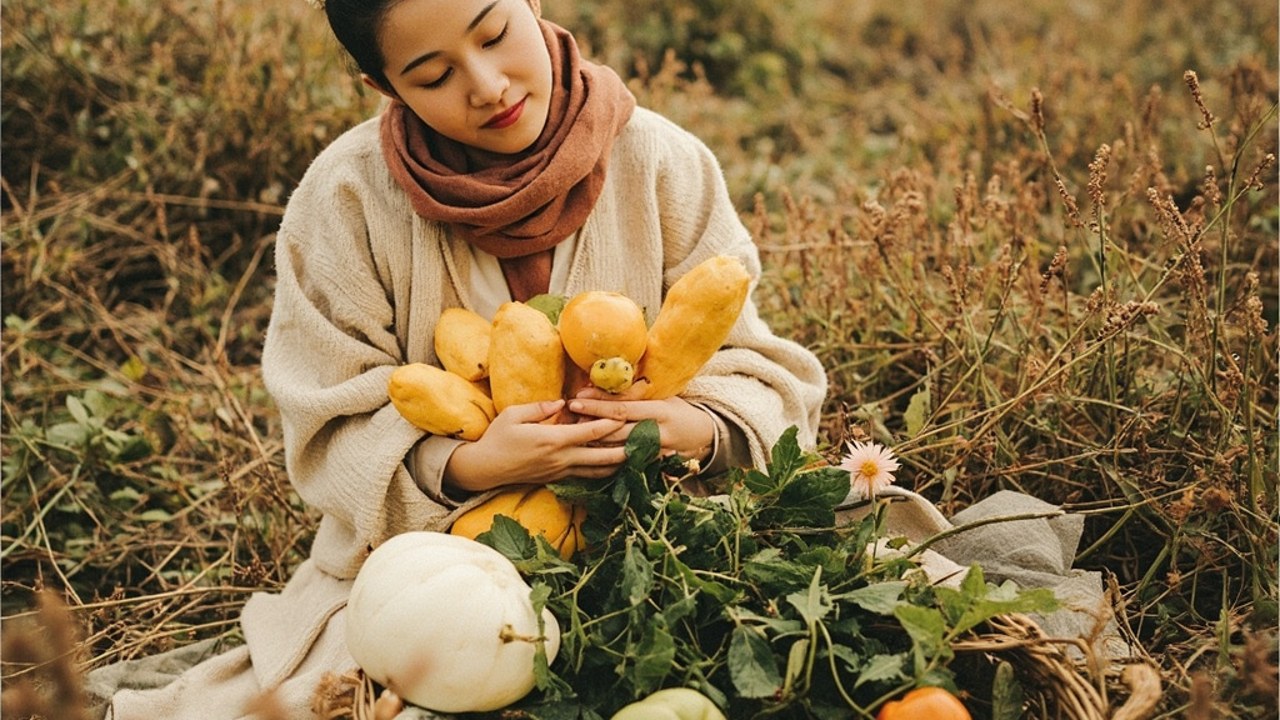
Each winter term has distinct, concrete customs that have been passed down for centuries. For Lidong, northern Chinese families hold “winter nourishment” feasts, eating mutton hot pot with ginger, goji berries, and Chinese dates to build up energy for the cold months; southern families opt for chicken soup instead.
Xiaoxue, named for its light snow, was historically marked by storing snow in underground cellars to keep food cool in summer—today, this is rare, but some still take walks in light snow to mark the occasion. Daxue, when snowfall is heavier, sees northern households pickling cabbage and radishes (suan cai) to last through winter; in Harbin, this is when ice sculptors begin preparing for the city’s famous ice festival.
Dongzhi, the Winter Solstice, is the most beloved winter term: the custom of eating dumplings comes from a legend where doctor Zhang Zhongjing (150 – 215 CE) created ear-shaped dumplings to treat villagers with frostbite. Southern families eat tangyuan (glutinous rice balls) in sweet syrup, symbolizing family unity.
Winter Solar Terms Guide Xiaohan brings activities like snowball fights and making lap mei (air-dried pork), while Dahan, the final winter term, is when families start prepping for the Spring Festival—cleaning homes, buying new clothes, and making nian gao (sticky rice cake) for good luck.
Modern readers can apply winter solar term wisdom to daily health, with specific, actionable tips for each term. For Lidong, focus on warm, high-fiber foods like sweet potato porridge and oats to boost metabolism; avoid raw salads that can slow energy.
During Xiaoxue, aim for 7-8 hours of sleep nightly to fight fatigue, and open curtains during the day to get natural light, which regulates mood. Daxue calls for layered clothing: a thin base layer, warm middle layer, and windproof outer layer to protect joints from cold.
Dongzhi is a good time to eat vitamin D-rich foods like mushrooms, eggs, and salmon, since sunlight is scarce in winter. For Xiaohan, do 10-15 minutes of light exercise like tai chi or brisk walking daily—avoid intense workouts in extreme cold that strain the heart.
Finally, during Dahan, stay hydrated with warm water or herbal tea, as dry indoor air and cold weather can cause dehydration without obvious thirst. Winter Solar Terms Guide Traditional Chinese medicine practitioners advise that following these rhythms strengthens the body’s “yang” energy, supporting immunity against colds and flu.
Winter solar terms are deeply tied to seasonal foods, with many dishes still enjoyed today, even with modern twists. Lidong’s mutton hot pot now has vegan versions using plant-based meat and bone broth substitutes, while Xiaoxue’s candied hawthorns remain a popular street food, rich in vitamin C and aiding digestion.
Daxue’s pickled cabbage is used in dumplings, hot pot, and stir-fries, with modern recipes adding chili for extra flavor. Dongzhi’s tangyuan comes in fillings beyond traditional sesame or red bean, including matcha or chocolate for younger generations.
For culture learners, making homemade tangyuan is a simple family activity: mix glutinous rice flour with warm water, roll into balls, and serve in sweet ginger syrup. Xiaohan’s lap mei (air-dried pork) is often added to rice dishes, with modern variations using turkey or chicken for lighter diets.
Dahan’s nian gao can be steamed or fried, with some families adding red bean paste for sweetness. Winter Solar Terms Guide For more seasonal food ideas across all 24 solar terms, check the seasonal food guide for all 24 solar terms.
Two key myths often confuse beginners to Chinese solar terms. First, many assume all winter terms are cold and snowy, but this is not true: in southern China, Xiaoxue often brings light rain instead of snow, and Daxue may only have a few flurries.
For example, Guangzhou rarely sees snow in winter, even during Daxue. Second, Dongzhi is not the coldest day of winter—meteorological data shows the coldest temperatures occur during Xiaohan or Dahan, 1-2 months later.
This is because the Earth retains heat from summer, leading to a gradual cooling cycle. Winter Solar Terms Guide Beginner learners often mix up astronomical and climatic timing; understanding this heat retention cycle is key to avoiding mistakes when interpreting winter weather patterns.
For parents and teachers, winter solar terms offer fun, educational ways to engage with Chinese culture. Parents can teach kids about Dongzhi by making homemade dumplings together, explaining Zhang Zhongjing’s legend and the importance of family meals.
During Daxue, try pickling a small batch of vegetables as a family project, teaching basic food preservation. Teachers can use winter terms in cultural studies classes: have students track daily temperatures during Xiaoxue and Daxue, comparing local weather to traditional descriptions, or use Dongzhi to discuss Chinese symbols like tangyuan’s round shape (representing unity).
Winter Solar Terms Guide Culture learners can visit a local Chinese market during Xiaohan or Daxue to look for lap mei or pickled cabbage, or try making tangyuan at home for Dongzhi—small, hands-on activities that bring the solar terms to life.
Winter Solar Terms Guide is not only a date on the calendar. In Chinese seasonal culture, it is a way to connect family routines, food choices, weather awareness, and traditional memory.
People often understand a festival or seasonal custom by looking at what families prepare, what they eat, what they avoid, and what ideas they pass to children.
For readers outside China, Winter Solar Terms Guide can be understood as a practical cultural window. It shows how the traditional calendar joins agriculture, family reunion, health ideas, and symbolic customs.
Even when modern families no longer follow every old practice, many people still keep the most meaningful parts because they create rhythm in the year.
The most useful way to study Winter Solar Terms Guide is to ask three questions: What does this date mark in the seasonal cycle? What do people actually do at home or in public life?
Why did those customs become meaningful? These questions keep the article practical and prevent the topic from becoming only a list of facts.
Many traditional customs around Winter Solar Terms Guide are easier to understand when they are grouped by daily life. Food customs usually carry wishes for health, reunion, harvest, or good fortune.
Family customs often focus on visiting relatives, remembering ancestors, sharing meals, or preparing the home for a new seasonal stage.
In a modern setting, people may simplify these customs. A family might keep the reunion meal but skip complicated rituals.
A school might teach the story behind the date rather than ask students to perform old ceremonies. A community event might use Winter Solar Terms Guide as a chance to explain Chinese calendar culture to younger readers.
This flexible pattern is important. Chinese festivals and seasonal customs survive because they can change while keeping their core meaning.
The form may become simpler, but the emotional purpose remains: people use the calendar to remember where they come from, organize family time, and notice the movement of the year.
The Winter Solar Terms Guide is a traditional Chinese seasonal reference that covers the six winter solar terms in the lunisolar calendar: Start of Winter (Lìdōng), Minor Snow (Xiǎoxuě), Major Snow (Dàxuě), Winter Solstice (Dōngzhì), Minor Cold (Xiǎohán), and Major Cold (Dàhán). It organizes cultural, agricultural, and wellness practices tied to each phase of winter, marking the seasonal progression from winter’s onset to its peak and end.
Key traditional customs include: celebrating Start of Winter with “biting winter” (eating nourishing foods to prepare for cold); Winter Solstice rituals like ancestor worship, eating dumplings (northern China) or tangyuan (southern China, symbolizing family unity); storing winter provisions such as pickled vegetables and preserved meat; wearing thick warm clothing; and in northern regions, enjoying ice-skating or snow activities during the coldest periods.
Seasonal and traditional winter foods focus on warming, energy-boosting options: lamb soup, hot pot, braised pork, Winter Solstice dumplings, glutinous rice tangyuan, sesame balls, red bean soup, and long-lasting pickled vegetables. Many regions also consume medicinal tonics like ginseng or astragalus soups to support health in frigid weather.
The guide aligns with distinct weather shifts: after Start of Winter, temperatures drop sharply, especially in northern China where freezing begins. Minor Snow brings light snowfall in northern areas, while Major Snow leads to heavier snow, frozen rivers, and cold snaps. Winter Solstice has the year’s shortest day, signaling the approach of peak cold. Minor and Major Cold are the coldest phases, with widespread frost, snowstorms in northern China, and cool damp conditions in the south.
Following traditional Chinese medicine’s principle of “storing energy in winter,” recommended practices include: eating yang-boosting, warming foods (lamb, ginger, garlic); keeping the neck, feet, and back warm; adjusting sleep to earlier bedtimes and later wake-ups; doing gentle exercises like tai chi or qigong; avoiding excessive sweating; and using moxibustion on key points (e.g., Zusanli) to boost immunity. Raw and cold foods are discouraged to protect internal qi.
Wikipedia Autumn Equinox: Complete Guide to Qiufen Solar Term Seasonal Foods China Meaning: Chinese Solar Term Explained Jingzhe Customs and Foods: Awakening of Insects Guide
May is meteorological spring in China, but local weather ranges from cool northern conditions to…
Read More →
Understand winter in China by month and region, from snowy northeast cities to mild southern…
Read More →
China has no single monsoon month. Compare South China, the Yangtze Meiyu belt, North China,…
Read More →