
What Season Is May in China? Calendar and Regional Context
May is meteorological spring in China, but local weather ranges from cool northern conditions to…
Read More →A 24 solar terms food guide should distinguish three things: the solar calendar, locally available ingredients and documented food customs. There is no single authoritative dish for each of the twenty-four terms, and a festival food should not be assigned to a term just because their dates are close.
The terms are astronomical markers. An annual food guide needs the year and the calendar’s time zone; a regional produce list also needs a place. The same date can be a growing season in one location and a storage season in another. Chinese seasonal names refer to a Northern Hemisphere framework, not a global harvest schedule.
Source: Hong Kong Observatory: The 24 Solar Terms.
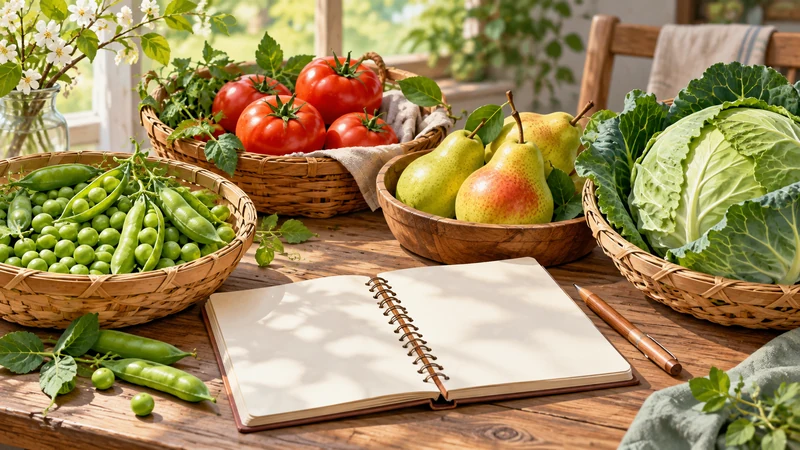
A Lixia account identifies shrimp noodles in southern Fujian. A Minor Snow feature documents winter-preservation customs in parts of Jiangnan. A Dongzhi account describes northern dumplings and several southern rice foods. These are limited examples, not proof of a complete twenty-four-dish system. Follow the seasonal guides for more detail rather than filling missing rows with invented rituals.
Source: 12371.cn: Beginning of Summer customs; People’s Daily Overseas Edition: Minor Snow food customs (2015); 12371.cn: Winter Solstice regional foods.
For each food, record its name, term or festival, region, source and whether it is a present-day meal or a documented custom. For a market ingredient, add where it was grown and whether it is fresh, stored or imported. A family interview can describe that family’s practice; it cannot establish a national origin without further evidence.
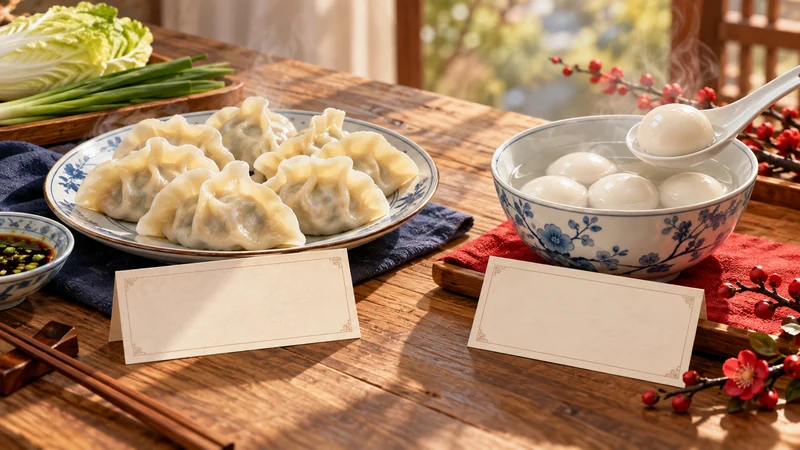
Laba porridge, mooncakes and Lunar New Year meals follow their own festival calendars. Similar ingredients do not make two customs identical. UNESCO’s listing supports the solar-term tradition as cultural heritage; it does not authenticate a recipe or a dietary treatment. This food guide makes no disease-prevention or therapeutic claims.
Source: UNESCO: The Twenty-Four Solar Terms.
This guide does not establish one. Food traditions need individual regional evidence.
Record the term or festival, year, place, food, source and whether the example is a custom or a contemporary meal.
No. The heritage listing concerns the solar-term knowledge and practices, not the authenticity or medical effects of individual recipes.
May is meteorological spring in China, but local weather ranges from cool northern conditions to…
Read More →
Understand winter in China by month and region, from snowy northeast cities to mild southern…
Read More →
China has no single monsoon month. Compare South China, the Yangtze Meiyu belt, North China,…
Read More →