
What Season Is May in China? Calendar and Regional Context
May is meteorological spring in China, but local weather ranges from cool northern conditions to…
Read More →Use a solar terms worksheet as a local observation diary: record the calendar event first, then what you actually see. Keep a blank result when no observation was made instead of filling it with a traditional weather saying.
| Field | Entry |
|---|---|
| Term / Chinese name / solar longitude | ______ |
| Year / date / timezone / source | ______ |
| Location / observation time | ______ |
| Temperature / rain / plants / daylight | ______ |
| What was measured; what was estimated? | ______ |
| Regional custom and its source | ______ |
Visit the same location at roughly the same time over several days. Note a change in method, such as moving a thermometer indoors. This makes a diary easier to compare without presenting a short exercise as a scientific climate record.

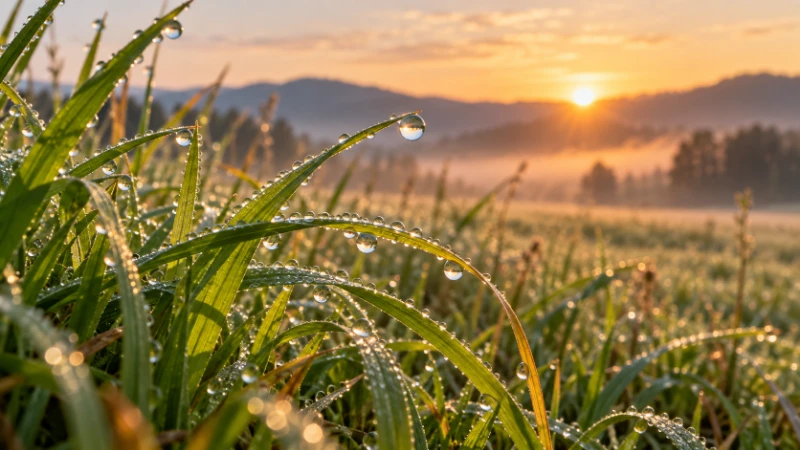
A dew-free morning near White Dew is a valid observation. The calendar definition depends on the Sun’s position; visible dew depends on local conditions. Use the separate 24-term worksheet for a whole-year classroom table.
Hong Kong Observatory: term names and solar longitudes; 2026 Gregorian–lunar conversion table; date and time notes (Hong Kong Time, UTC+8). The calendar sources establish astronomical timing and terminology; they do not verify regional customs.
Record the year, term name, source and timezone. Hong Kong Observatory dates use Hong Kong Time (UTC+8). A date from another timezone can differ near midnight.
No. Record what actually happened at the named location, including an absence of dew, rain or snow. A term name is not an observation.
May is meteorological spring in China, but local weather ranges from cool northern conditions to…
Read More →
Understand winter in China by month and region, from snowy northeast cities to mild southern…
Read More →
China has no single monsoon month. Compare South China, the Yangtze Meiyu belt, North China,…
Read More →