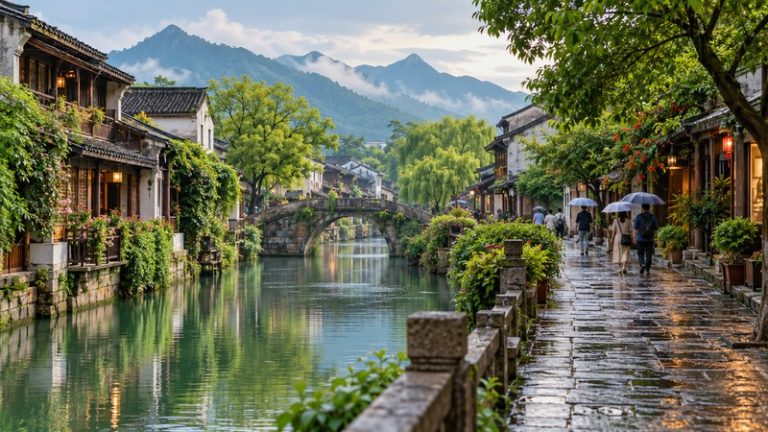
What Season Is May in China? Calendar and Regional Context
May is meteorological spring in China, but local weather ranges from cool northern conditions to…
Read More →Use solar terms for seasonal routines by treating them as recurring reminders to review daylight, weather and your own schedule. Adjust the routine to observed conditions rather than assuming a calendar name tells you how to eat, sleep or exercise.
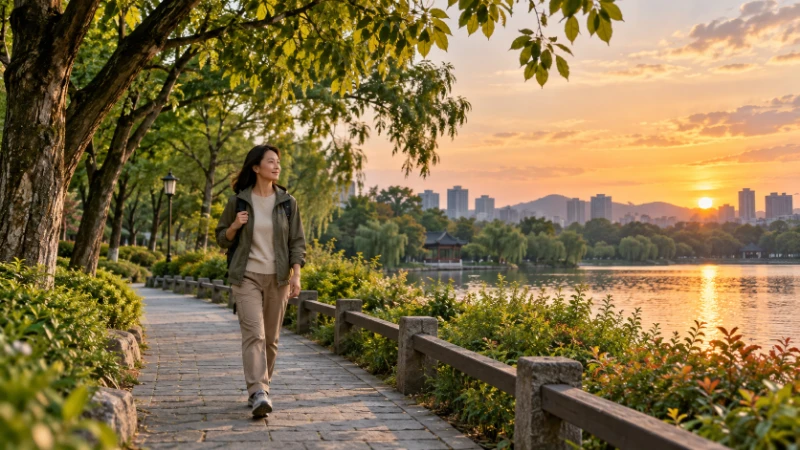
Around an equinox, review the daylight available for a walk or commute. Record the location and available daylight rather than assuming every day contains exactly twelve hours of daylight. A practical change might be moving an outdoor task earlier when evenings darken.
At Beginning of Winter, check outdoor clothing and lighting needs against your local forecast. In a warm climate the same calendar date may call for little change. Southern Hemisphere seasons run opposite to the Northern Hemisphere seasonal language of the terms.

Write the term, date and timezone, the local condition that matters, and the schedule change you chose. Review whether it worked at the next term. This is a planning method, not a traditional medical regimen.
Hong Kong Observatory: term names and solar longitudes; 2026 Gregorian–lunar conversion table; date and time notes (Hong Kong Time, UTC+8). The calendar sources establish astronomical timing and terminology; they do not verify regional customs.
Record the year, term name, source and timezone. Hong Kong Observatory dates use Hong Kong Time (UTC+8). A date from another timezone can differ near midnight.
No. They can prompt a practical schedule review, but they do not establish medical benefits or a required eating, sleeping or exercise regimen.
May is meteorological spring in China, but local weather ranges from cool northern conditions to…
Read More →
Understand winter in China by month and region, from snowy northeast cities to mild southern…
Read More →
China has no single monsoon month. Compare South China, the Yangtze Meiyu belt, North China,…
Read More →