
What Season Is May in China? Calendar and Regional Context
May is meteorological spring in China, but local weather ranges from cool northern conditions to…
Read More →Great Cold (Dahan) foods vary by community. A documented example is Guangdong glutinous rice; year-end feasts and New Year preparations are separate traditions whose lunar dates may fall near Dahan but are not determined by it.
Dahan marks solar longitude 300° and completes the cycle that begins with Beginning of Spring. For 2026, the Hong Kong Observatory gives 20 January in Hong Kong time (UTC+8). Calling it Great Cold does not establish the coldest day in every region.
Source: Hong Kong Observatory: The 24 Solar Terms; Hong Kong Observatory: 2026 calendar.
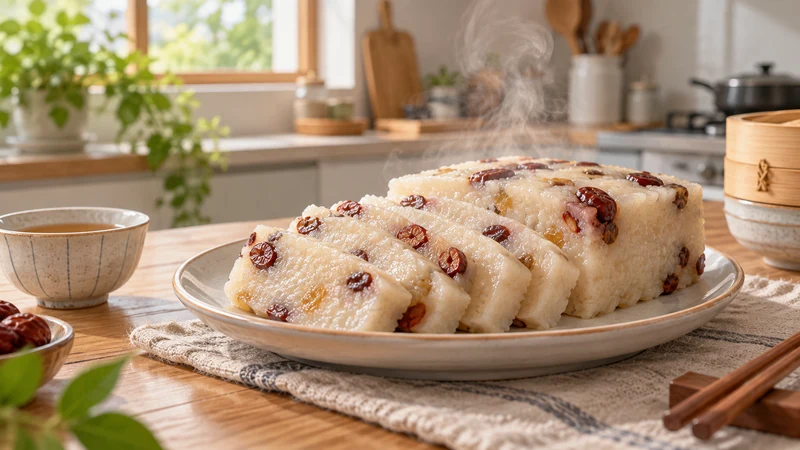
The 12371.cn customs page places a glutinous-rice dish in Guangdong and describes additions such as preserved meats, dried seafood and mushrooms. That is a regional association, not a nationwide dietary rule. Steamed rice cakes and savory glutinous-rice bowls share an ingredient but differ in preparation and serving.
Source: 12371.cn: Great Cold customs.
Taiwan’s Ministry of Agriculture describes Weiya as the sixteenth day of the twelfth lunar month and discusses family and business meals. Its lunar date must be checked for each year. Dahan follows solar longitude; therefore Weiya and Dahan cannot be treated as interchangeable names or permanently simultaneous events. The same caution applies to Kitchen God observances and Lunar New Year.
Source: Taiwan Ministry of Agriculture: Minor Cold and Great Cold.
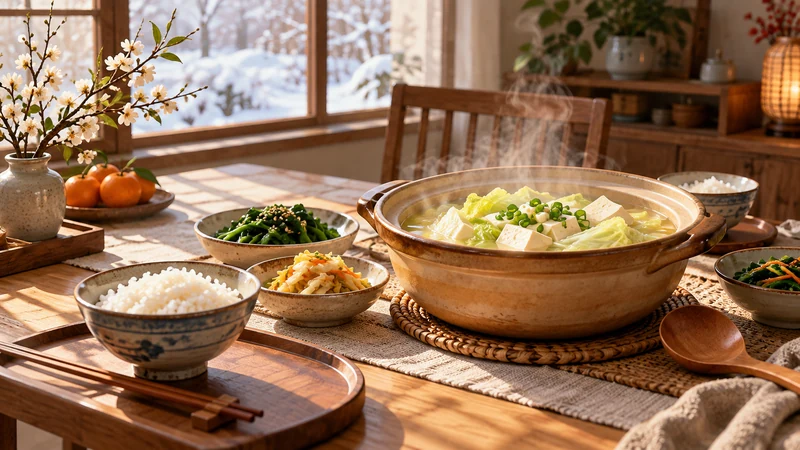
A family might serve soup, rice cakes or a familiar rice dish in late winter. Identify that as present-day practice if no historical source is available. A household dinner photo or illustration cannot establish when a custom began. Traditional ideas about warming or replenishing the body may be described as beliefs, but this guide makes no treatment or disease-prevention claims.
No. This guide presents a Guangdong rice example and distinguishes it from other regional or household meals.
No. Weiya has a lunar date, while Great Cold is a solar term. Check the year’s calendar.
No medical effect is established by a seasonal custom or the sources used here.
May is meteorological spring in China, but local weather ranges from cool northern conditions to…
Read More →
Understand winter in China by month and region, from snowy northeast cities to mild southern…
Read More →
China has no single monsoon month. Compare South China, the Yangtze Meiyu belt, North China,…
Read More →