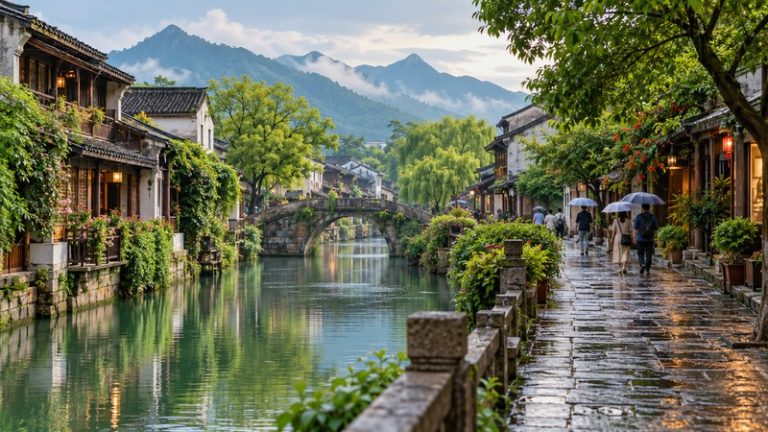
What Season Is May in China? Calendar and Regional Context
May is meteorological spring in China, but local weather ranges from cool northern conditions to…
Read More →A 24 solar terms gardening guide is most useful as an inspection calendar. It connects a traditional seasonal sequence with the measurements and crop records needed for local decisions.
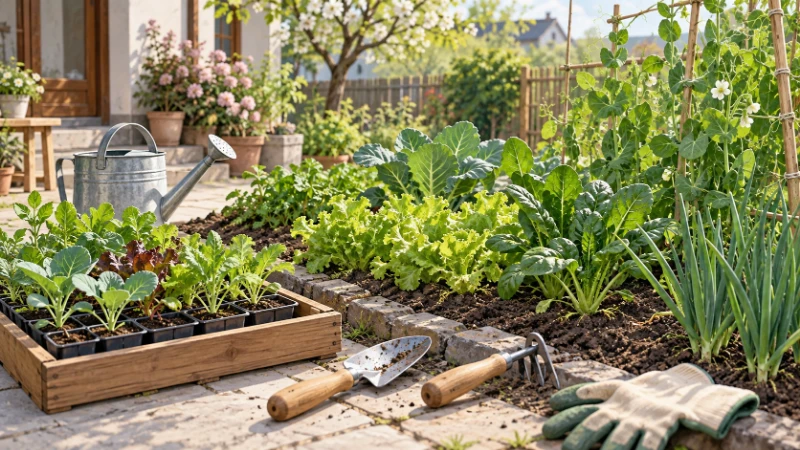
At Grain Rain, compare rainfall and soil moisture with the needs of your seedlings. At Minor Heat and Great Heat, check plant stage, moisture and local heat conditions. These are review prompts, not universal dates for watering or planting.
At White Dew and Cold Dew, record overnight conditions and the maturity of each crop. At Frost Descent, compare local frost risk with crop sensitivity. At Beginning of Winter, review storage and overwintering requirements for the plants actually present.
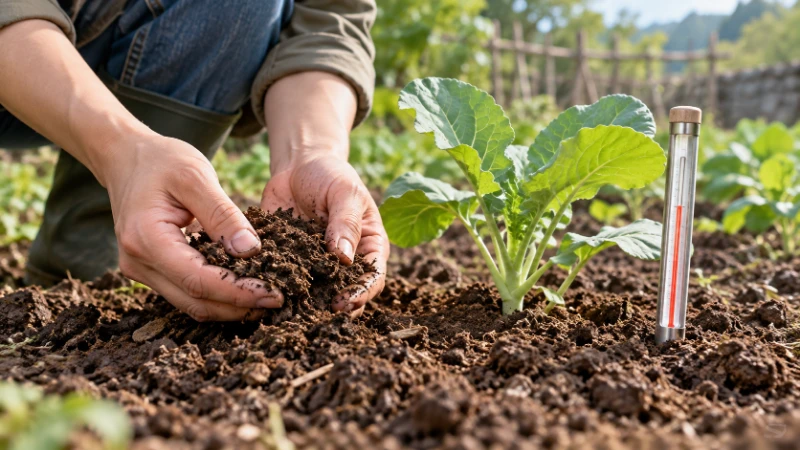
Keep term, year, timezone, location, crop, observation and decision in separate columns. Preserve observations that differ from traditional seasonal expectations. Use local horticultural advice for varieties and planting windows; this cultural calendar cannot replace it.
Hong Kong Observatory: term names and solar longitudes; 2026 Gregorian–lunar conversion table; date and time notes (Hong Kong Time, UTC+8). The calendar sources establish astronomical timing and terminology; they do not verify regional customs.
Record the year, term name, source and timezone. Hong Kong Observatory dates use Hong Kong Time (UTC+8). A date from another timezone can differ near midnight.
No. Crop requirements, soil conditions and local weather must determine the planting decision.
May is meteorological spring in China, but local weather ranges from cool northern conditions to…
Read More →
Understand winter in China by month and region, from snowy northeast cities to mild southern…
Read More →
China has no single monsoon month. Compare South China, the Yangtze Meiyu belt, North China,…
Read More →